

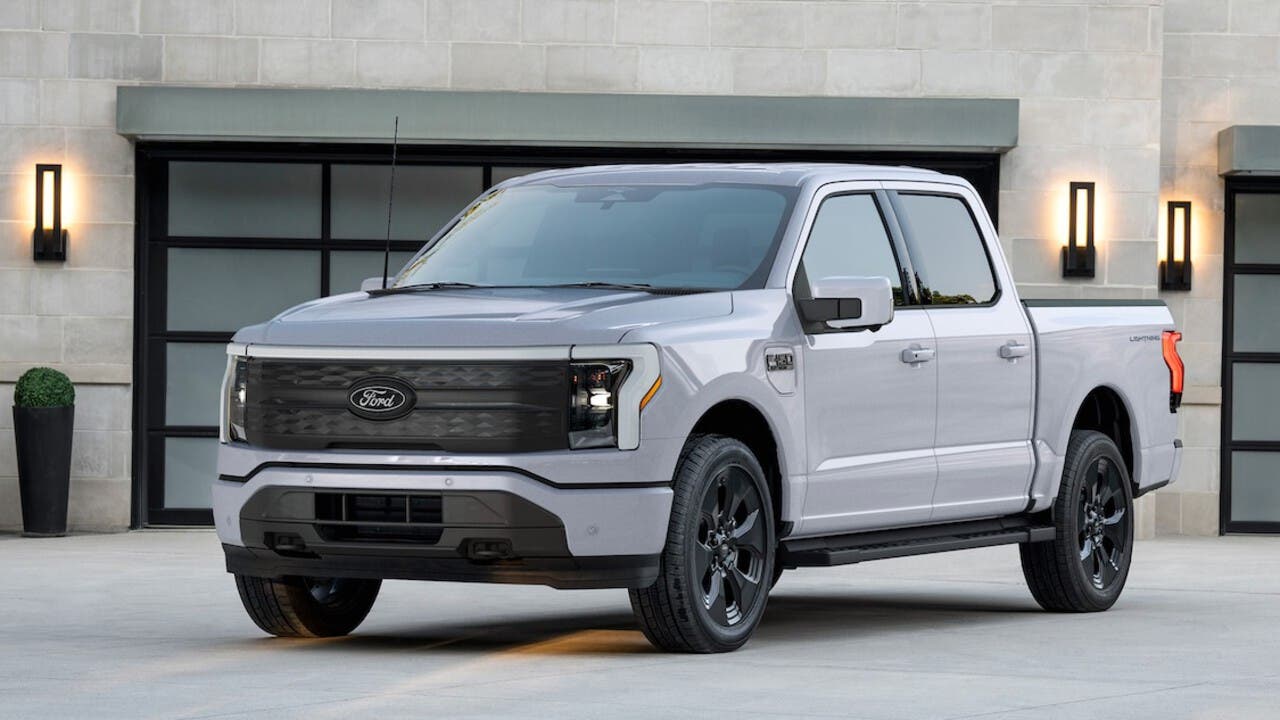
In a sudden “read the room” moment, Ford has officially decided to pull the plug on the F-150 Lightning. After only three years and lackluster sales, the electric pioneer will cease production by the end of 2025. The Blue Oval isn’t giving up on electrification entirely, but it is pivoting toward the EREV. A move that suggests the pure EV pickup might have been a bit too ambitious for its own good.
The timing isn’t accidental. With the Trump administration scrapping the $7,500 federal tax credit, the price floor for electric trucks has effectively fallen through. Ford tried a desperate price cut in October, but the strategy failed spectacularly. Now, the Lightning will be replaced in 2027 by an EREV model, joining Stellantis and Ram in the retreat toward internal combustion “safety nets”. In fact, Ram has already canceled its 1500 REV project in favor of the hybrid Ramcharger, slated for 2026.
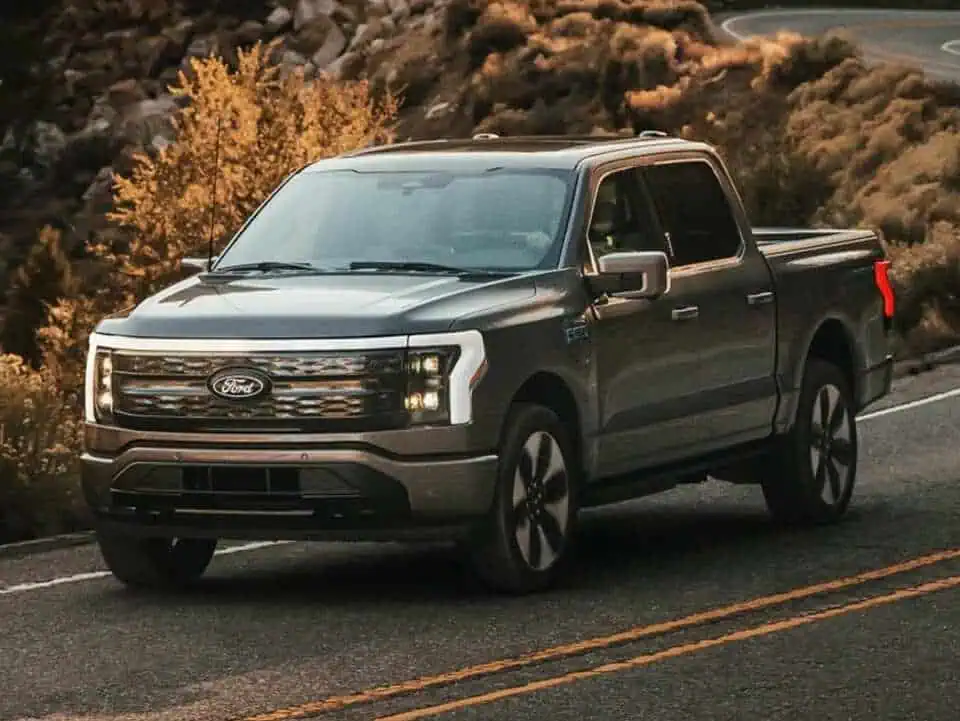
While General Motors is technically “holding the line” with the Chevrolet Silverado EV and GMC Sierra EV, the numbers tell a bittersweet story. Though sales grew to about 9,400 units for the Silverado by Q3 2025, demand for the high-end Hummer EV and Rivian R1T remains sluggish.
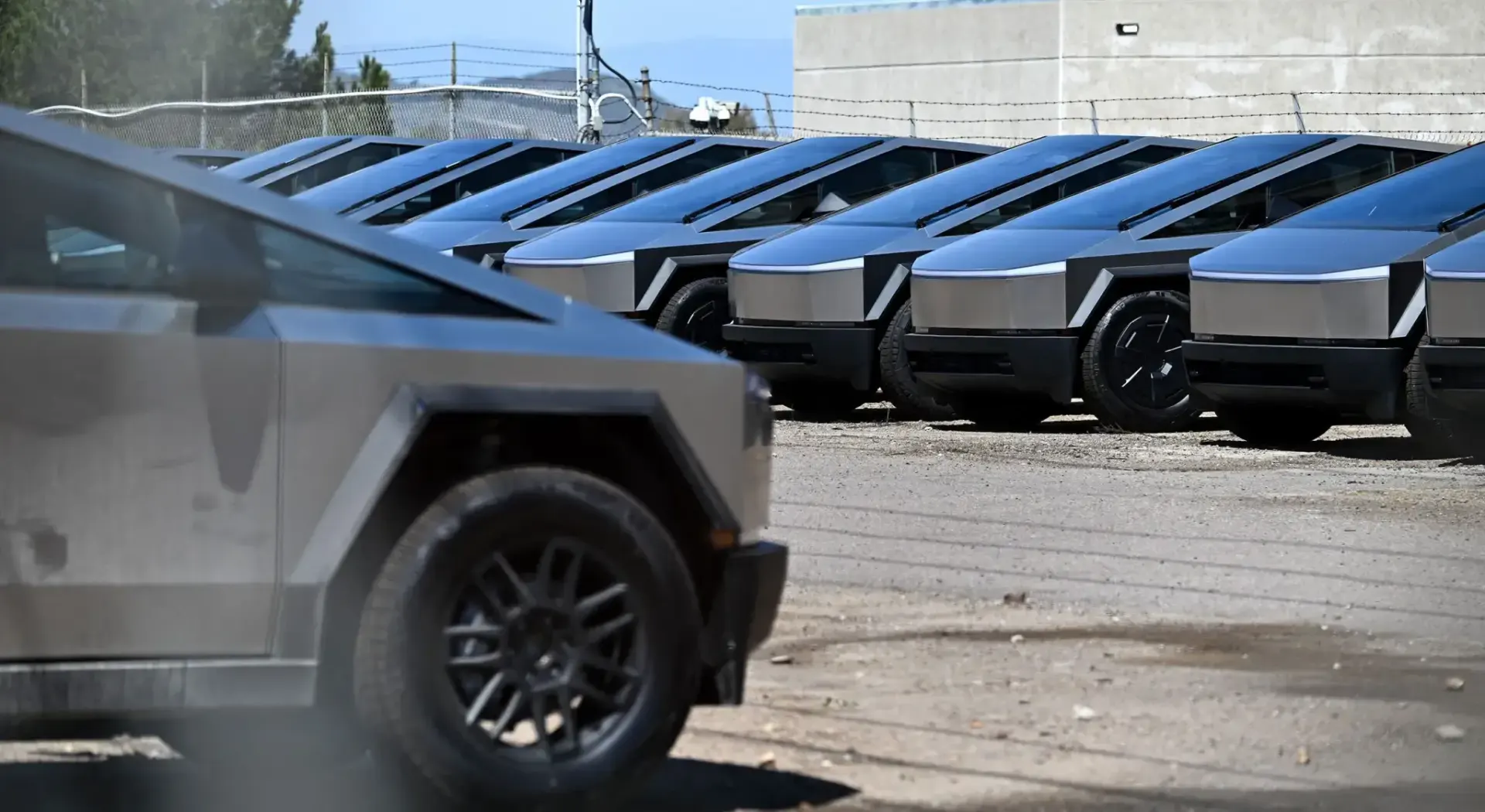
Then there is the Tesla Cybertruck. The “monolith on wheels” that once commanded a ridiculous $290,000 resale price at a Porsche dealership is now piling up on lots. Elon Musk’s stainless-steel ego is currently missing its 250,000-unit annual goal by a landslide, with sales dropping below 20,000 per year.
While Ford and Ram are following the market current to avoid drowning, Musk seems determined to prove his “fridge on wheels” can survive a market that no longer offers life jackets for zero-emission trucks. The era of the silent pickup has arguably ended before it truly began, proving that without subsidies and a robust charging grid, the roar of an engine is still king.