One of the earliest serious attempts at a modern electric city car didn’t come from a Silicon Valley startup with a charismatic billionaire at the helm. It came from Ford. The same company that put the world on gasoline, pioneered mass production, and spent the better part of a century making sure the internal combustion engine had nowhere to go but forward.
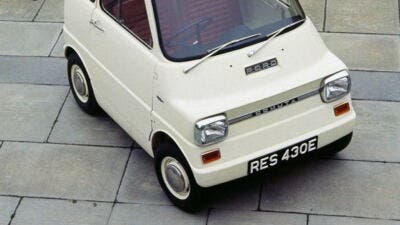
Meet the Ford Comuta. Unveiled at the 1967 Geneva Motor Show and developed by Ford’s British division, it was a direct response to a problem that sounds almost contemporary: urban air pollution.
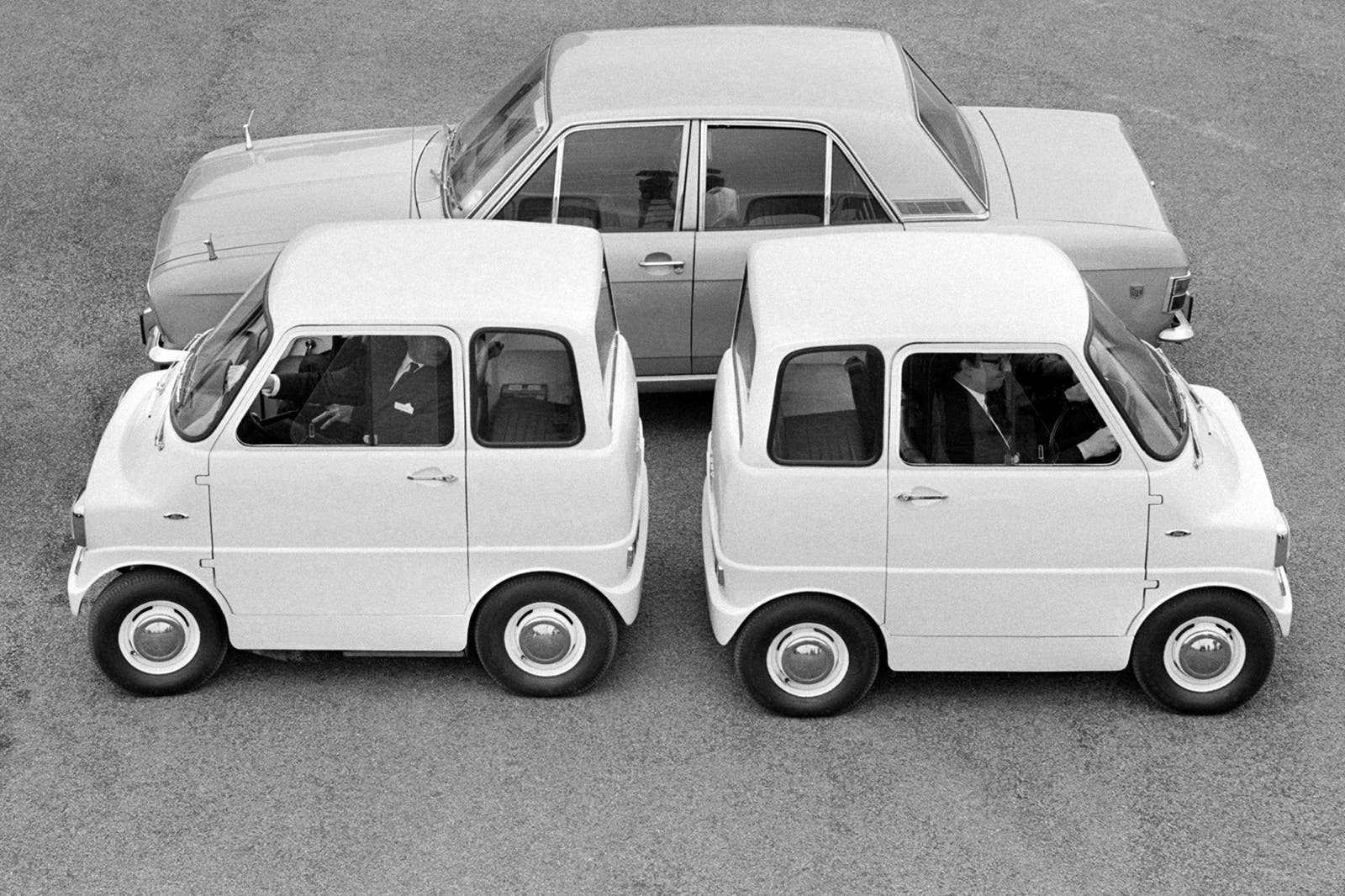
The Comuta was small, boxy, and unapologetically pragmatic. Four passengers, two doors, a lead-acid battery pack, a top speed of around 40 mph, and a range of roughly 40 miles. Not exactly a drag strip weapon, but in the context of late-1960s mobility thinking, it was genuinely forward-looking. Only two prototypes were ever built, which makes it one of the rarest experimental vehicles Ford ever produced.
But the Comuta’s story doesn’t begin in Geneva. Electric vehicles have been haunting the edges of automotive history since the late 19th century, long before anyone thought to put a touchscreen where the dashboard used to be. William Morrison built one of the first practical battery-powered cars in the United States back in 1890. Companies like Baker Motor Vehicle and Detroit Electric were selling EVs to urban drivers who appreciated the silence and the simplicity.
And that’s precisely the point. Cheap oil, Ford’s own assembly-line revolution, and steadily improving combustion engines didn’t just win the market. They erased the memory of what came before. The electric car wasn’t killed by indifference. It was buried under affordability and horsepower. Two things the 20th century turned out to be very good at producing.
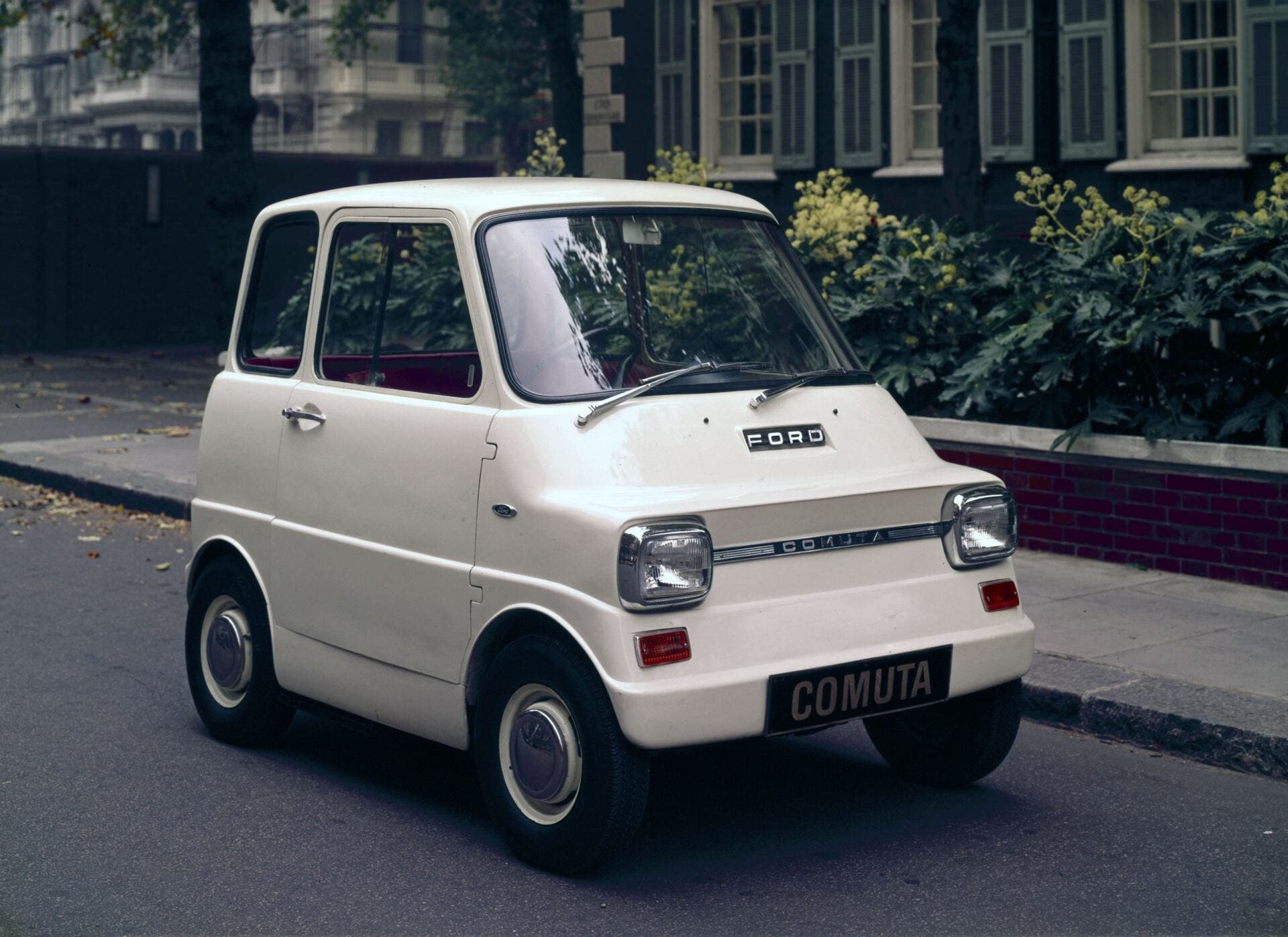
The Ford Comuta, then, is less a curiosity and more a mirror. It reflects a pattern the auto industry keeps repeating: electrification gets attempted, abandoned, and rediscovered. Each time as though it were a brand-new idea. The current EV revolution isn’t a beginning. It’s at least the third act of a play that’s been running for over a hundred years.