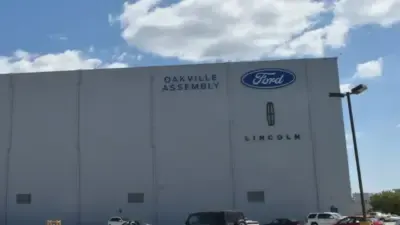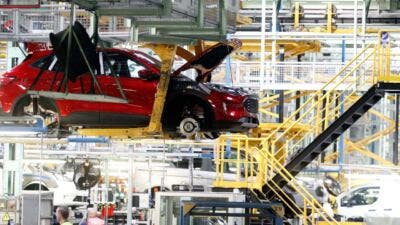
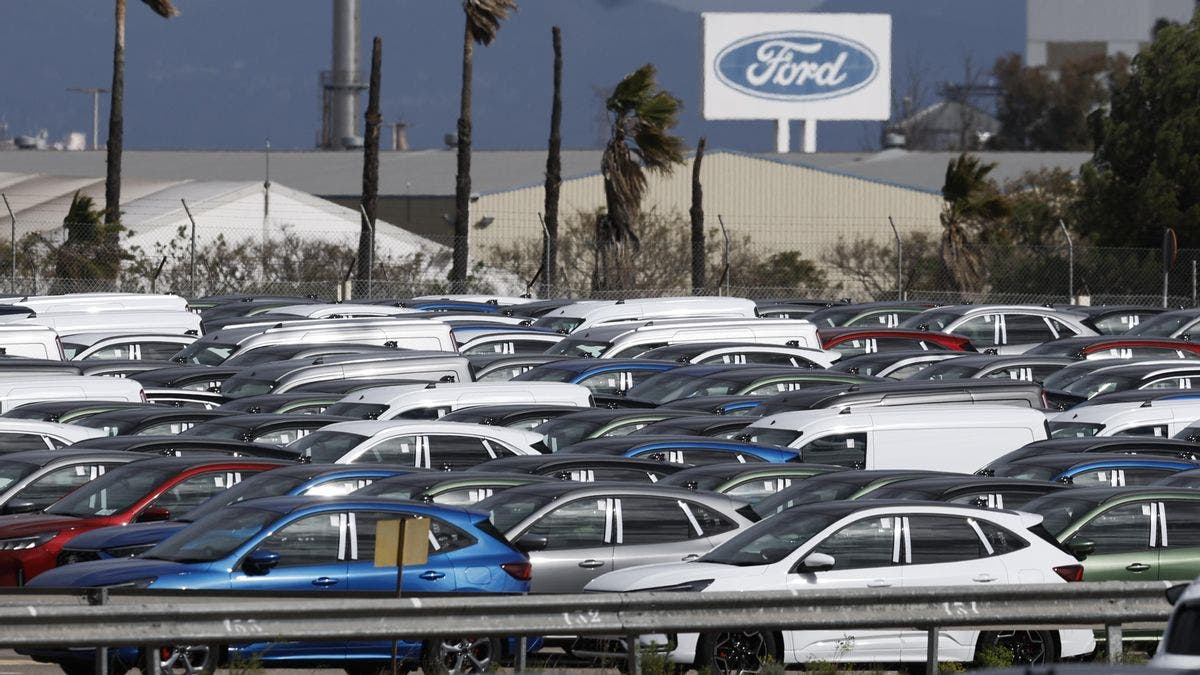
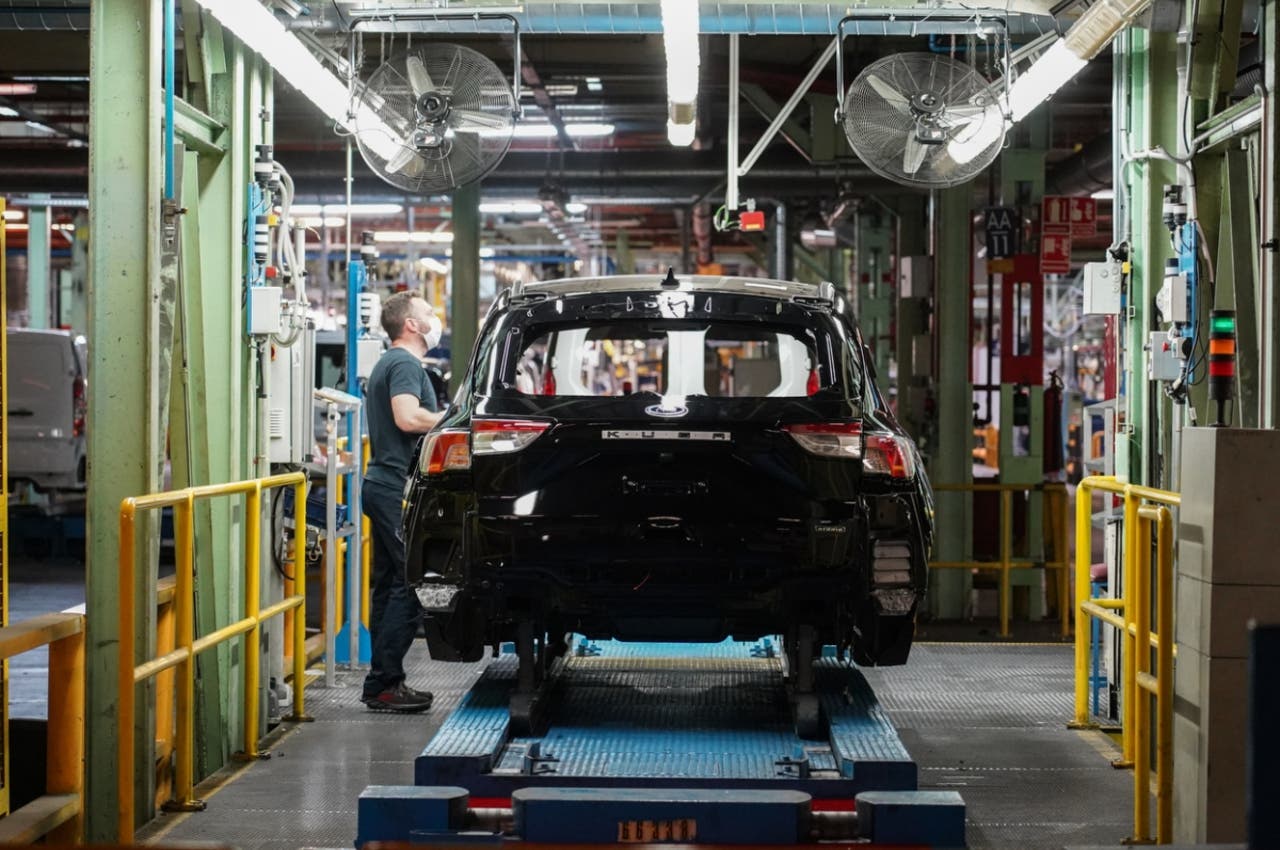
Running an auto assembly plant at twenty-five percent of its capacity is an expensive way to host empty air. That has been the grim reality for Ford’s Almussafes facility in Valencia, Spain. Designed to churn out 450,000 vehicles annually, the factory has been idling along while assembling the Kuga crossover, bleeding cash in the process. Geely, the Chinese automotive powerhouse, and the Blue Oval have made their romance official, striking a manufacturing joint venture aimed at turning Valencia’s expensive silence into profitable noise.
Under the new arrangement, operations kick off in early 2027, with the first fresh metal rolling off assembly lines in 2028. Ford’s side of the garage includes a downsized, Euro-friendly Bronco compact and a multi-energy crossover co-engineered with Geely. It forms the spearhead of Ford’s hasty push to roll out five new multi-energy models in Europe by 2029.
Meanwhile, Geely gets to build two of its own electric SUVs right on European soil. For the Chinese company, it is a textbook backdoor entry into the Old Continent, bypassing hefty EU tariffs by inheriting a fully equipped facility complete with a trained workforce.
The corporate PR machine predictably cranked out its finest poetry for the occasion. Jim Baumbick, Ford’s European chief, waxed nostalgic about Valencia’s nearly fifty-year history, while Geely’s Alex Nan dutifully recited the industry mantra of building cars “in Europe, for Europe”. Beyond the sentimental fluff and boardroom handshakes lies cold, hard math: splitting fixed overhead, optimizing shifts, and spreading capital expenditures across shared volumes is the only way either brand can survive this landscape.
The deal also reveals clever geopolitical maneuvering by Spanish Prime Minister Pedro Sánchez. Unlike Germany, France, or Italy, Spain lacks a national automotive champion to protect, since SEAT and Cupra sit safely under the Volkswagen Group umbrella. Madrid could thus play the strategically neutral card, enticing Chinese investment with relatively low energy costs and an established supplier network.
Local authorities are already boasting about thousands of new jobs, even if the initial rollout will heavily rely on Chinese technicians and hardware. For the workers in Almussafes, corporate buzzwords matter far less than keeping the lights on and the assembly lines humming at full capacity by 2028.