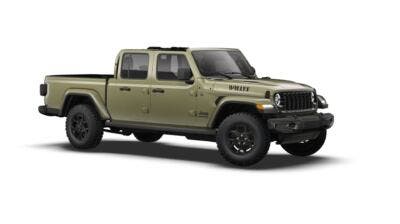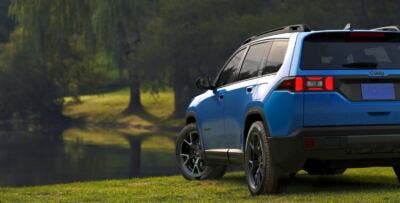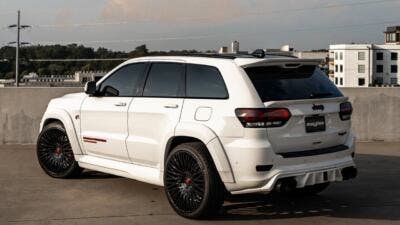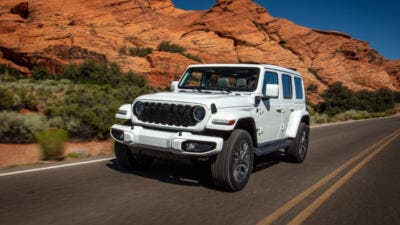
On April 24, a new class-action lawsuit was filed in the U.S. District Court in Detroit, listing 16 plaintiffs who are tired of their Jeep Wrangler 4xe and Jeep Grand Cherokee 4xe models acting more like expensive Roman candles than rugged off-roaders. The accusation is a classic corporate thriller: Stellantis allegedly knew these high-voltage heartbeats were defective, downplayed the danger, and dragged its feet on recalls until the legal heat became too much to ignore.
At the center of this electrical meltdown are the 96-cell lithium-ion batteries manufactured by Samsung. According to the filing, these units suffer from damaged separators, the microscopic membranes that keep the battery from throwing a violent, fiery tantrum. When that thin layer fails, you don’t just lose range; you risk a total thermal runaway.
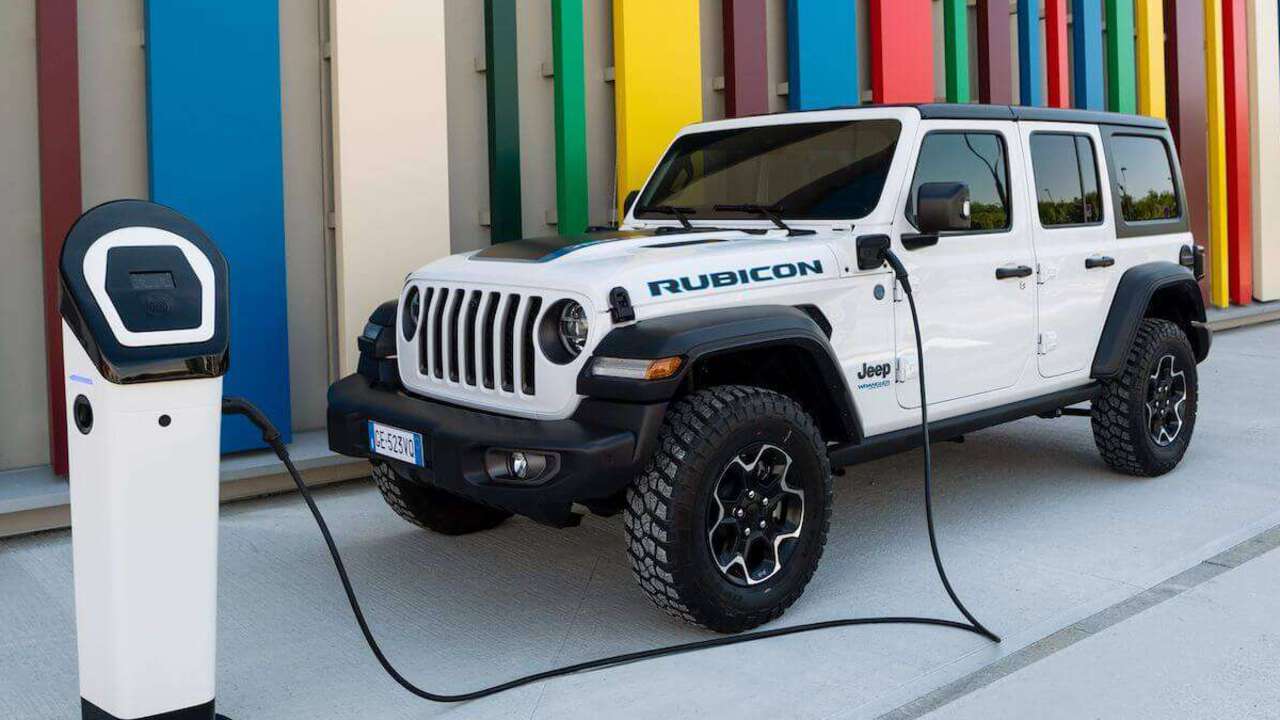
We aren’t talking about a minor glitch. These Jeep PHEVs have been recalled at least three times for everything from power loss to sand-contaminated engines and, of course, the ever-popular “unexplained combustion”.
In November 2025, after over 320,000 vehicles were already under the microscope, Stellantis spokesperson Frank Matyok claimed their understanding of the issue had “evolved.” Apparently, that evolution has now reached the stage of total silence, as the group refuses to comment on the latest litigation. The lawsuit suggests Stellantis was either unable or simply unwilling to fix the mess, leading to the abrupt execution of the entire PHEV line at the end of 2025.
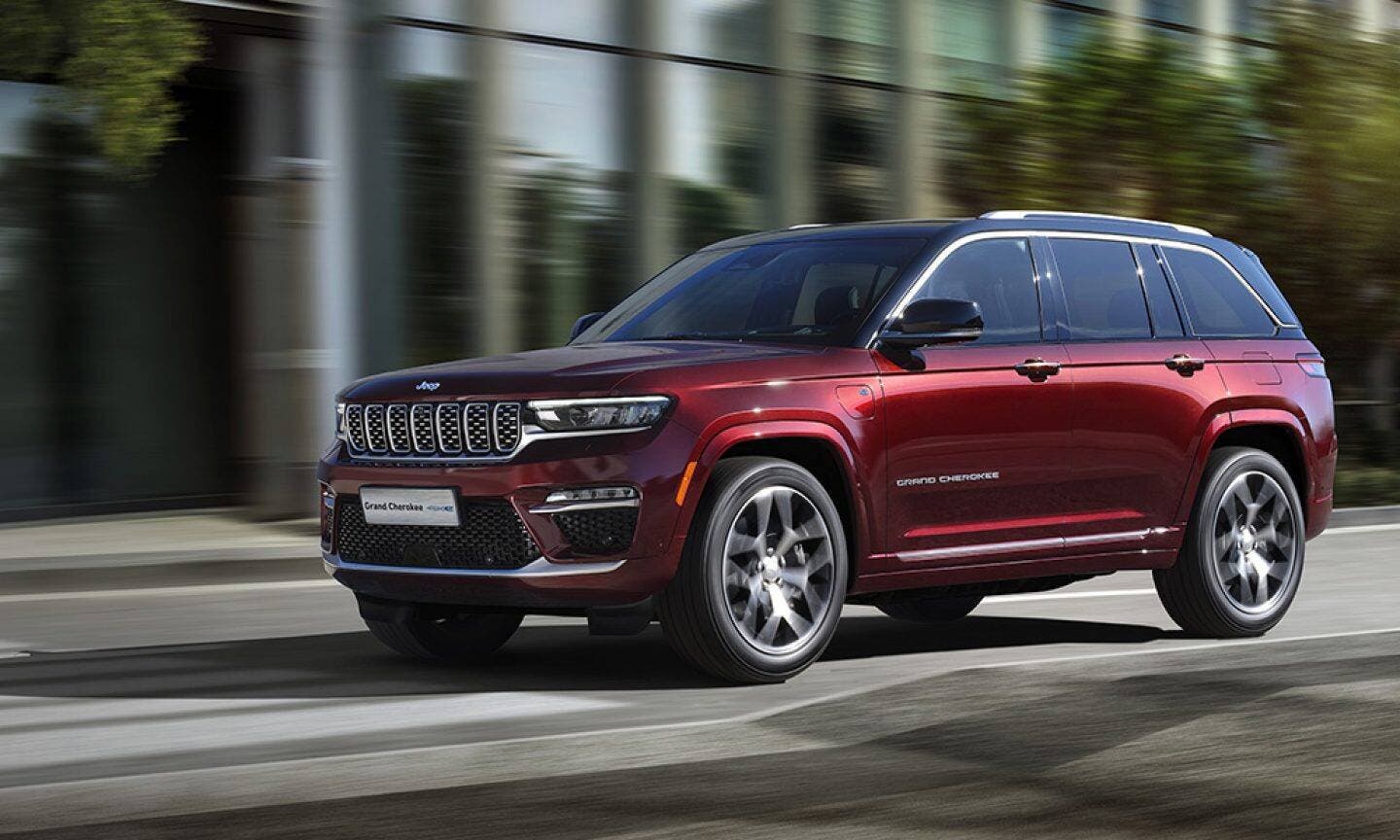
In early 2025, Jeep’s 4xe duo dominated the American plug-in market. But between a reputation charred by constant recalls and an administrative shift in D.C. that suddenly made “going green” feel less like a mandate and more like a suggestion, Stellantis waved the white flag. Instead of perfecting the plug, they’ve pivoted back to traditional internal combustion and standard hybrids. It’s a retreat that leaves thousands of owners with problematic hardware and a manufacturer that seems to have misplaced its voice.