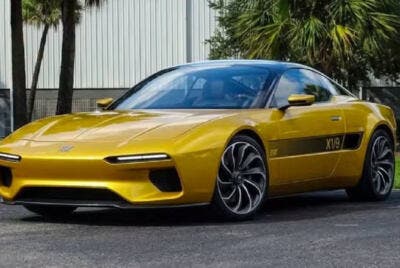
Fiat hasn’t built a proper sports car in decades. It’s not because executive management simply forgot where they left the blueprints. It’s a deliberate corporate choice, one that stings every single time automotive purists look back at the X1/9.
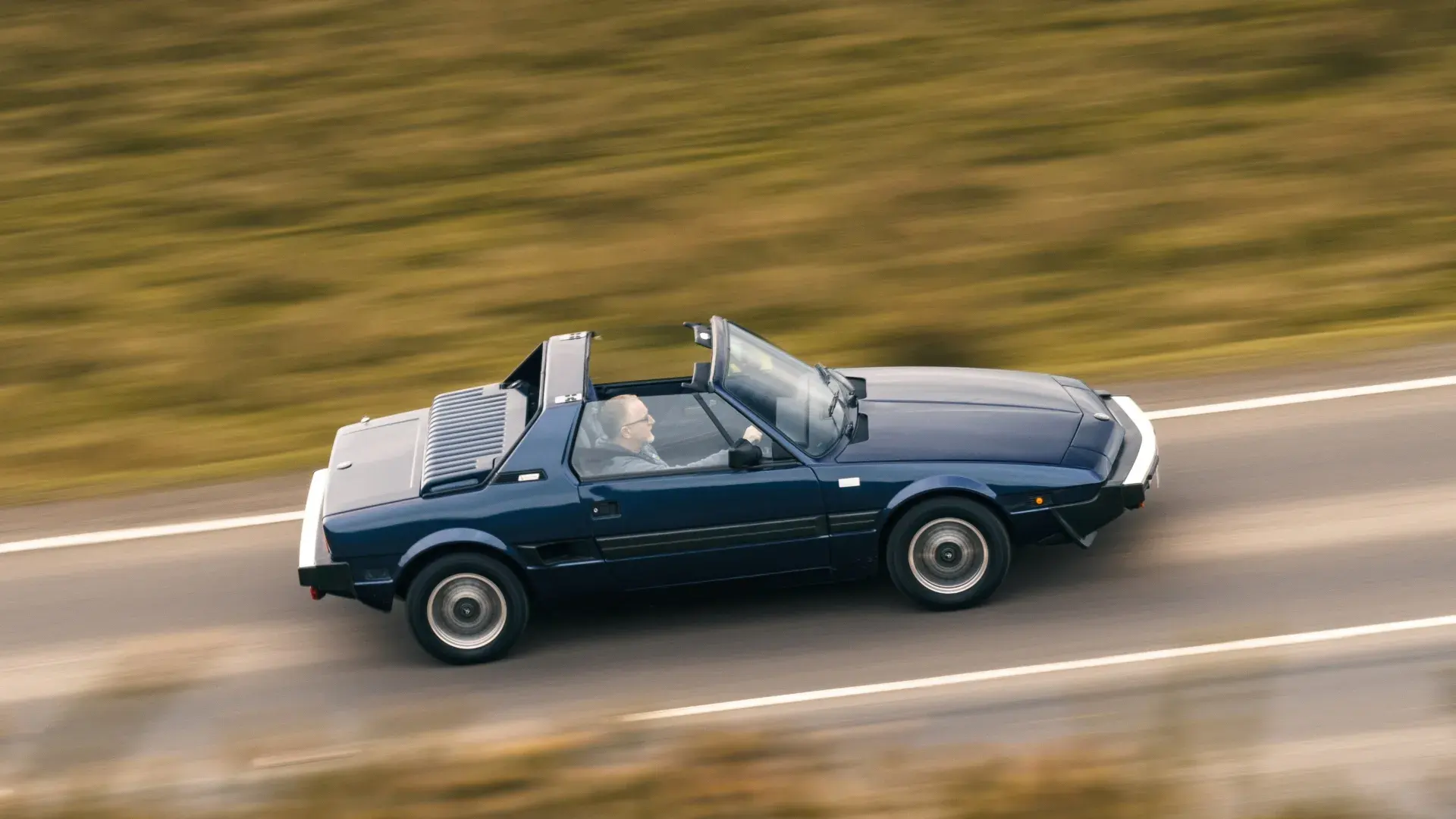
Born in 1972 from the brilliant mind of Bertone, that wedge-shaped two-seater proved you didn’t need three turbochargers or 600 HP to have the time of your life. It was light, mid-engined, rear-wheel-drive, and featured a removable targa top that let you hear every squeal from the tires. It became an unexpected smash hit, especially in the US, surviving well into the late eighties under the Bertone badge.
Since Stellantis seems far more interested in greenlighting practical commuter boxes than thrilling enthusiast cars, digital artist Bruno Callegarin decided to take matters into his own hands. Utilizing AI tools, Callegarin recently unleashed a series of renders depicting a modern-day Fiat X1/9. There is zero official connection to Turin, and no board member is preparing a production line.
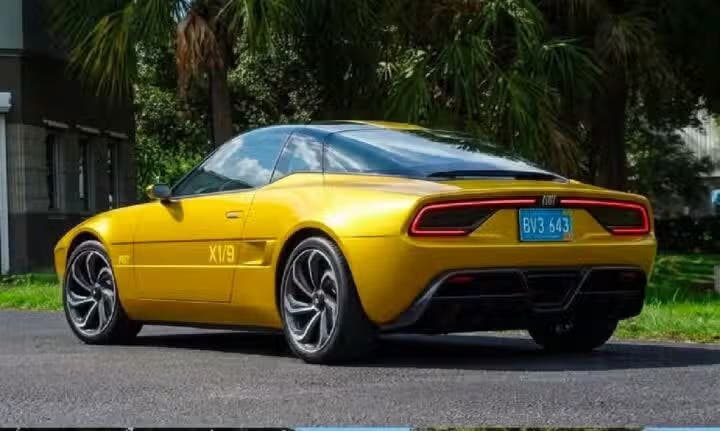
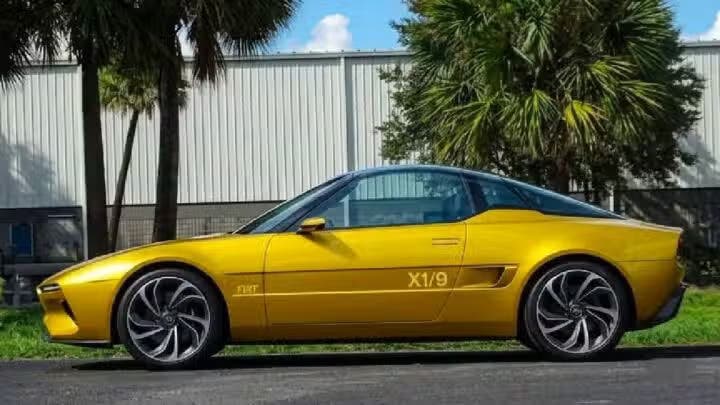
Painted in a screaming bright yellow, this virtual machine sits impossibly low to the pavement. Up front, a squashed hood meets sleek horizontal headlights and sharp vertical air intakes. The side profile steals the show with taut surfaces, a dark contrasting roof, and a retro black side stripe boasting Fiat and X1/9 badging. Around back, a massive rear diffuser and a continuous LED light bar frame a short tail that blatantly hints at a mid-mounted powertrain.
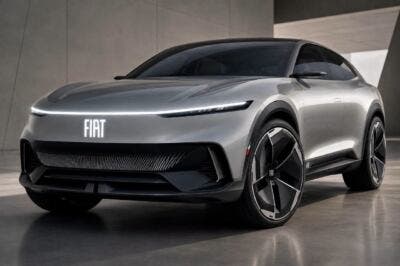
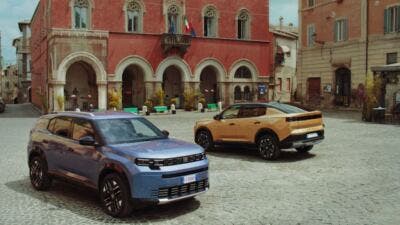
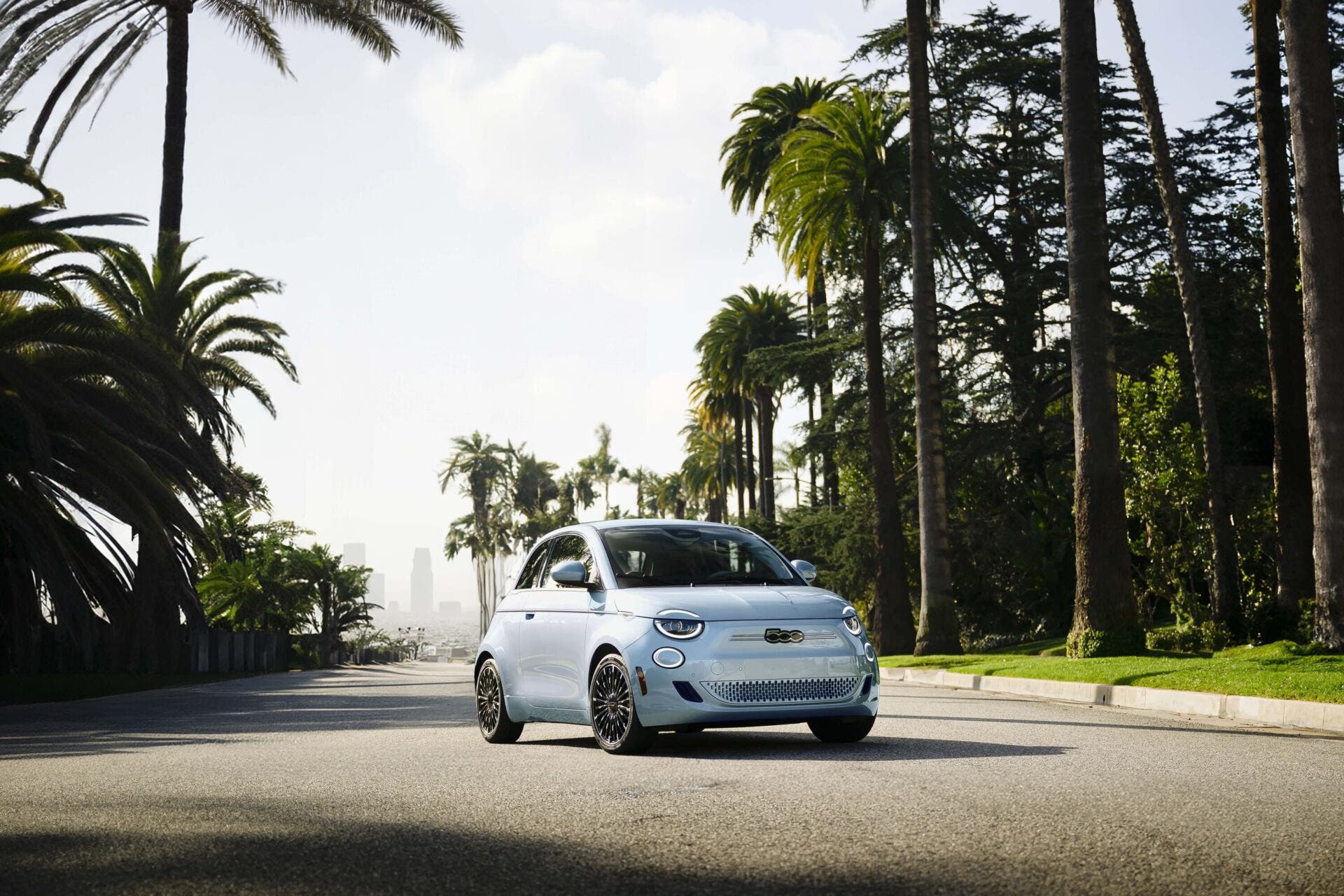
It looks fast, focused, and utterly alien to Fiat’s current reality. While enthusiasts dream of lightweight corner-carvers, today’s Fiat is hyper-focused on churning out practical volume-sellers. Instead of sports cars, we get the Pandina, the Grande Panda, the electric 500, and the upcoming Grizzly and Grizzly Fastback family haulers destined to flood suburban carpools in gas, hybrid, and electric flavors.
In a lineup designed strictly for spreadsheets rather than soul, a low-slung X1/9 reboot would sit completely on the margins. But that is precisely the point. Halo cars aren’t built to dominate sales charts; they exist to remind a cynical market that a brand once possessed a heart, a personality, and a passion for driving that goes way beyond sensible B-segment.