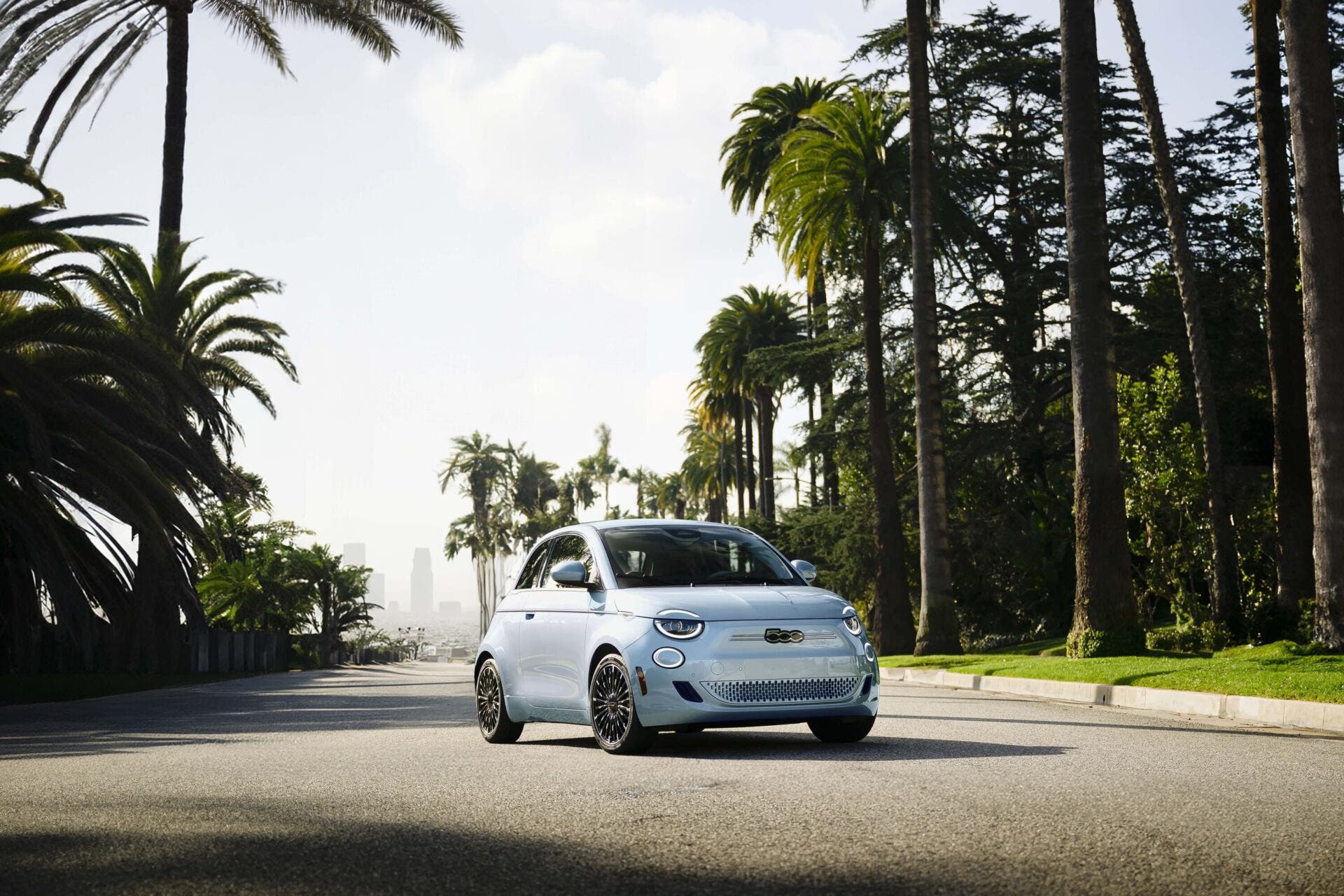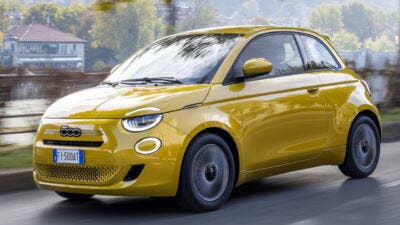
Fiat CEO Olivier François has a radical idea to save the city car from extinction, and it involves hitting the brakes. But literally. In a dose of old-school move, François has suggested he would “gladly” limit the top speed of his urban models to 73 mph. Why? Because he’s tired of stuffing models like the Fiat 500, the Panda, and the new Grande Panda with expensive, high-tech safety systems that are essentially useless in a traffic jam.
According to François, the current ADAS (Advanced Driver Assistance Systems) mandated by EU regulations are designed for high-speed highway scenarios, making them “a bit crazy” for vehicles meant for the daily commute. This hardware arms race, filled with sensors, cameras, and signal recognition, has caused the average price of a city car to skyrocket by 60% over the last six years.
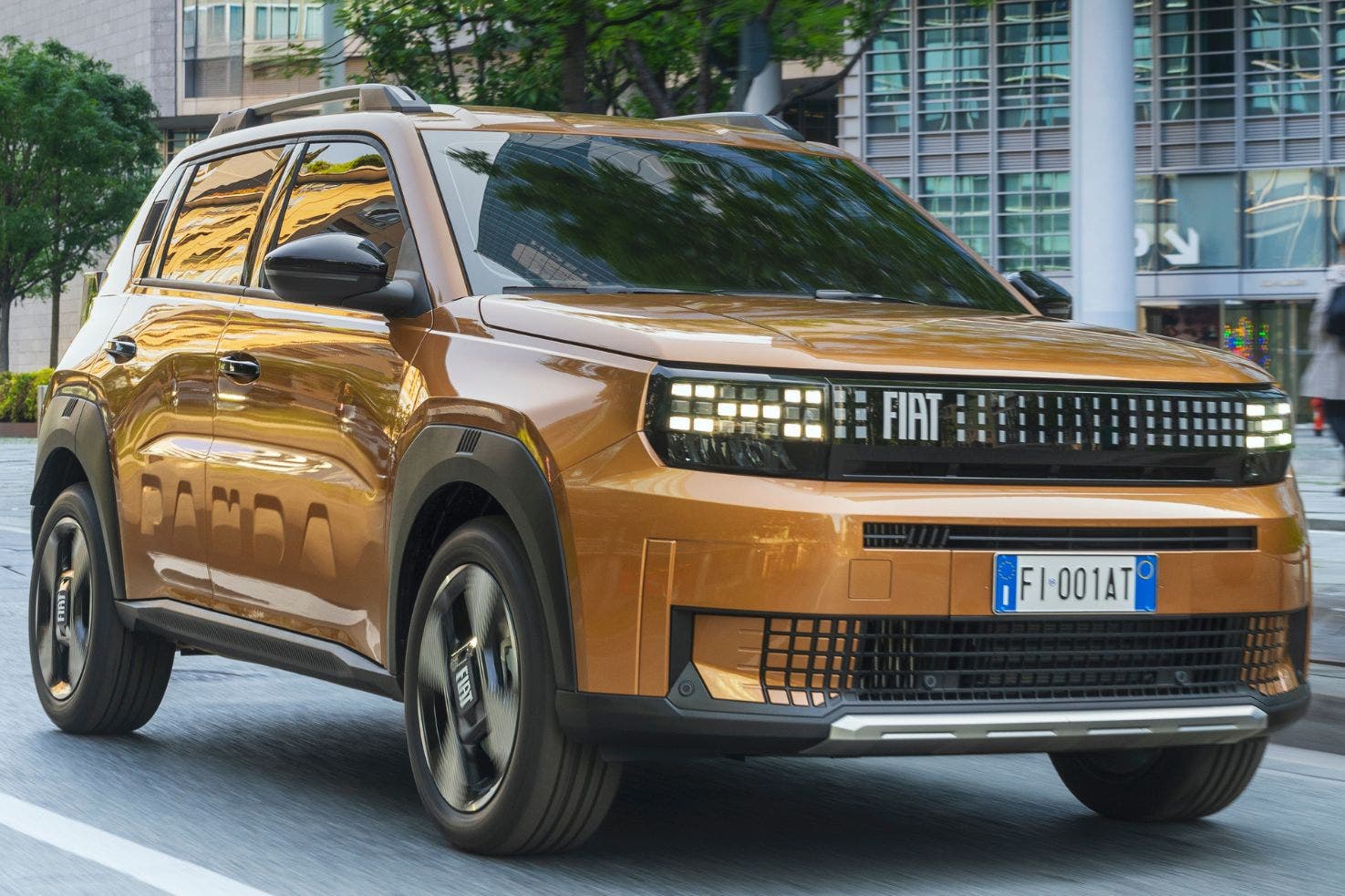
François dryly noted that he doesn’t believe city cars from 2018 were “extremely dangerous,” yet manufacturers are now forced to inflate price tags to include systems that offer zero real benefit to the “democratic” young consumer.
The logic is almost poetic. If the average legal speed limit in Europe is 118 km/h (73 mph), why build cars that go faster, only to be legally required to install safety tech calibrated for those illegal speeds? It wouldn’t even be a massive sacrifice. The Fiat Grande Panda EV is already capped at 82 mph, and none of these urban icons are exactly breaking land speed records.

By embracing the proposed M1E category in the EU, François hopes to convince Brussels that universal safety standards are becoming unsustainable for Segment A. The goal is to defend the car as an accessible commodity, preventing the beloved Panda from becoming a gold-plated cluster of microchips capable of speeds no one should be reaching anyway. It turns out that to keep cars affordable, we might just have to accept that getting there eventually is better than not being able to afford the ride at all.