

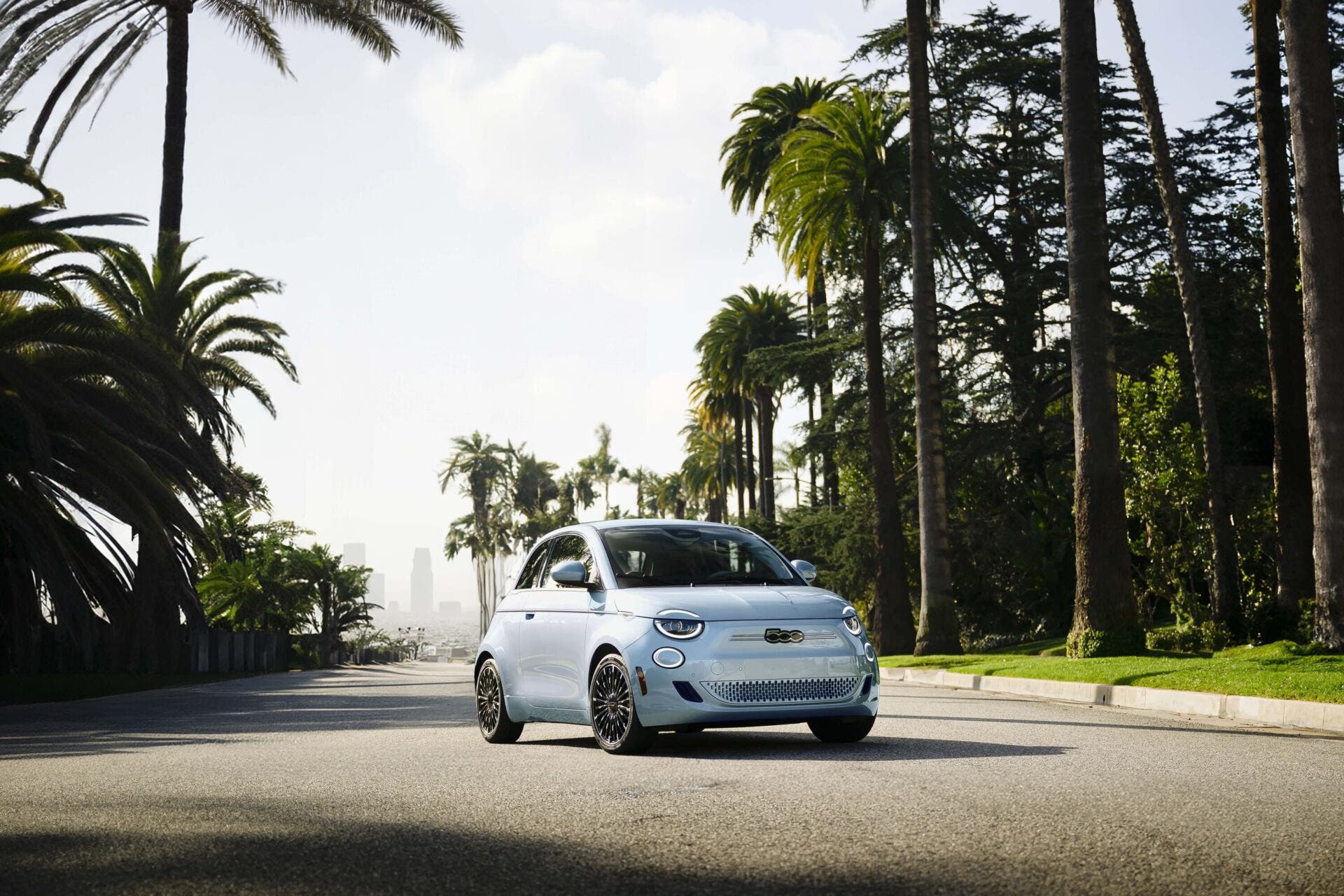
For a certain period, Fiat’s return to North America had a fairly clear industrial and commercial logic. The Italian brand did not rely only on nostalgia, but tried to bring the United States and Canada something different from the local landscape, something more compact, more European, and lighter in the way it interpreted everyday mobility.
Fiat risks becoming increasingly marginal in North America with just one model
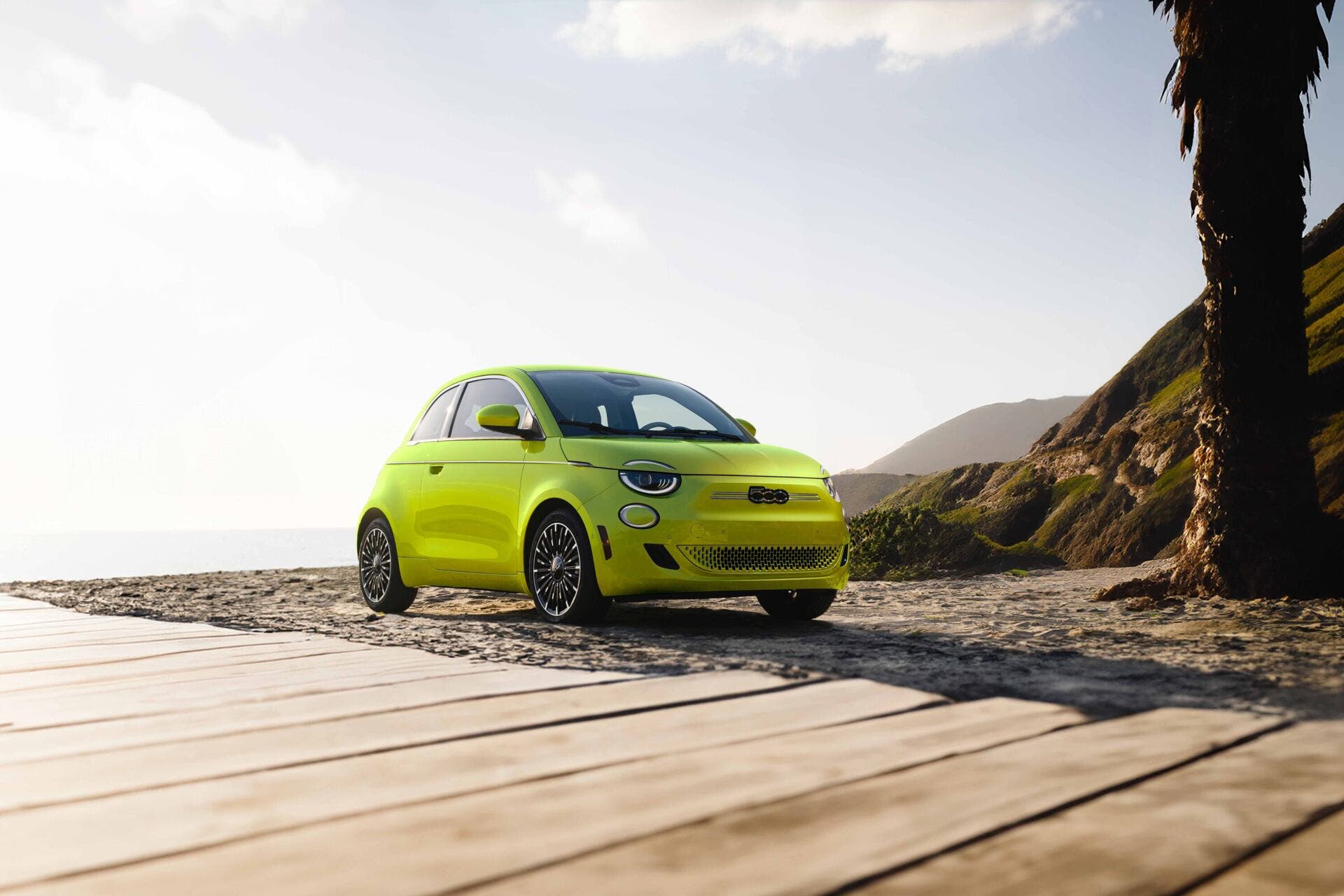
After the creation of Fiat Chrysler, the lineup took shape around models with clearly distinct personalities such as the 500, 500 Abarth, 500L, 500X, and 124 Spider. These cars did not try to appeal to everyone, but in a market dominated by vehicles that often looked very similar to one another, they at least managed to stand apart.
Today, however, the situation looks very different. In 2025, Fiat’s presence in North America essentially revolves around a single model, the 500e, an electric city car that fits Fiat’s design identity and offers a modern concept but stands too isolated to carry the weight and visibility of an entire brand on its own.
The issue does not really concern the car’s inherent quality. The problem is that a single model, especially one with such a specific positioning, can hardly keep a brand truly relevant in a vast and complex market like North America. In that region, dealer network strength, lineup continuity, and a constant showroom presence all play a decisive role in the survival of any automaker.
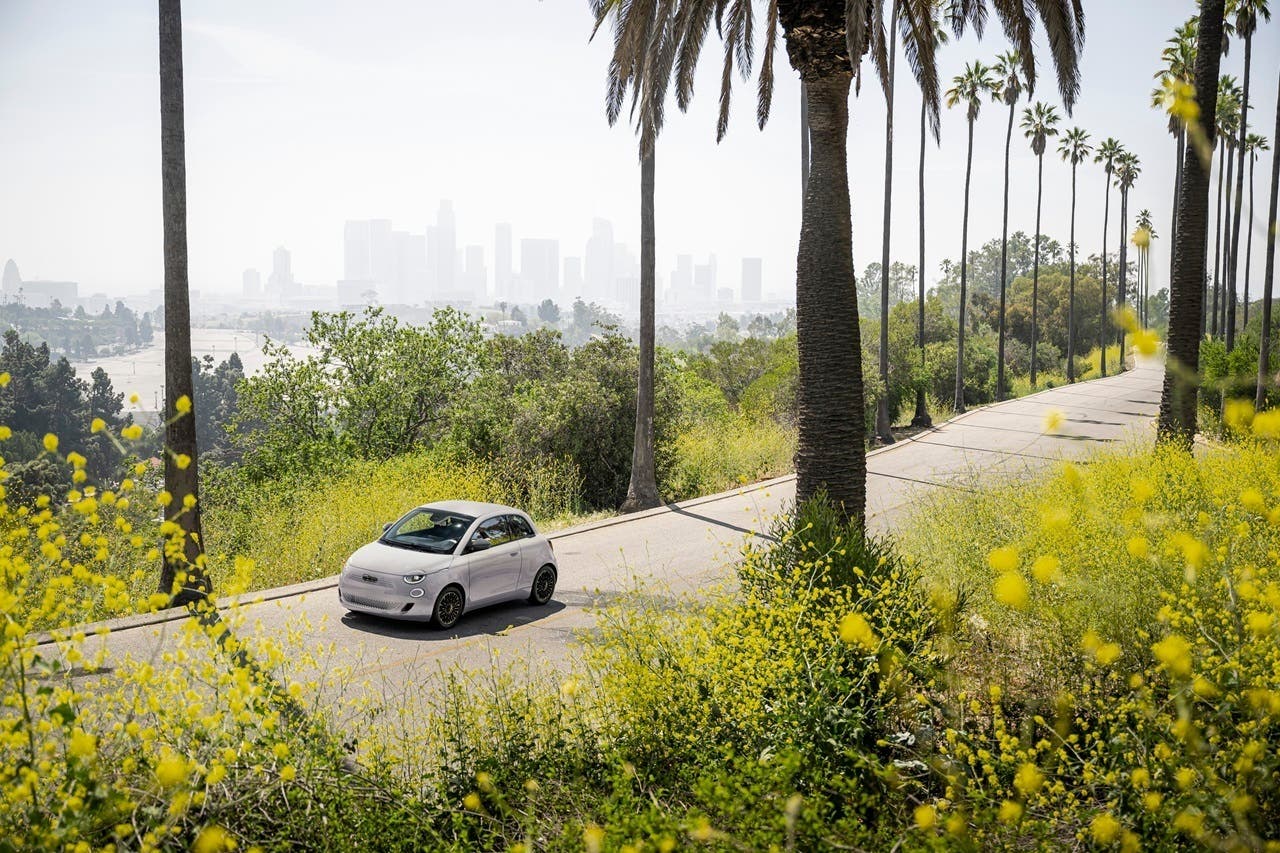
The 500e works in an urban environment defined by short trips and tight parking spaces, but the American and Canadian markets still think in terms of space, versatility, and long range. Against those priorities, a fully electric city car that also carries a relatively high price faces structural limits for a large part of the potential audience. Sales figures confirm that difficulty. Even with some signs of recovery linked to the arrival of the new generation, volumes remain modest and too small to change the overall perception of the brand.
The broader moment in the North American EV market also makes the picture even more complicated. Demand for electric vehicles is growing more slowly than many had expected, and many buyers now show greater interest in hybrid solutions, which they see as more accessible and better suited to a wider range of uses. Fiat, by contrast, arrives with a single niche proposal and without the broader lineup that models such as the 600 or Grande Panda, especially in hybrid or combustion versions, could help build.
Without a wider product range better aligned with local needs, Fiat risks remaining known and appreciated for its design identity while slipping into an ever more marginal corner of the North American market, one too small to justify an independent distribution network and commercial strategy over the long term.