

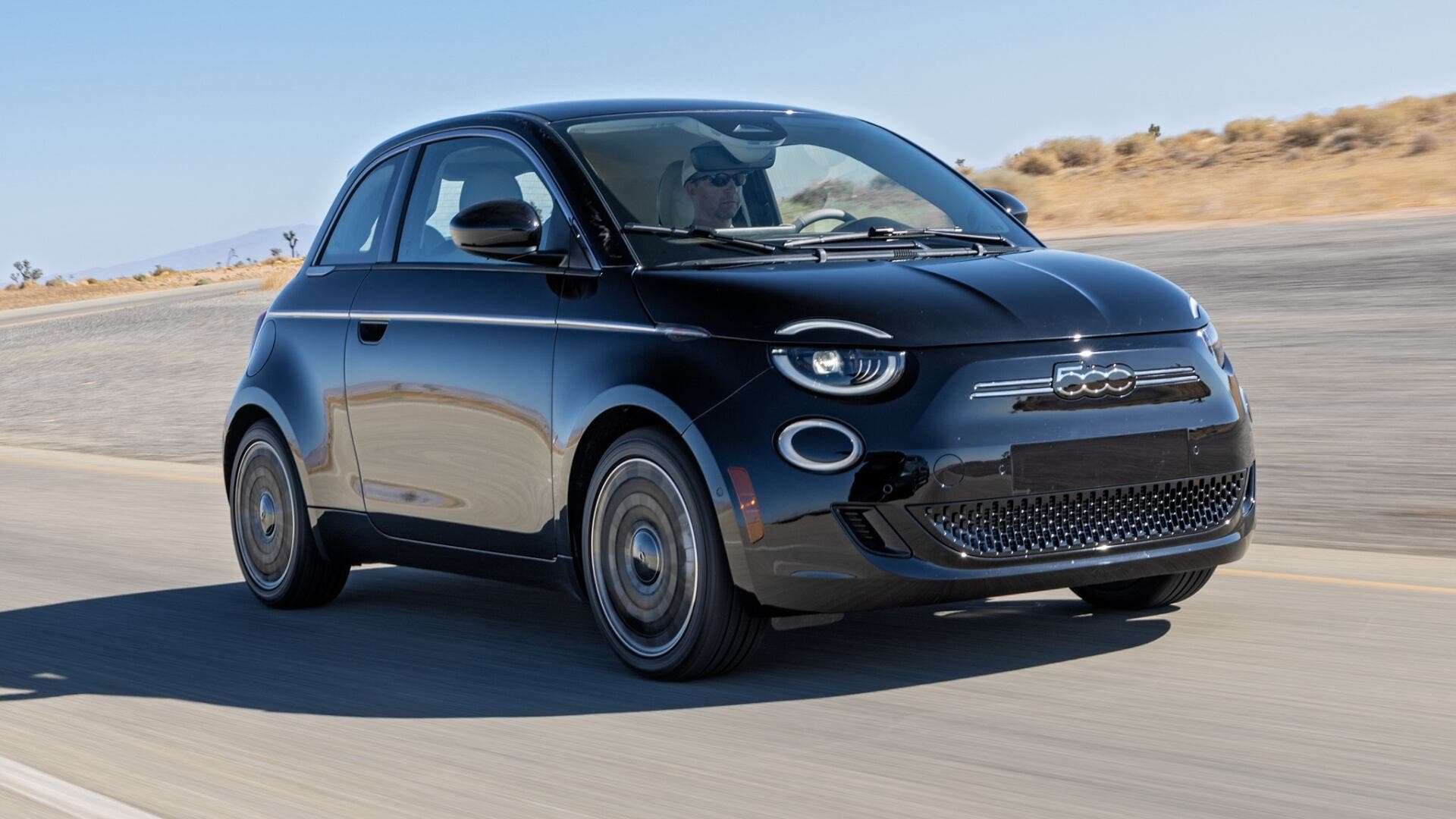
Thirteen cars sold in a single month explain Fiat’s situation in Australia better than any corporate statement. In June 2026, the brand registered fewer vehicles than Ferrari, which reached 16 units, and Lamborghini, which delivered 18. Since the beginning of the year, Fiat has sold just 144 vehicles, down 30% from the same period last year.
Faced with these results, Stellantis has decided to stop sending additional examples of the Fiat 500e and Abarth 500e, the last two passenger cars remaining in its Australian lineup. Dealer inventories are running out, and once those stocks disappear, the brand’s local presence could focus almost entirely on the Scudo and Ducato commercial vehicles.
Fiat suspends 500e and Abarth 500e in Australia after sales collapse
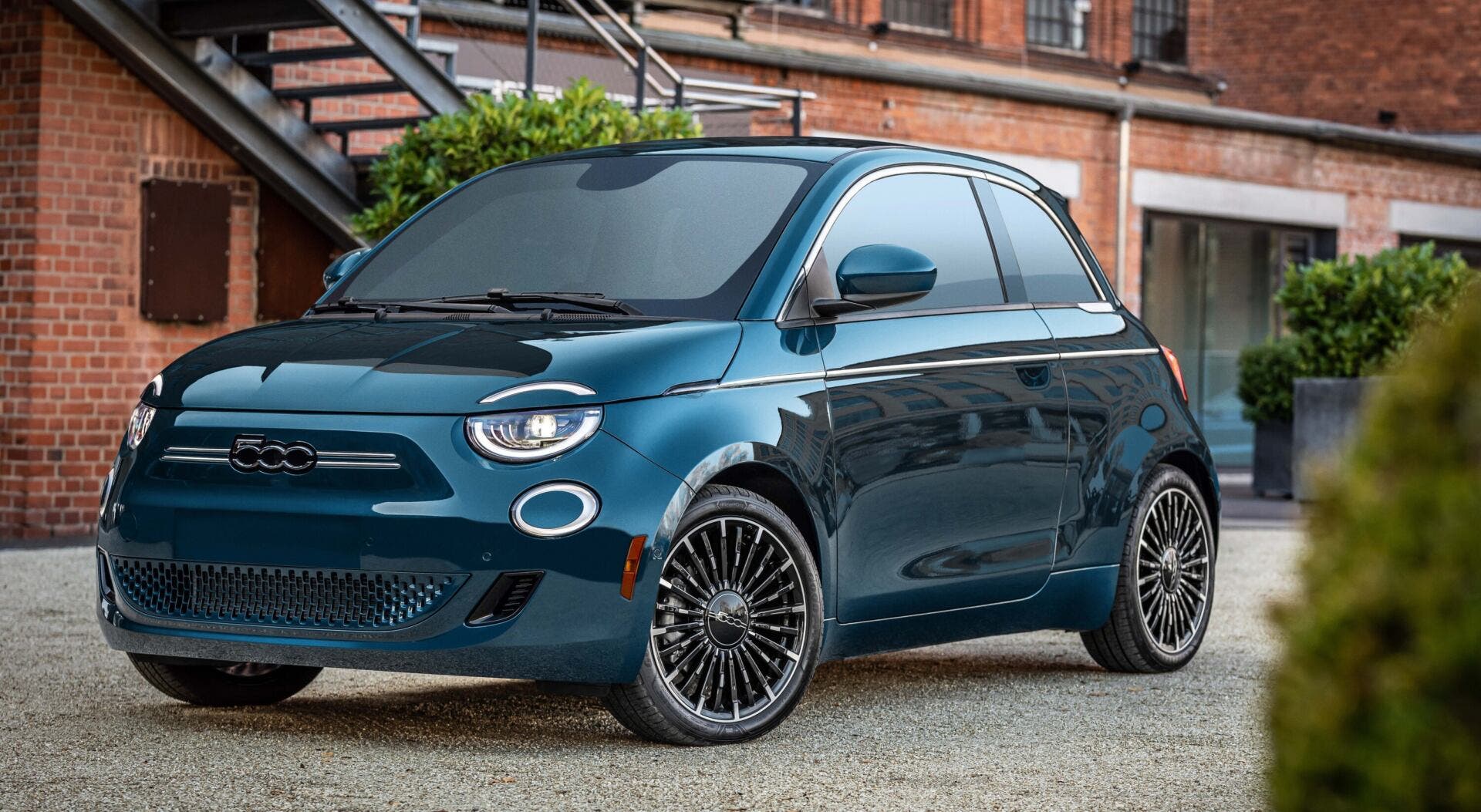
The electric Fiat 500 failed to turn its iconic image into sufficient sales volume. At launch, it cost A$52,500, while the Abarth version started at A$58,990. At those prices, Australian buyers can choose larger vehicles, more versatile SUVs, and numerous Chinese EVs that offer greater range, more space, and higher equipment levels.
Fiat tried to correct its positioning through aggressive promotions. Some offers cut the price by more than A$20,000, but even a discount of that size failed to generate a lasting recovery. Meanwhile, the passenger-car dealer network had shrunk to just five locations, which Australian media reports say had not received new vehicle allocations for several months.
The 500e’s difficulties therefore stem from more than one factor. Its high price coincided with an increasingly competitive EV market, the rapid growth of Chinese automakers, and a Fiat lineup that had become too limited to support a meaningful commercial presence. The previous gasoline-powered 500 and Abarth 695 had already left the country, removing the brand’s more traditional alternatives as well.
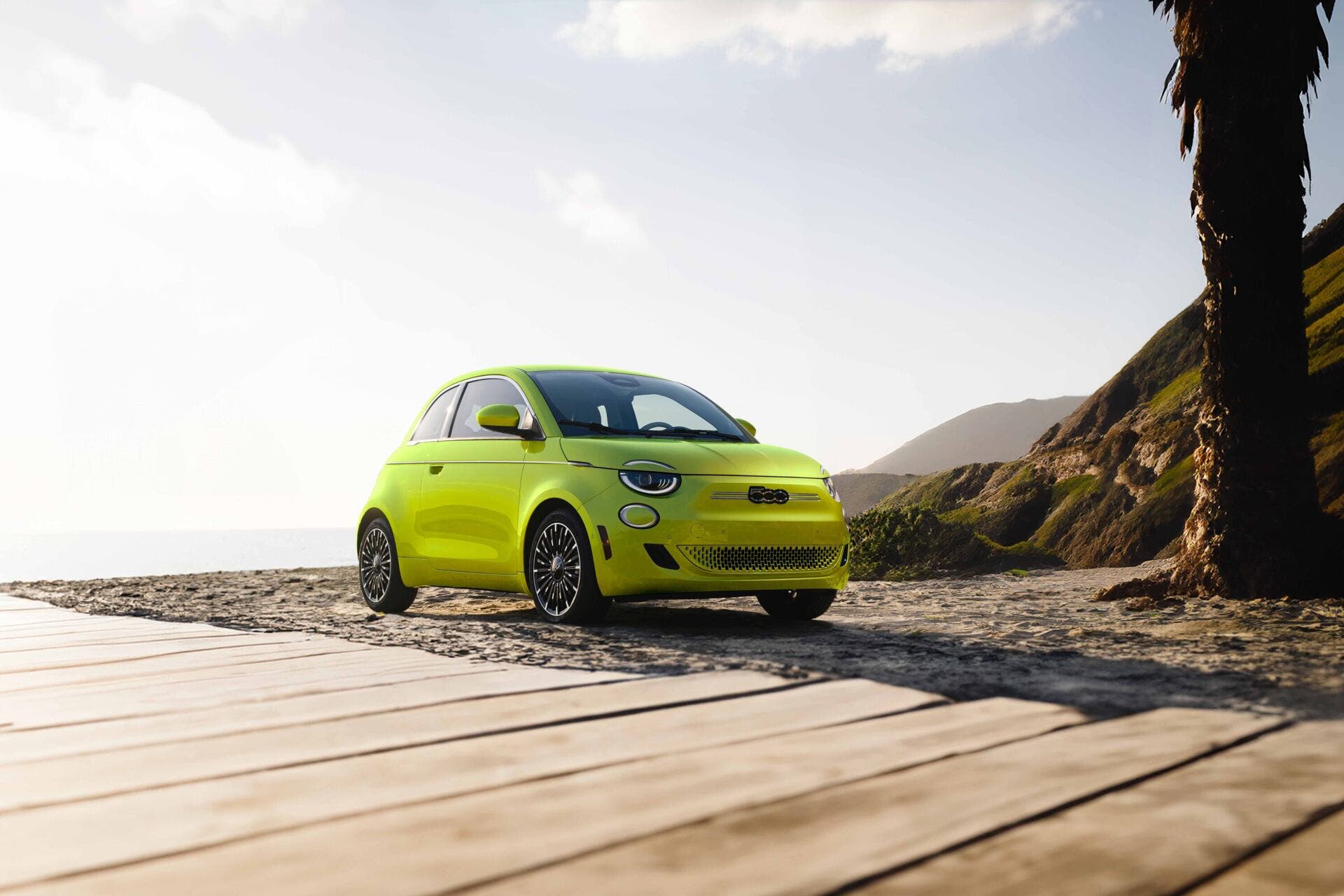
Fiat Professional will continue operating through a network of 14 dealerships, keeping the Scudo and Ducato on sale. Stellantis has also promised to continue providing servicing and spare parts to existing customers, but it has not identified which passenger cars could return in the future. The group will evaluate any new introduction according to demand and financial viability.
Australia does not represent a problem for Fiat alone. Peugeot is also reviewing its local operations after sales fell by more than 32%, suggesting that Stellantis needs to reconsider its wider presence in the market. For Fiat, however, the consequences appear particularly clear: without new models, the brand could spend a prolonged period without a genuine passenger-car lineup in Australia.