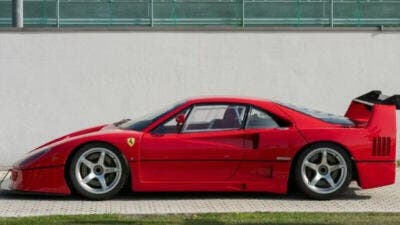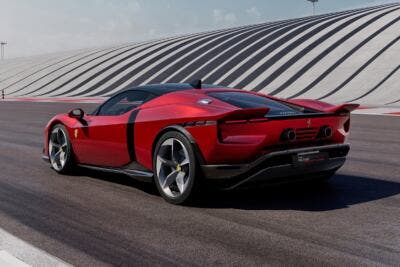
Ferrari’s eight-cylinder road cars have spanned almost half a century of production, evolving from solutions created to get around tax restrictions to hybrid powertrains capable of exceeding 1,000 hp. Two models in particular represent the extremes of this evolution: the 208 GTB and the 849 Testarossa. They share the V8 layout, but a huge technological and performance gap separates them.
Ferrari V8 extremes: from the 208 GTB to the 849 Testarossa
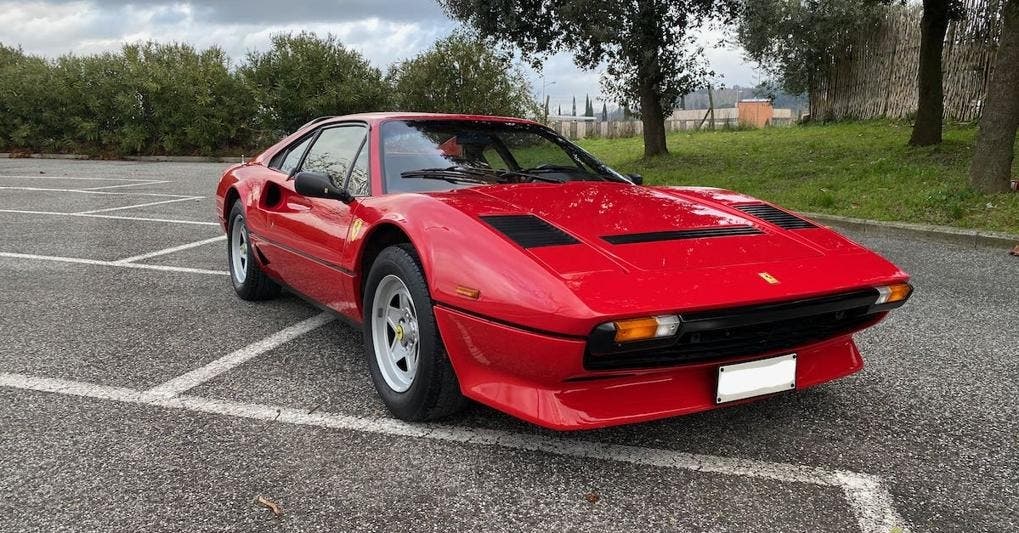
The Ferrari 208 GTB was born in 1980 with the goal of offering the Italian market a two-seat Ferrari without triggering the heavy taxation that, at the time, penalized cars with engines larger than two liters. The same logic had already led to the 208 GT4 in 1975, but the GTB looked far more convincing from a styling perspective, thanks to a Pininfarina design that echoed the proportions of the 308 GTB with clean surfaces, balanced volumes and elegant sportiness. Ferrari also offered a GTS version with a removable hardtop, for a fairly limited total production of 160 GTB units and 140 GTS units.
The 1,991 cc V8, with two valves per cylinder and a rear transverse layout, produced 155 hp at 6,800 rpm and allowed a top speed of 134 mph. That figure was not insignificant in relation to displacement, but it still fell short of the expectations naturally created by the Ferrari name. The chassis and weight balance still made the car enjoyable to drive, although the lack of power affected the overall perception. To fix this, Ferrari introduced the 208 Turbo in 1982, the Prancing Horse’s first turbocharged road car. It raised output to 220 hp at 7,000 rpm and gave the model a level of performance more consistent with the name on its hood.
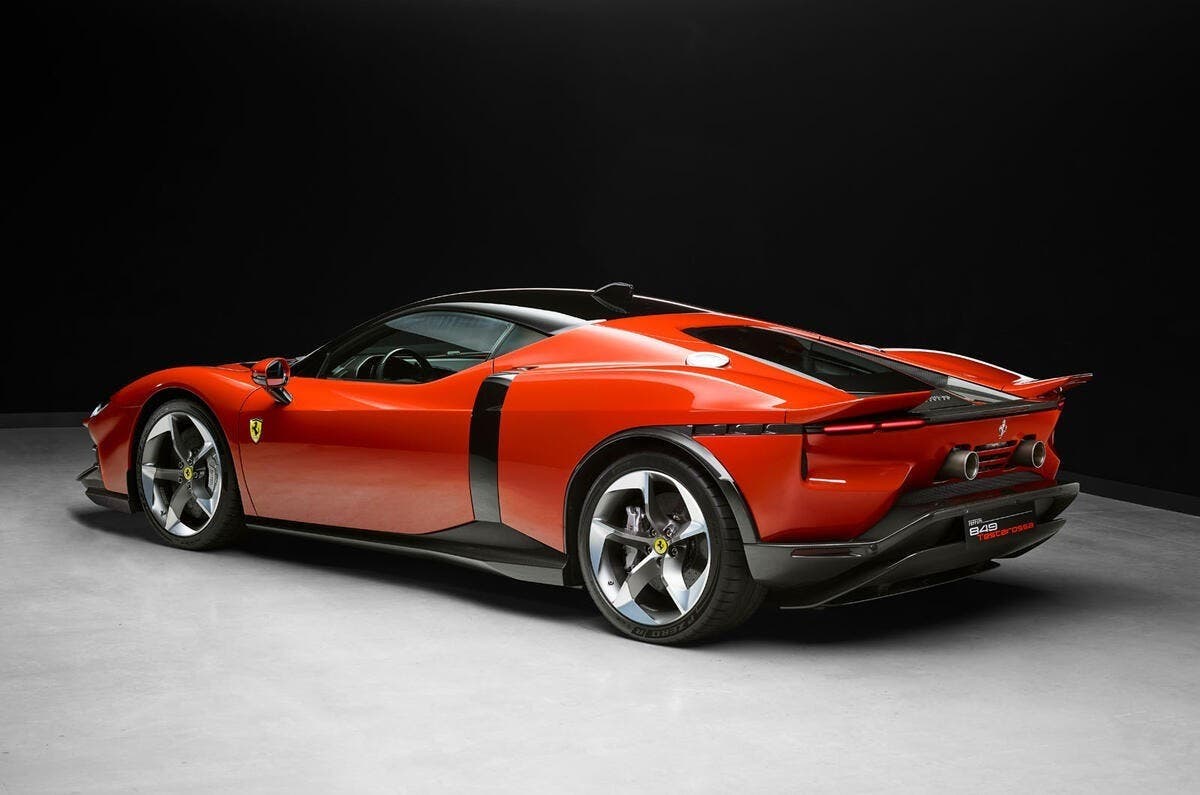
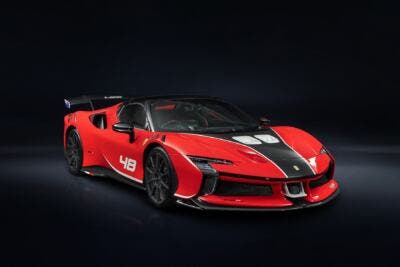
The Ferrari 849 Testarossa sits at the opposite end of that story. As the heir to the SF90 Stradale, this supercar combines a 4.0-liter twin-turbo V8 with three electric motors for a total output of 1,050 hp, including 830 hp from the combustion engine. The performance figures speak for themselves, with 0 to 62 mph in under 2.3 seconds, 0 to 124 mph in 6.35 seconds and a top speed above 205 mph.
The design by Flavio Manzoni recalls elements of the old 512 S and 512 M, especially at the rear, but it does not seem destined to convince everyone at first glance. From a styling perspective, the 849 Testarossa remains dramatic and instantly recognizable, even if it leaves room for divided opinions that its technical package does not invite at all. Its dynamic behavior may be the most striking aspect, because the car can move around a track with race-car effectiveness while still maintaining an unexpected level of confidence and comfort for a machine with this much power.
The comparison between the two models shows how much Ferrari’s eight-cylinder production has changed over the decades. On one side, there is a small sub-two-liter V8; on the other, a hybrid supercar whose 1,050 hp brings it close to special-series performance while still belonging to the brand’s regular lineup.