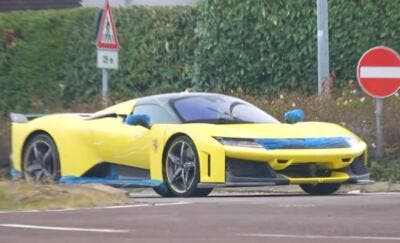
2026 will mark a historic turning point for Ferrari, as the Prancing Horse prepares to unveil its first fully electric model. A highly anticipated car, it has already sparked strong interest among enthusiasts and industry insiders alike, not only because of its technological shift, but also for the way Ferrari plans to reinterpret one of the most iconic elements of its identity: sound.
Early hints emerged late last year through comments from CEO Benedetto Vigna, who confirmed that Ferrari’s future electric car will not be silent in the traditional sense. Instead, it will feature a distinctive acoustic identity designed to preserve the emotional engagement that has always defined the brand’s cars.
Ferrari confirms its first electric car will feature a custom-built sound
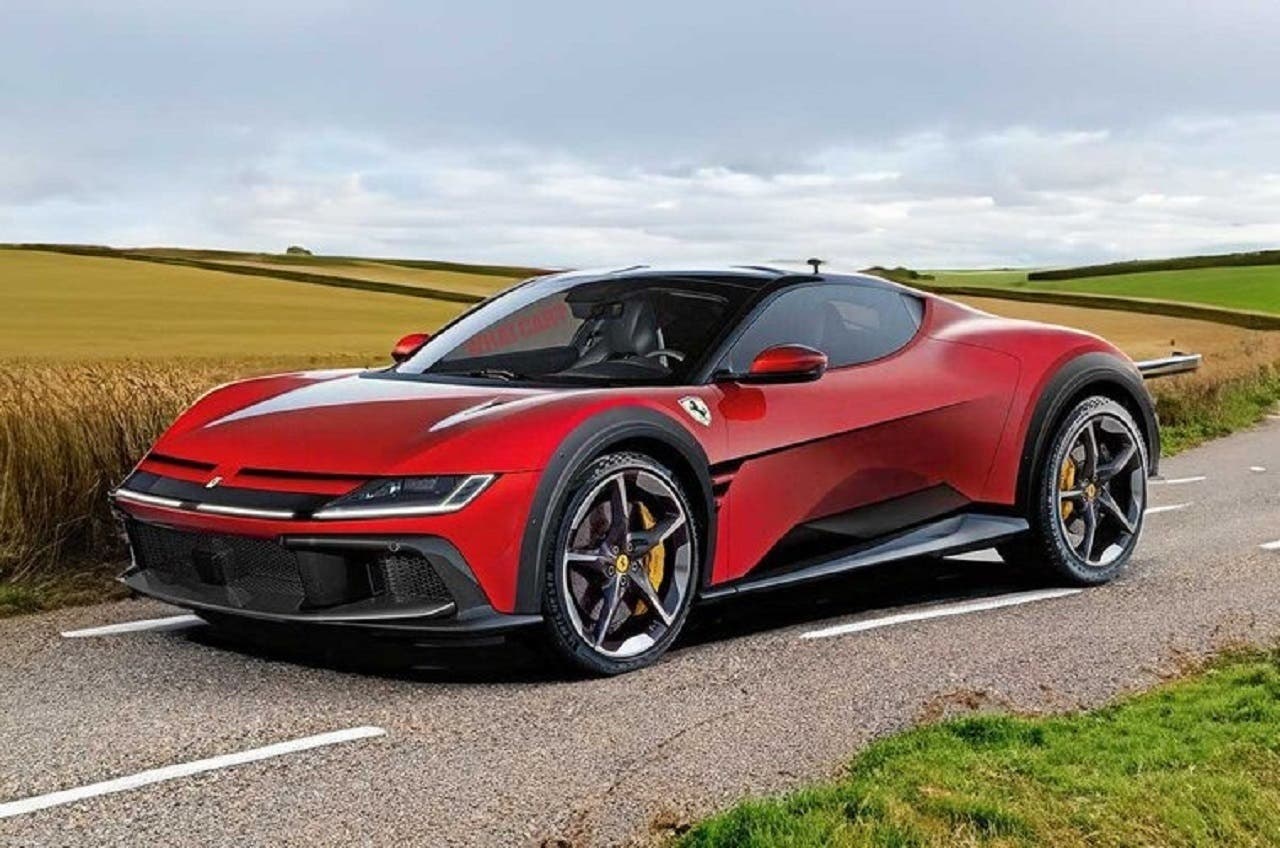
Further insight came from Antonio Palermo, Ferrari’s head of sound engineering, who spoke with French outlet Automobile-Propre during a technical presentation of the project. Palermo explained that Ferrari did not aim to artificially recreate the roar of a combustion engine, nor to generate a generic digital sound. “We didn’t want to imitate an internal combustion engine, but we also didn’t want something artificial,” he said. The goal, instead, is to enhance the natural sound produced by the electric components and shape it into something expressive and recognizable.
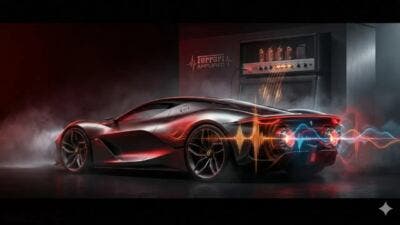
The system relies on a high-precision sensor positioned near the inverter at the rear of the vehicle. This accelerometer captures vibrations and frequencies generated by the drivetrain. Engineers then amplify and modulate those signals, much like an electric guitar processes sound, to create a signature tone that reflects the car’s character. Palermo even cited musicians such as Jimi Hendrix, David Gilmour, and Jimmy Page as sources of inspiration.
Ferrari tested dozens of configurations before selecting the ideal sensor placement, ensuring clean sound reproduction free from mechanical interference. The result is an audio profile that remains subtle during relaxed driving but becomes more pronounced when the driver demands higher performance.
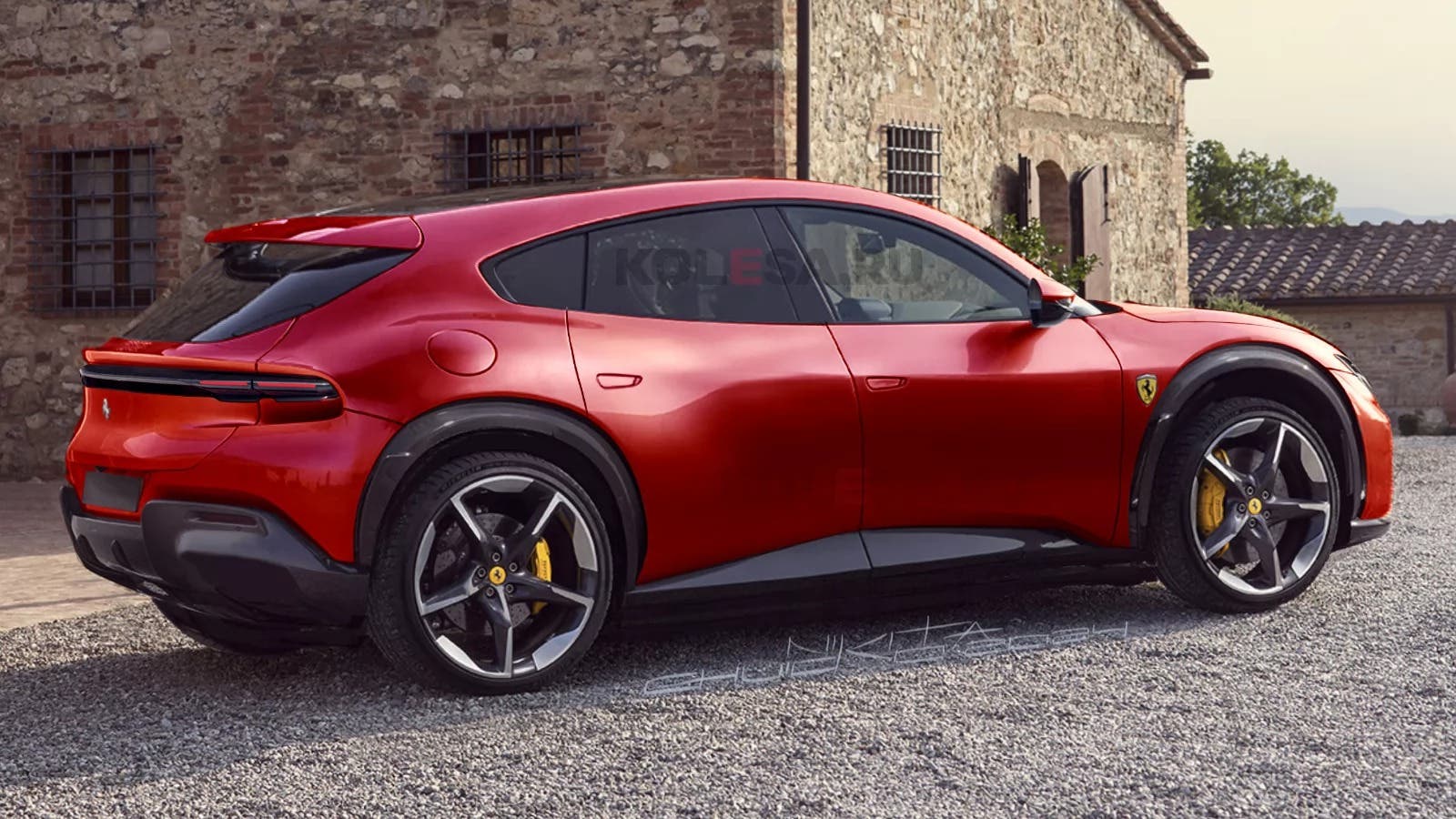
The system also integrates with Ferrari’s Torque Shift Engagement technology, which simulates different response levels similar to virtual gear changes, each with its own acoustic character. This approach helps maintain a strong emotional connection between driver and car, even without a traditional engine.
Ferrari continues to keep final details under wraps, but one thing is clear: the brand’s first electric car will not abandon emotion. Rather than embracing the silence typical of EVs, Ferrari aims to introduce a new interpretation of sound, one designed to stay true to the spirit of the Prancing Horse in the electric era.