Maranello has made a groundbreaking discovery. People who buy a Ferrari generally have zero interest in driving a glorified electric car. The problem, however, is that the European Union thinks differently. When Brussels calls to discuss excessive emissions, it’s never for a friendly chat. It’s usually to hand over a bill as heavy as a V12 engine but significantly less fun to pay.
Ferrari has genuinely committed to electrification, though not out of a sudden passion for environmental activism. The reality is that EU sanctions are brutal, and even for a niche manufacturer with slightly more “flexible” regulations, the potential fines represent a total loss that even record-breaking supercar sales can’t offset.
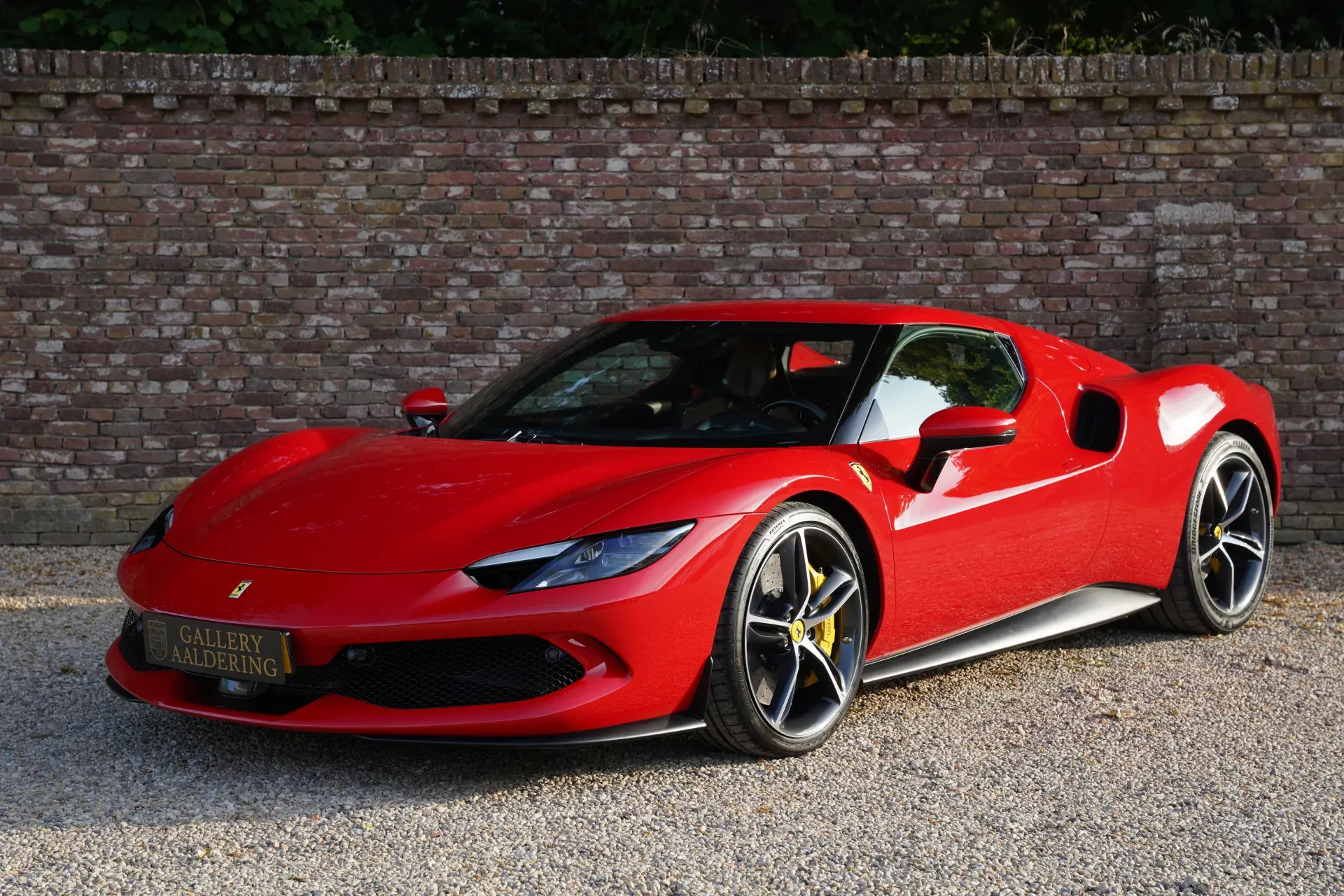
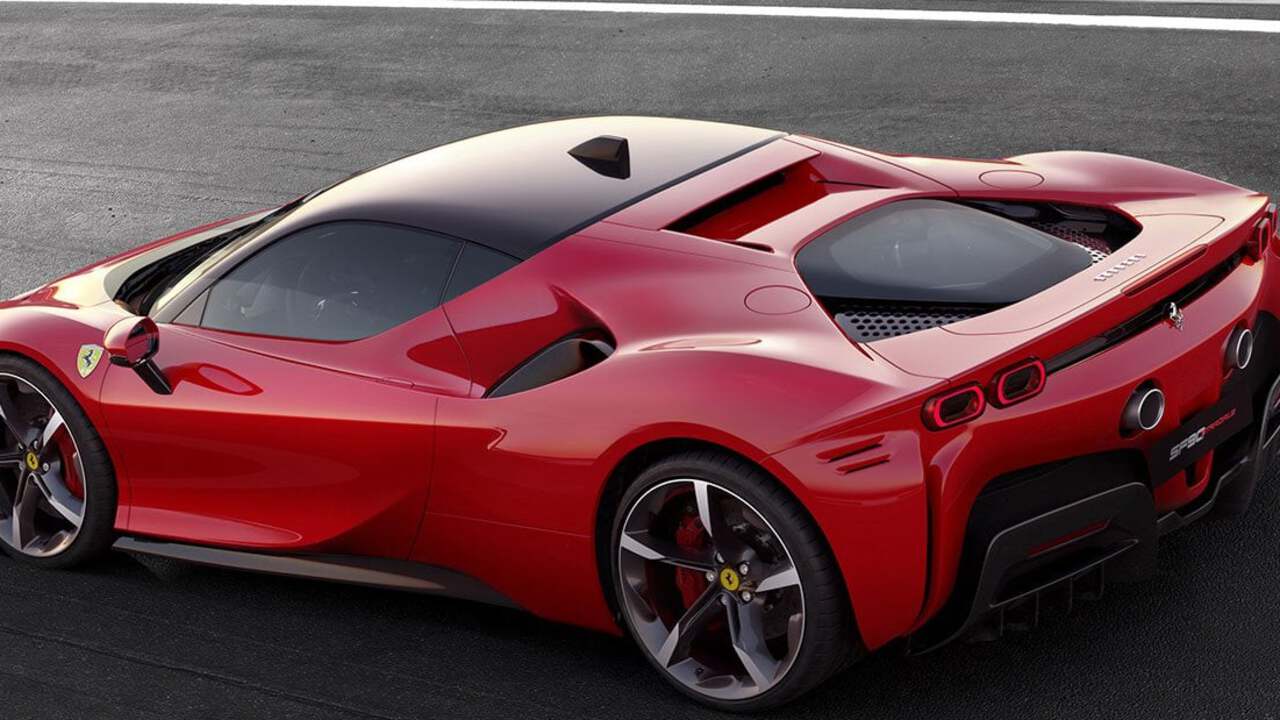
After analyzing the usage of plug-in hybrid models like the SF90 and the 296, the picture is crystal clear. The pure electric mode is used about as often as a VCR in 2026. Owners almost exclusively select Performance Mode, where the internal combustion engine runs constantly as a generator to ensure maximum power is always on tap. After all, who buys a Ferrari to creep around in silence?
These fortunate owners seemingly only plug in their cars when they know they’ll be parked for weeks. This “neglect” of the battery pack, combined with the demands of high-performance driving, leads to a painful reality once the three-year warranty expires. Replacing a Ferrari hybrid battery currently fluctuates between $23,000 and $30,000, excluding labor. While that’s pocket change for someone with an SF90 in the garage, it highlights a massive gap between legislative theory and supercar reality.
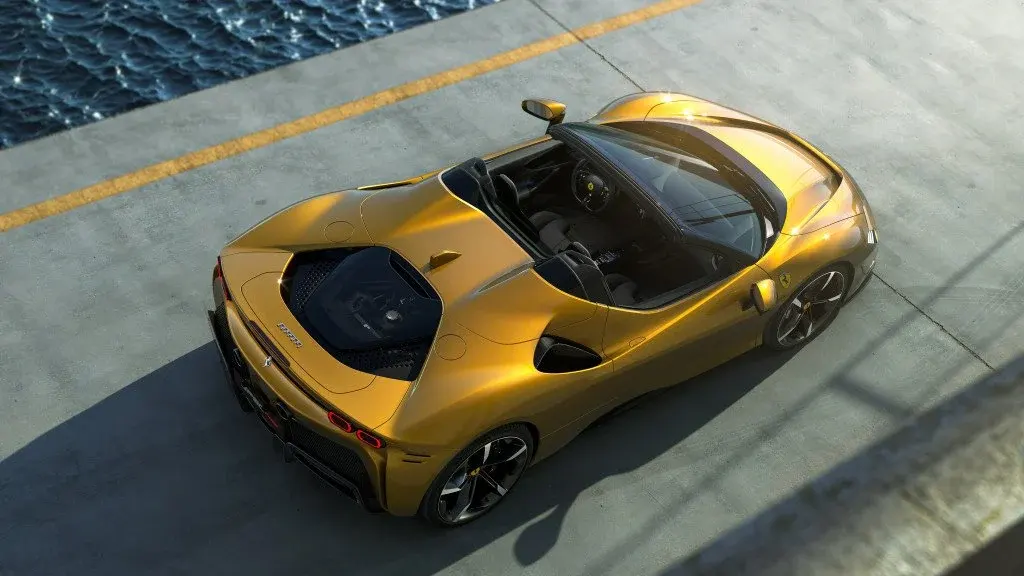
Brussels already has the prosecution papers ready, and this time, the Prancing Horse might not be able to kick hard enough to dodge the bill. It seems the EU’s green mandates are finally catching up with the world’s most famous luxury brand, proving that you can outrun almost anything in a Ferrari.