

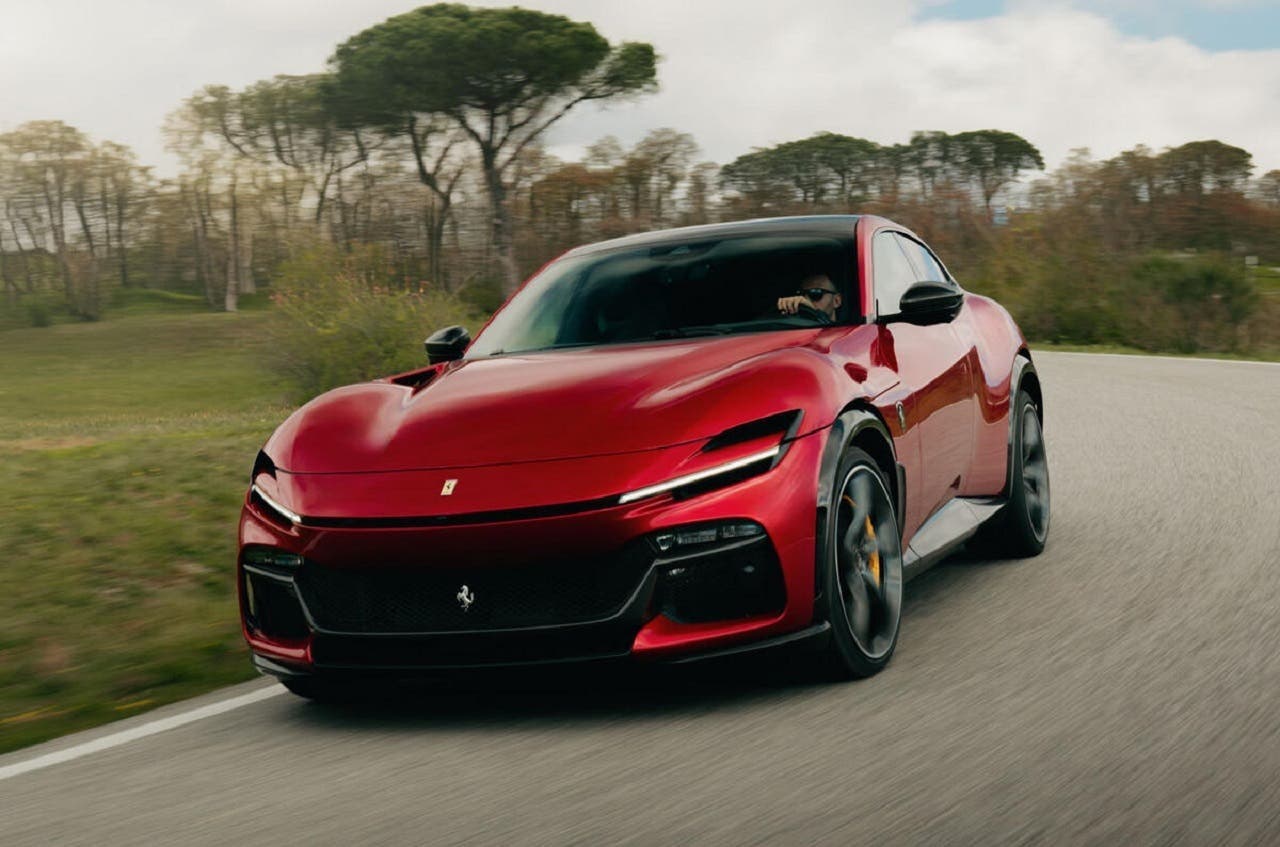
Even a Ferrari can become hard to sell, especially when the price remains very high and the market does not seem willing to follow it. That appears to be the case with a Purosangue finished in Celeste Metallic, originally delivered to Ferrari of Seattle and now sitting at a Maserati dealership in the United States. According to the available information, the dealer is asking more than $515,000 before taxes and additional costs, but so far no buyer has been willing to meet that figure.
Ferrari Purosangue proves hard to sell at over $515,000
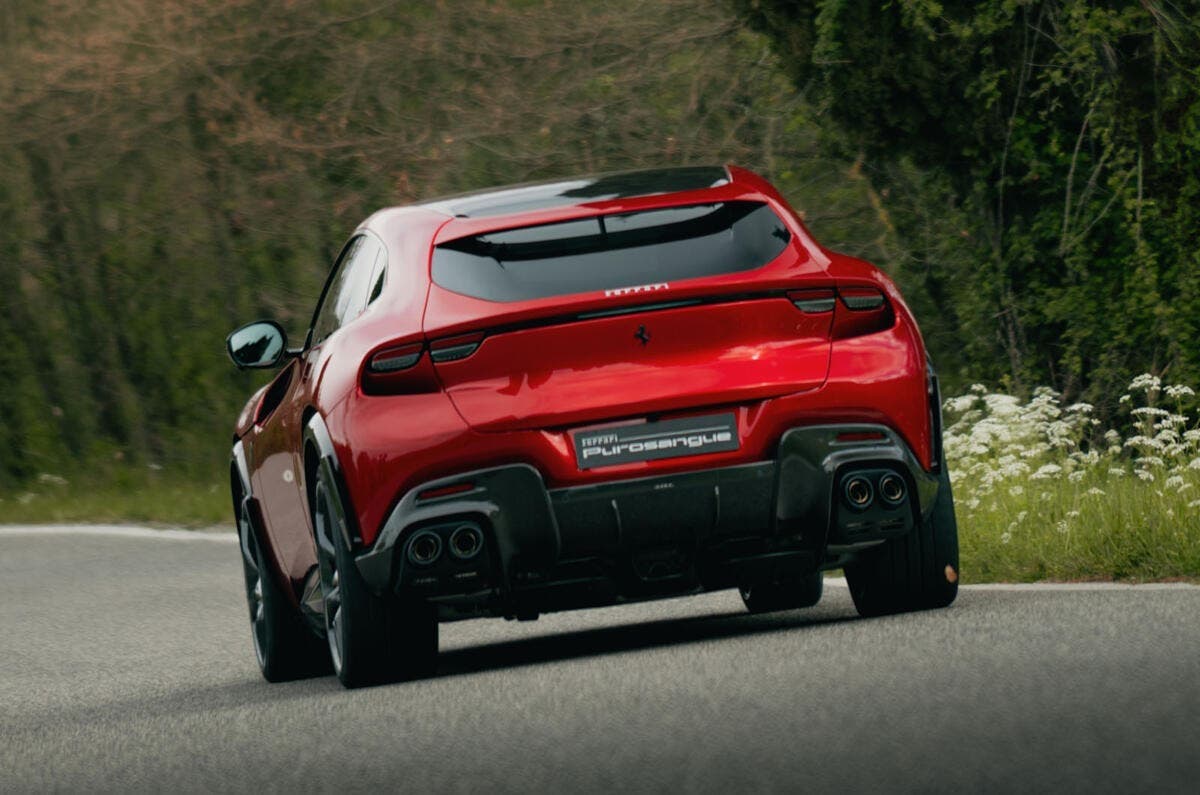
The example uses Ferrari’s naturally aspirated 6.5-liter V12 in a front-mid position, delivering 715 hp to all four wheels through an eight-speed dual-clutch transmission. It also comes with a particularly rich specification, including a panoramic roof, active LED matrix headlights, sports exhausts, 22-inch forged front wheels and 23-inch rear wheels, a Brembo-Ferrari braking system with carbon-ceramic discs, Beige Honolulu leather upholstery with sport seats and black details, Apple CarPlay, Android Auto, wireless charging, aluminum pedals, and a high-end audio system.
According to the available details, someone reportedly submitted an offer of around $443,000 for the car, but the dealer considered it too low. The gap of more than $70,000 suggests a significant distance between the seller’s valuation and what the market seems willing to pay for this specific model.
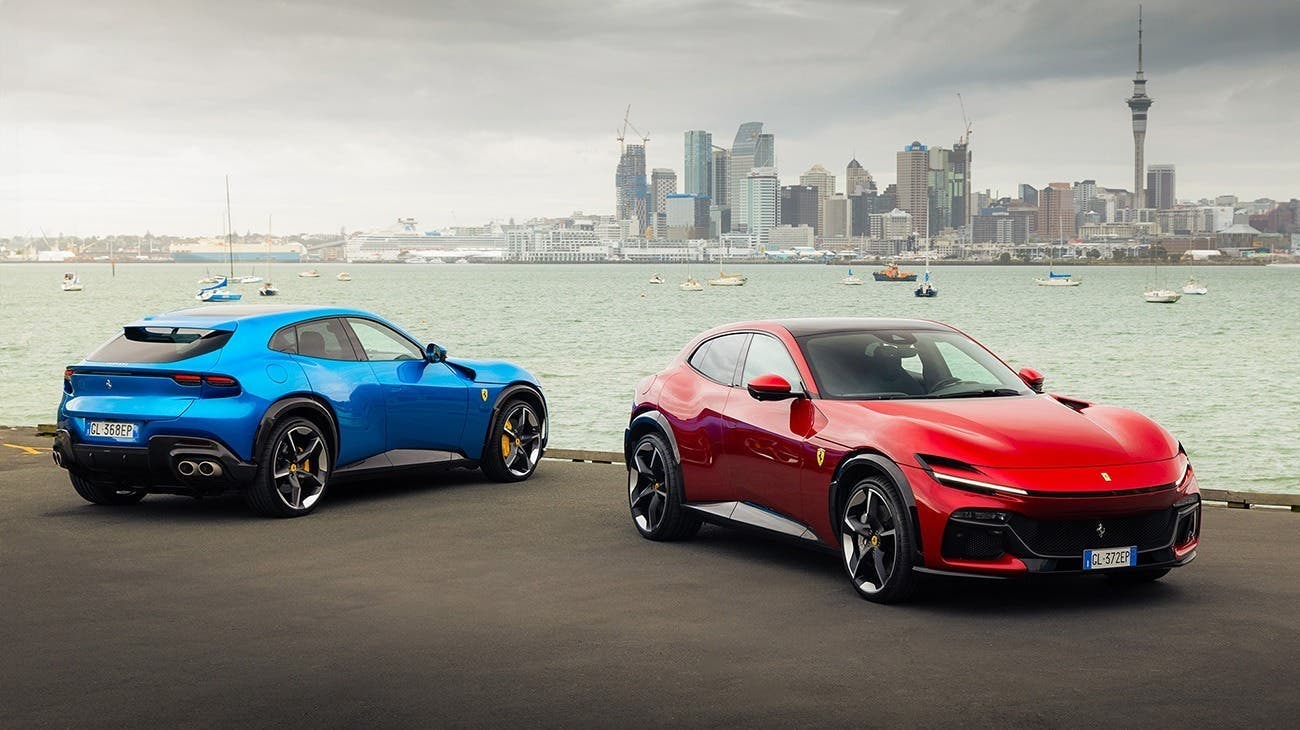
Part of the difficulty may come from the position the Purosangue occupies within the Ferrari range. It is not a traditional supercar, nor a classic grand tourer, but a four-door, four-seat model that retains Maranello’s traditional naturally aspirated twelve-cylinder engine while competing in a segment where several high-performance alternatives cost less and offer a more openly practical mission.
Buyers looking for a Ferrari tied more closely to the brand’s sporting tradition often turn to the coupés or spiders in the lineup. Those who prioritize the practicality of a luxury SUV, meanwhile, can find similarly powerful alternatives at lower prices.
The case of this Seattle-delivered example shows that even for a manufacturer with Ferrari’s strong commercial positioning, the relationship between asking price and real buyer willingness remains a delicate balance. This becomes especially true once prices move beyond certain thresholds in the less conventional corners of the range.