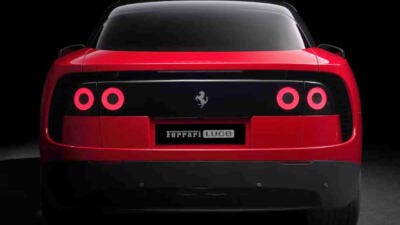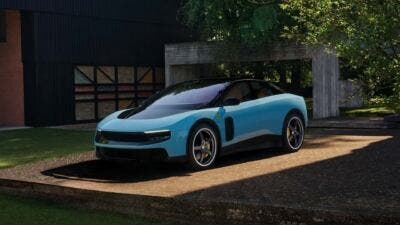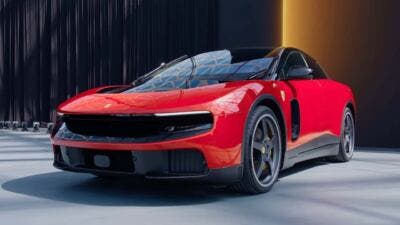
There was a time when the only thing louder than a Ferrari was the cheering of its investors. That era evidently ended Tuesday morning. Maranello just unveiled the Luce, its first-ever all-electric vehicle, and the financial world immediately clutched its collective pearls.
Ferrari shares tanked by a brutal 8.1% in Milan, while Wall Street opened with a dismal 4.6% drop, dragging the company’s year-to-date performance down by a staggering 30.2%. It turns out that trading gasoline for electrons is an excellent way to trigger a market-wide panic attack, proving that this car has managed to deeply divide the world before anyone has even had the chance to step inside.
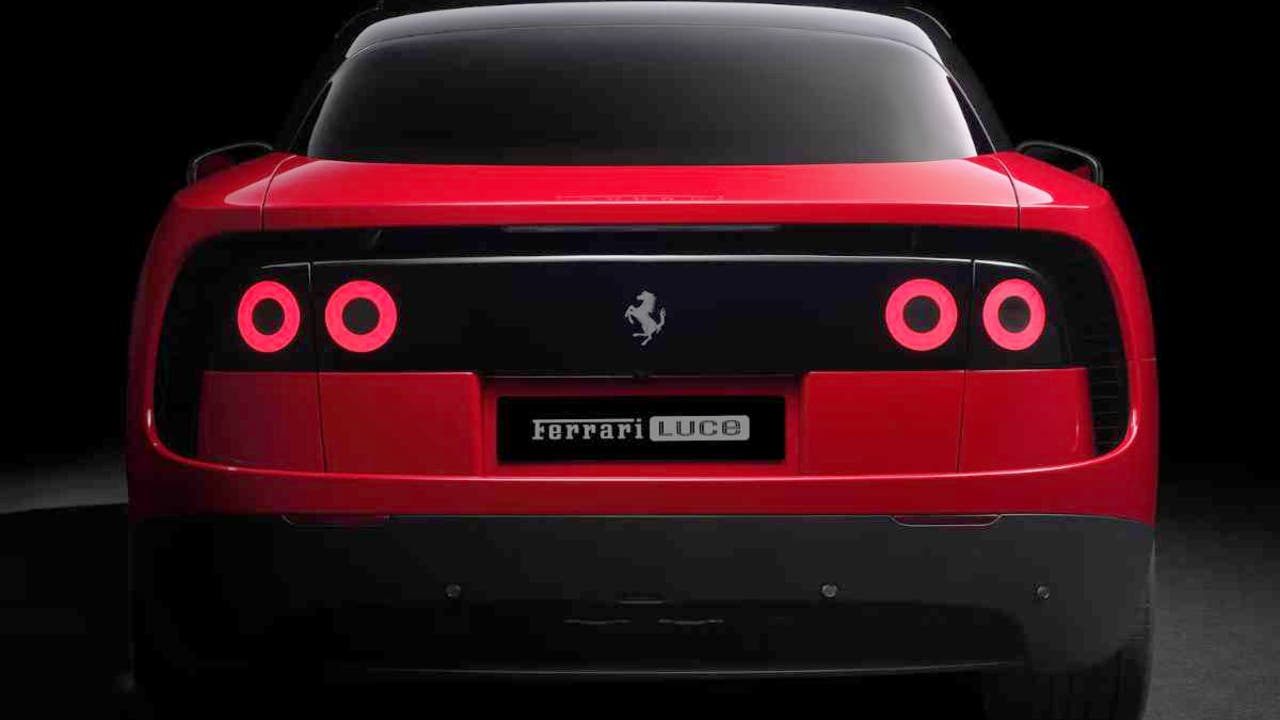
On paper, the Luce is a radical, unapologetic break from everything sacred. It features five seats and a futuristic design courtesy of LoveFrom, the firm led by legendary ex-Apple design chief Sir Jony Ive. For purists, looking at a Ferrari shaped by the guy who gave the world the iPhone is a remarkably tough pill to swallow. Industry analysts aren’t holding back either. Hardcore fans feel a silent battery dilutes an identity built entirely on acoustic violence. The Luce might be the most distinct departure from the brand’s philosophy in history.
Of course, Ferrari CEO Benedetto Vigna is painting a much rosier picture. Vigna insists this is simply the opening chapter of a glorious new book, confidently predicting the Luce will seduce both old-school Tifosi and a wealthy new generation of tech-obsessed buyers. It is a necessary display of executive optimism, but the massive chasm between management’s glossy narrative and the stock market’s brutal reality tells a far more dangerous story.
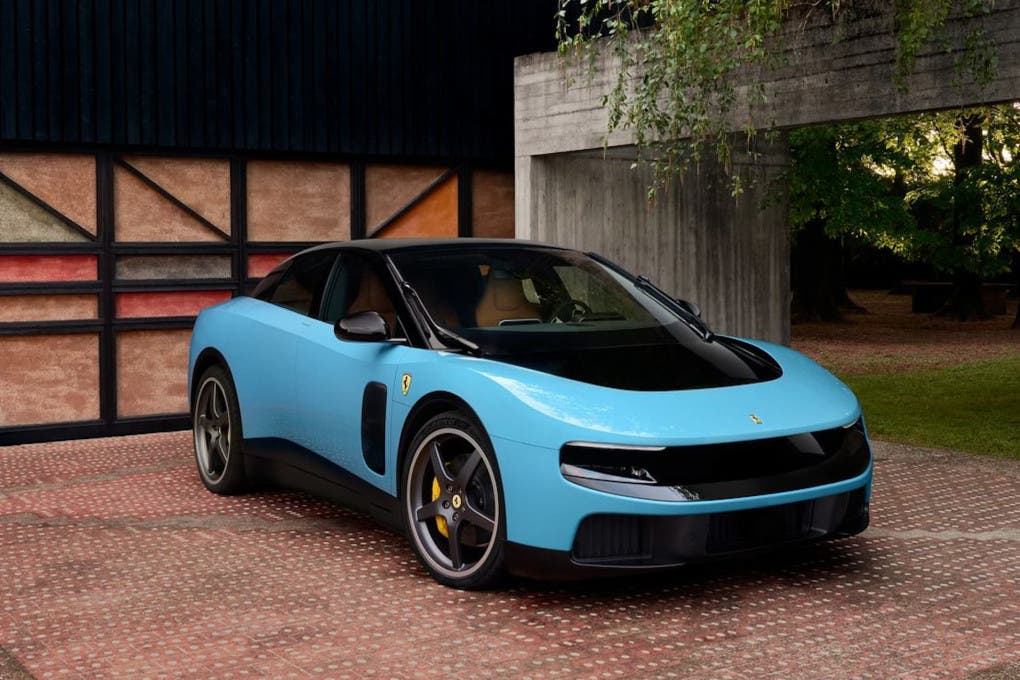
Ultimately, the debate isn’t about whether the Luce is a magnificent piece of engineering. It likely is. Instead, it is about Maranello choosing to future-proof its business by preparing for every legislative scenario, whether it involves internal combustion, hybrids, or pure volts. Ferrari has deliberately chosen to pay the steep tax of discontinuity right now. Wrapping that transition in an 880-volt architecture and Jony Ive’s minimalism makes it deeply fascinating. It also makes it incredibly hard to digest.