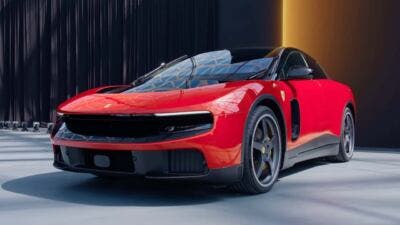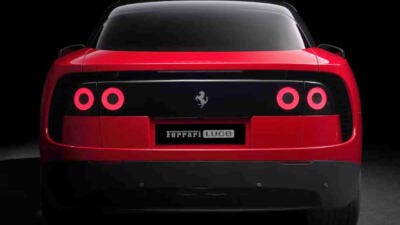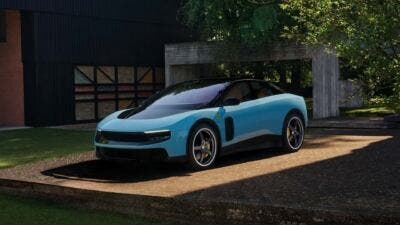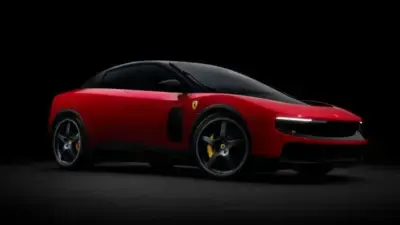
Maranello was all about the screaming symphony of V12 engines. Fast forward to the present, the Ferrari Luce has arrived, shattering every sacred design rule in the Cavallino playbook. While internet experts tear each other apart over its polarizing look, Maranello’s engineers have quieted the noise by revealing what is hidden beneath that controversial sheet metal. It turns out the brand’s first-ever all-electric supercar is a masterclass in delaying the inevitable automotive heart attack known as battery degradation.
In typical Ferrari fashion, they didn’t just slap an off-the-shelf lithium-ion slab into the chassis and call it a day. Instead, they built a highly complex, customized modular battery ecosystem that reads like a premium subscription service for automotive immortality.
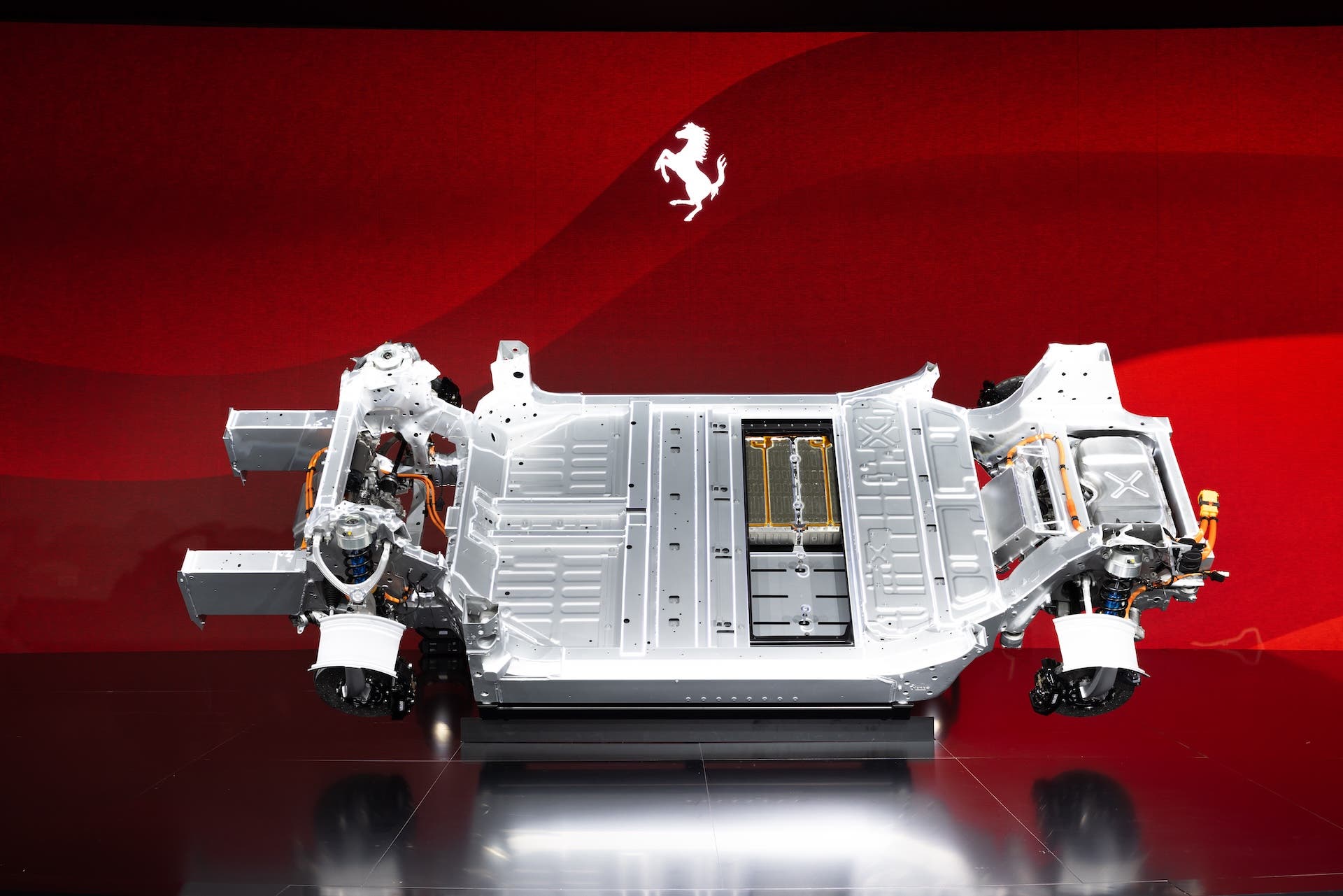
The Luce packs a total of 15 modules, 13 cleverly tucked into the floorboards and another two stuffed beneath the seats, presumably to give the driver a literal jolt of electric performance. The real genius, or perhaps the ultimate coping mechanism for the EV era, lies in the fact that these modules can be replaced individually. Gone are the days when a single dead component meant throwing the entire multi-million-dollar supercar into the recycling bin.
Ferrari is taking this micro-management even further inside their shiny new E-Building. Technicians won’t just swap out whole blocks, they can perform surgical interventions on a microscopic level. The entire pack contains exactly 210 cells, distributed at 15 cells per module. If a single cell decides to quit working after a hard track day, Ferrari can extract it with the precision of a watchmaker. This is a brilliant attempt to protect the holy grail of Maranello: long-term collectibility.
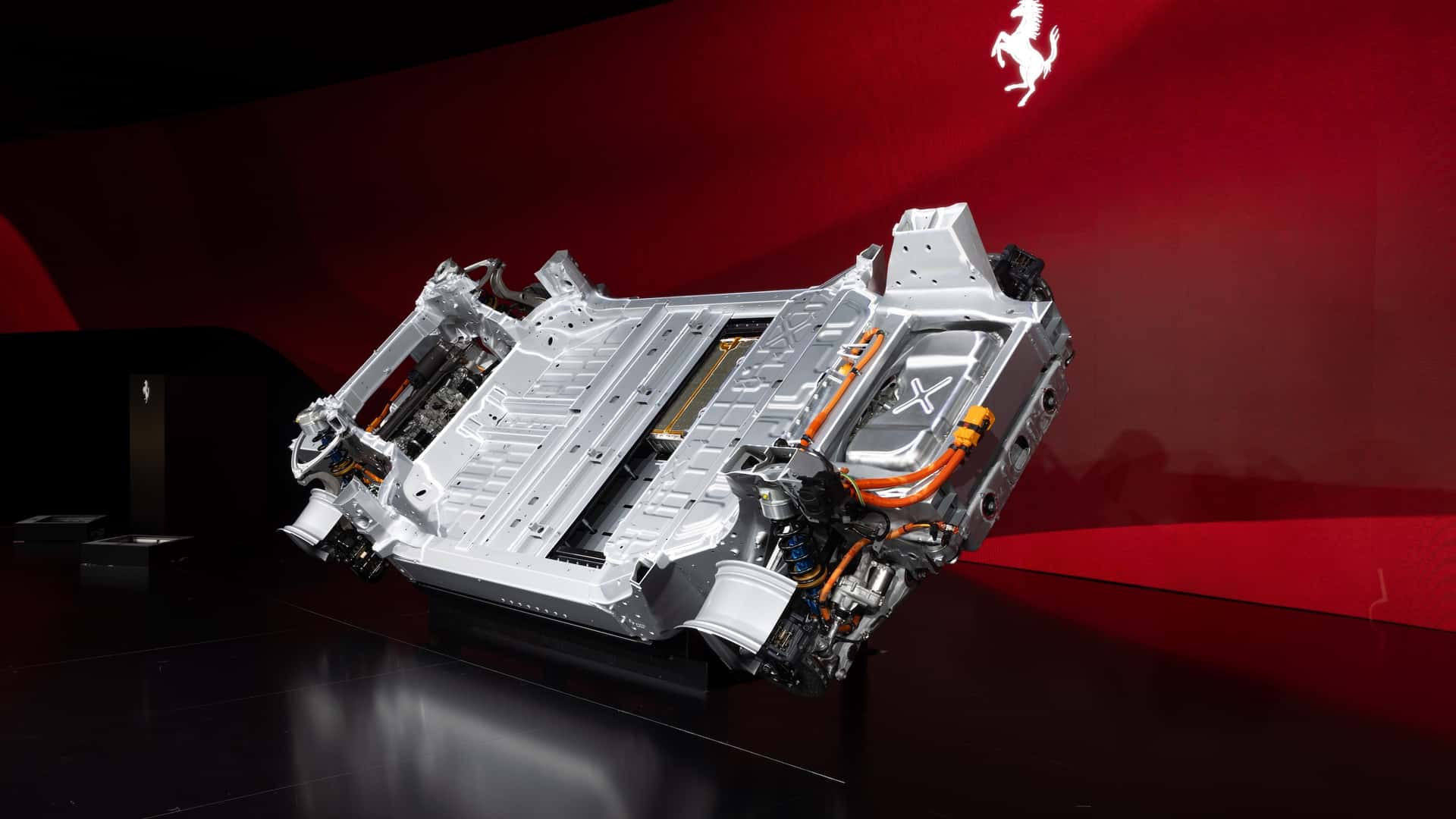
By ensuring that future owners can simply swap cells instead of facing total tech obsolescence, Ferrari is betting that the Luce will age like fine wine, rather than a first-generation iPad. Whether collectors will fight over a pristine vintage battery pack at Sotheby’s in forty years remains to be seen, but at least Maranello is making sure their electric future can be serviced one tiny cell at a time.