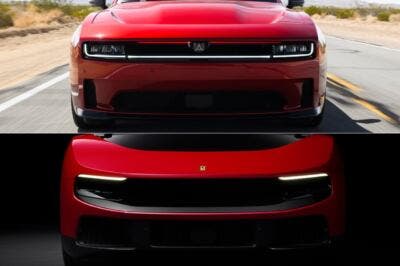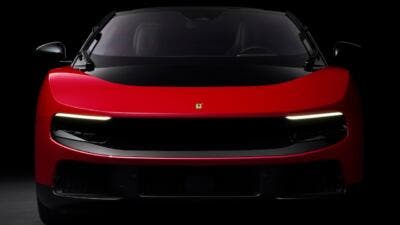
Maranello has a long, legendary history of solving complex aerodynamic puzzles with pure engineering genius, but their latest patent reveals that even automotive gods can stumble over a humble piece of rubber. The Ferrari Luce, the Prancing Horse’s highly anticipated debut into the all-electric arena, features a striking, double-layered hood design. This split-level bodywork allows a seamless, high-efficiency airflow to glide effortlessly from the front fascia straight onto the windshield. In the pristine, simulated world of a wind tunnel, it is an absolute masterpiece of hypercar aerodynamics. In the real world, however, it leaves Ferrari engineers staring at a deeply embarrassing problem: where do you hide the windshield wipers without ruining the car’s lines or draining its precious electric range?
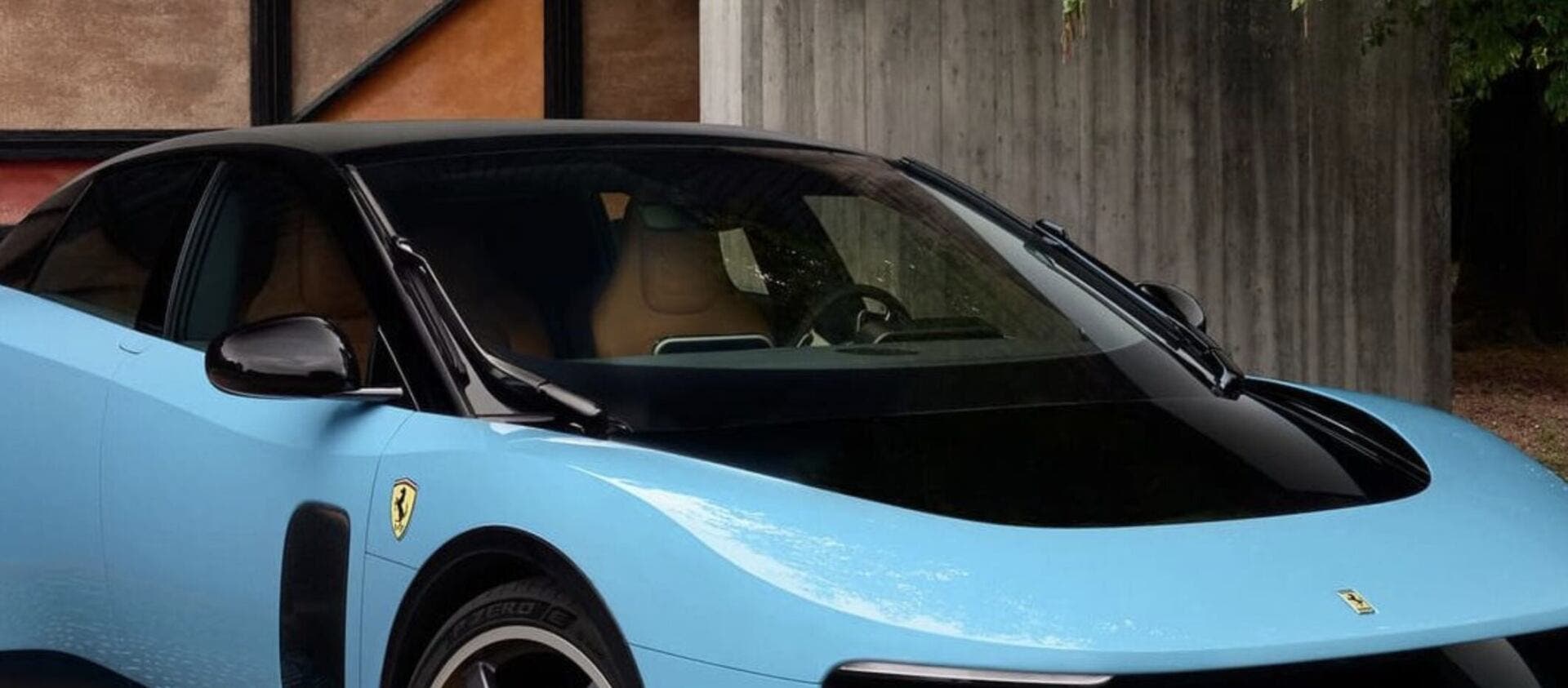
During initial showcases, the Luce parked its wiper blades vertically right on the glass. Even the high-minded executives in Maranello openly admitted in the patent filing that this look “significantly compromises the overall aesthetics” of the vehicle’s front end. In plain Italian-infused English: it looks awful. Leaving them horizontally at the base of the windshield wasn’t an option either, as blocking that delicate airflow would instantly murder the EV’s aerodynamic efficiency.
Ferrari’s patented solution is undeniably clever. They threw out the traditional single-motor linkage system, opting instead for individual motors for each blade that rotate downwards, neatly tucking themselves away into the cavity between the hood’s two layers. Out of sight, out of the wind.
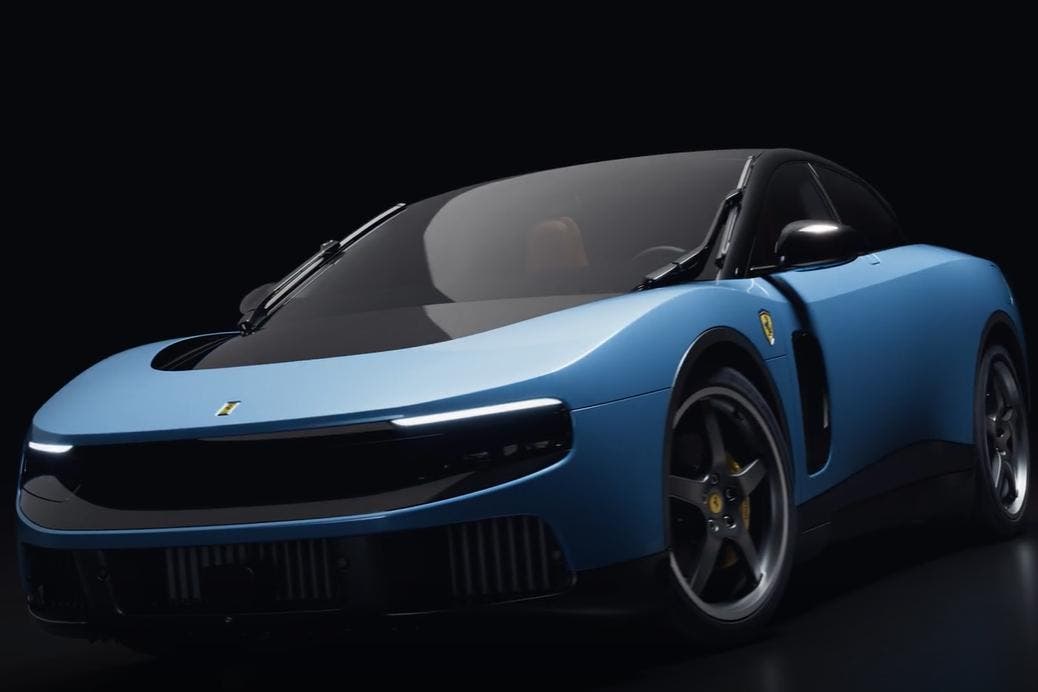
The ultimate irony of this luxury EV design flaw lies inside that very hiding spot. The interior of the lower hood cavity is finished in an ultra-premium, glossy black material. Every single time the automatic sensors detect rain and activate the wipers, those heavy blades will drag directly across that delicate, pristine surface. The best-case scenario is a web of highly visible streaks; the worst is a series of deep, unfixable gouges carved into a multi-million-dollar hypercar. The patent conveniently omits any solution to this self-mutilation.
Ferrari owners might soon face the hilarious reality of changing protective plastic films on their hoods as if they were swapping out cheap smartphone screen protectors. It turns out that in the high-stakes world of elite EV strategies, the devil doesn’t just hide in the details.