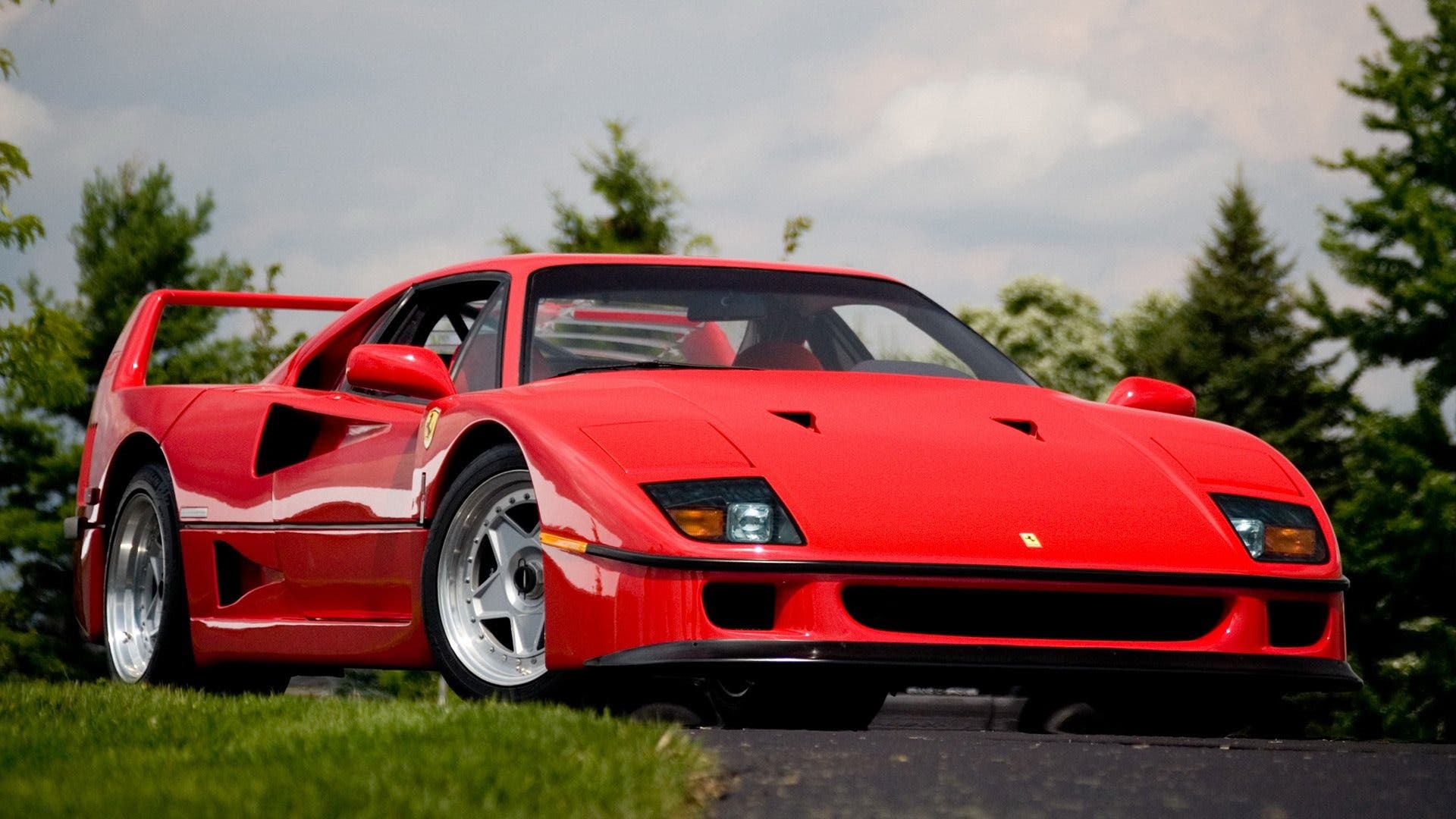
The Ferrari F40 and the Lancia Delta HF Integrale EVO 2 occupy opposite sides of the Italian automotive imagination, yet they always end up being mentioned together. The first is the ultimate supercar, the last born under Enzo Ferrari’s watch, built simply to be extreme. The second is a family compact turned into a rally weapon, winner of six consecutive World Rally Championship constructors’ titles between 1987 and 1992, before almost inevitably becoming a road-going legend. Technically, the two cars share nothing, but they tell the story of the same moment in Italian industry, when design courage and identity mattered more than any market analysis.
Ferrari F40 and Lancia Delta Integrale: opposite legends from Italy’s golden era
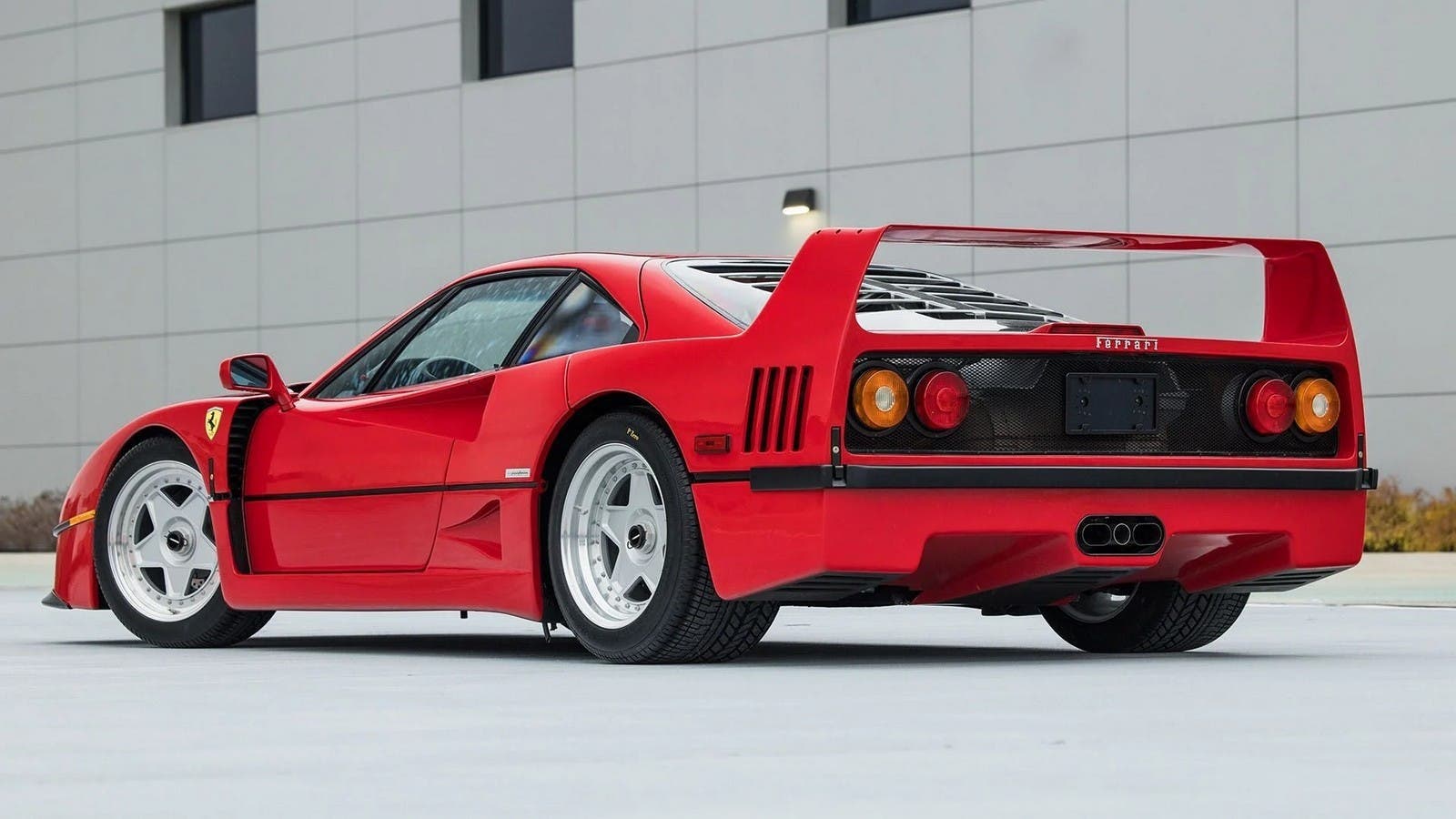
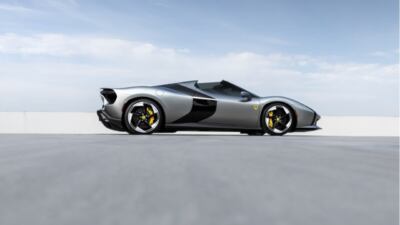
The F40 debuted in 1987 to celebrate Ferrari’s 40th anniversary. Its 2.9-liter twin-turbo V8 produced 478 hp, a figure that may seem modest today but, in a car weighing around 1,100 kg, created a ferocious driving experience with no electronic mediation. Pietro Camardella, working for Pininfarina, designed one of the most recognizable silhouettes in automotive history, with a low hood, NACA air intakes, a wide rear end and a rear wing that alone made the car’s intentions clear. The F40 did not chase classical elegance, but a more direct and nervous form of beauty. That aesthetic brutality probably explains why none of the Ferrari special models that followed, from the F50 to the F80, has ever occupied the same place in enthusiasts’ memories.
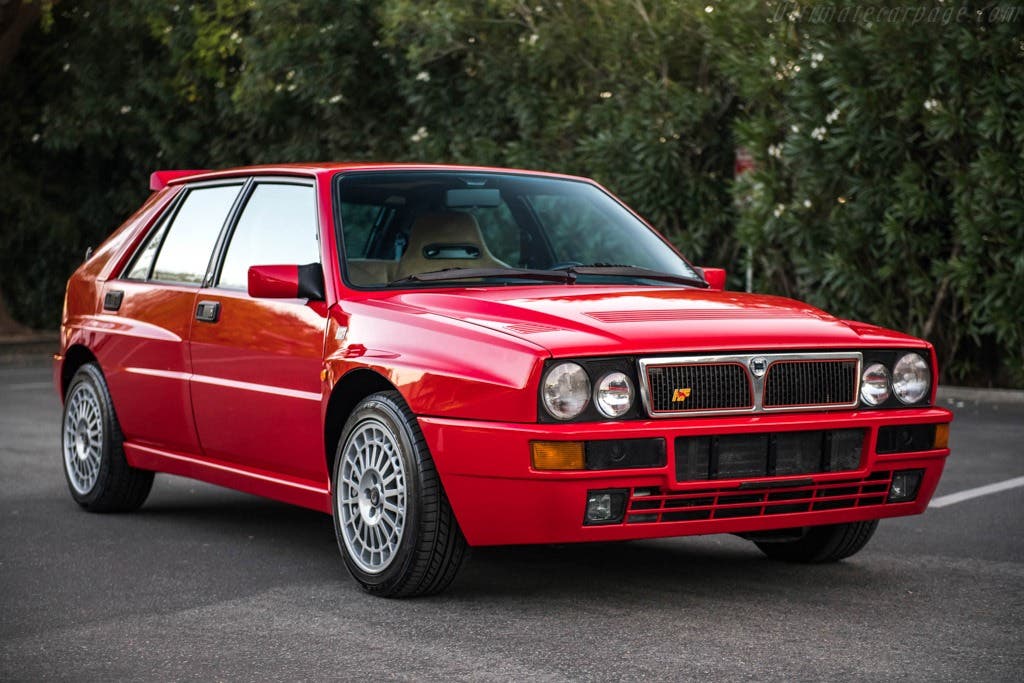
The Delta HF Integrale EVO 2 started from completely different premises. Its 2.0-liter turbocharged four-cylinder engine produced 215 hp, paired with all-wheel drive, taking the car from 0 to 100 km/h in 5.7 seconds and on to a top speed of 220 km/h. Those numbers, however, only told part of the story. The Delta’s real strength lay in the way it put power to the ground, with a rough and immediate surge that brought the feeling of rally special stages directly to the steering wheel. The final evolution of the series stood out with wider tracks, swollen wheel arches, a more threatening overall look than the original compact and the characteristic hood bulge, necessary to house the 16-valve cylinder head and later one of the car’s most iconic details. The Alcantara-trimmed cabin mixed sporting atmosphere and Italian craftsmanship without pretending to be luxurious.
The two cars represent the extreme poles of the same design culture, the one that, in Italy between the late 1980s and early 1990s, produced cars capable of becoming permanent reference points. The F40 was the poster dream, the Delta Integrale the hairpin hero. Both belonged to a period when the emotional side of the automobile had not yet given way to the industrial rationalization that would define the following decades.