Fiat Chrysler Automobiles (FCA) apparently decided that structural integrity in seat adjusters was optional, and now a class action lawsuit is calling them out for it. The complaint alleges that FCA, along with parts manufacturer Lear Corporation, knowingly sold over two million Dodge and Chrysler vehicles equipped with electric seat height adjusters that collapse under impact with almost no resistance.
The 33-page automotive lawsuit paints a picture of negligence that’s almost impressive in its scope. According to the filing, the bracket holding the seat height adjustment mechanism, comparable in size to that aforementioned piece of chewing gum, wasn’t adequately tested by either FCA or Lear.
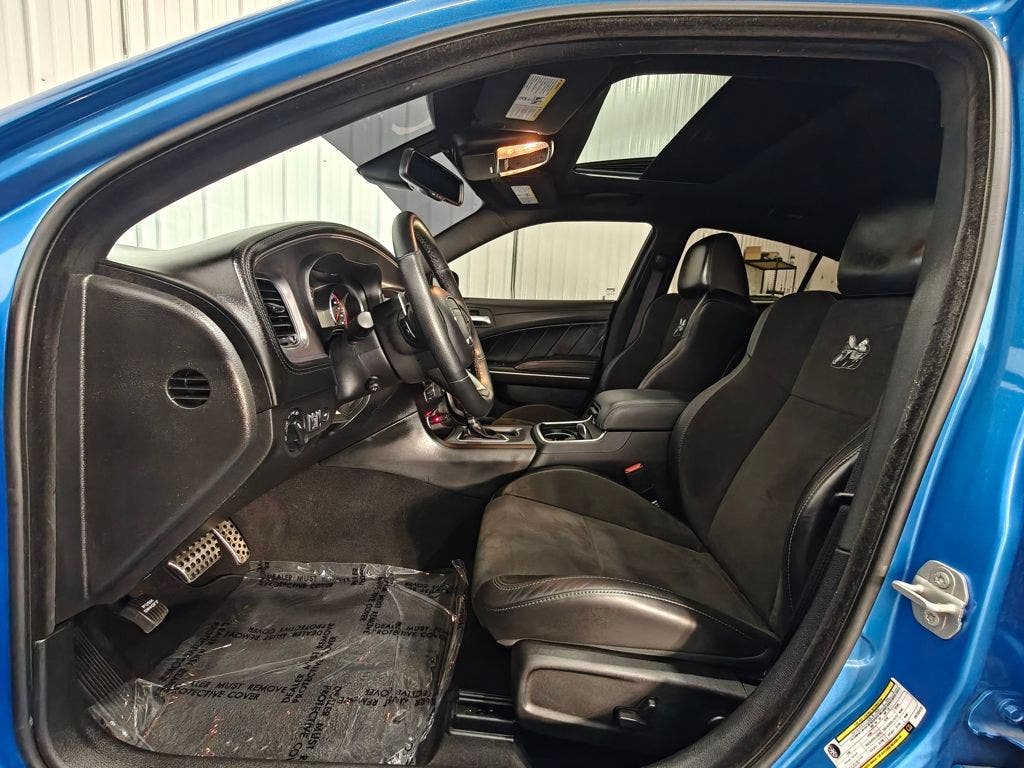
The result? Even a low-speed rear-end collision can cause the entire mechanism to fail, sending the seat sliding out from under the occupant and leaving them “out of position” relative to seatbelts and other safety systems.
Testing commissioned by the plaintiff’s attorney revealed that impacts as minor as 25 mph could trigger bracket failure. The higher the seat is adjusted, the complaint notes, the greater the risk of injury or death. It’s a design flaw that managed to make it into multiple model years across several vehicle lines: the Dodge Charger (2011-2023), Chrysler 300 (2011-2023), Dodge Challenger (2011-2023), Chrysler 200 (2011-2017), and Dodge Dart (2013-2016).
But the lawsuit doesn’t stop at product liability. It alleges that FCA and Lear engaged in mail and wire fraud to conceal the defect, violating the federal Racketeer Influenced and Corrupt Organizations Act and the Texas Deceptive Trade Practices Act. The companies allegedly used US mail and interstate communications to disseminate misleading information about their vehicles’ restraint systems through advertising campaigns, owner’s manuals, and safety compliance reports.
The class action seeks to represent all current and former owners or lessees of affected vehicles in the United States and its territories, excluding individuals who’ve already filed separate claims for damages, injury, or death related to the faulty seat adjusters.