Transport for London (TfL) has decided that dirty exhaust fumes are a missed business opportunity. In a staggering High Court legal maneuver, the U.K. capital’s transit authority is suing a heavy-hitting lineup of carmakers including Stellantis, BMW, Jaguar Land Rover, and Nissan for approximately £1 billion ($1.3 billion). The accusation? That auto giants engaged in good old-fashioned fraud and negligence by manipulating emissions data, allowing thousands of supposedly polluting diesel vehicles to glide through London’s Ultra Low Emission Zone without paying a dime.
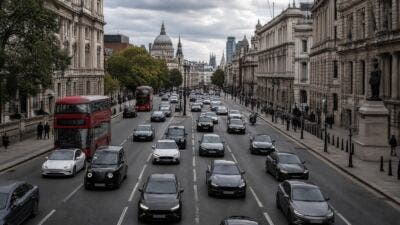
Since its grand debut in 2019 and controversial expansion across all of Greater London in 2023, Mayor Sadiq Khan’s ULEZ charge has hit non-compliant vehicles with a daily £12.50 toll. To enforce this, TfL relies on registration data provided by the Driver and Vehicle Licensing Agency, which in turn trusts the vehicle specs handed over by the auto manufacturers themselves.
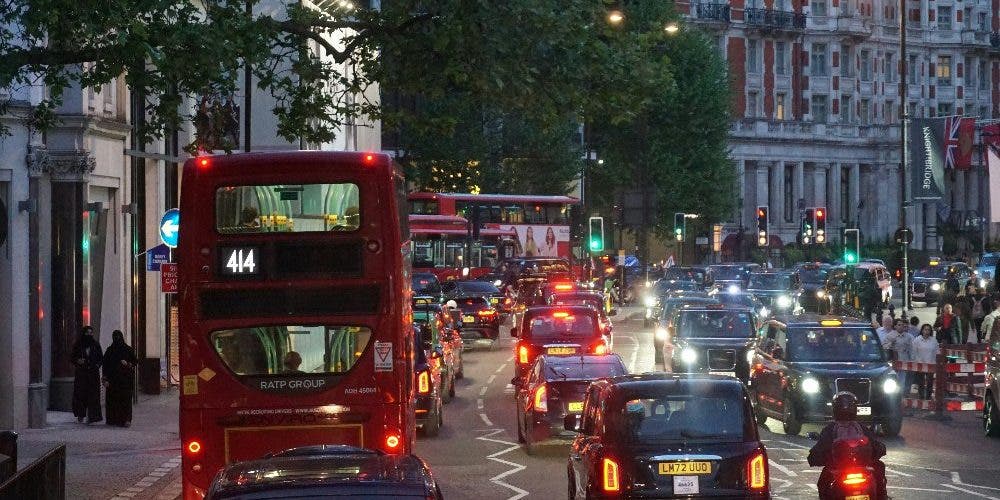
TfL’s lawyers contend that carmakers swore up and down that their modern diesels met clean-air standards when, in reality, they were spewing far more nitrogen oxide than advertised. By allegedly tricking the enforcement cameras, the automakers supposedly robbed TfL of massive toll revenues while happily letting toxic fumes fill the air.
However, TfL’s attempt to play traffic cop in the courtroom might hit a massive legal red light. The claim rests heavily on the premise that carmakers used illegal “defeat device” software to trick emissions tests, a song and dance the auto industry has been performing since Dieselgate.
Unfortunately for TfL, a parallel lawsuit brought by 1.6 million vehicle owners made a similar argument, only for the judge to rule largely in favor of the carmakers earlier this month. The court found the automakers’ argument surprisingly persuasive: that engine software was meant to prevent catastrophic overheating or stalling during specific driving scenarios, not to pull a fast one on regulators.
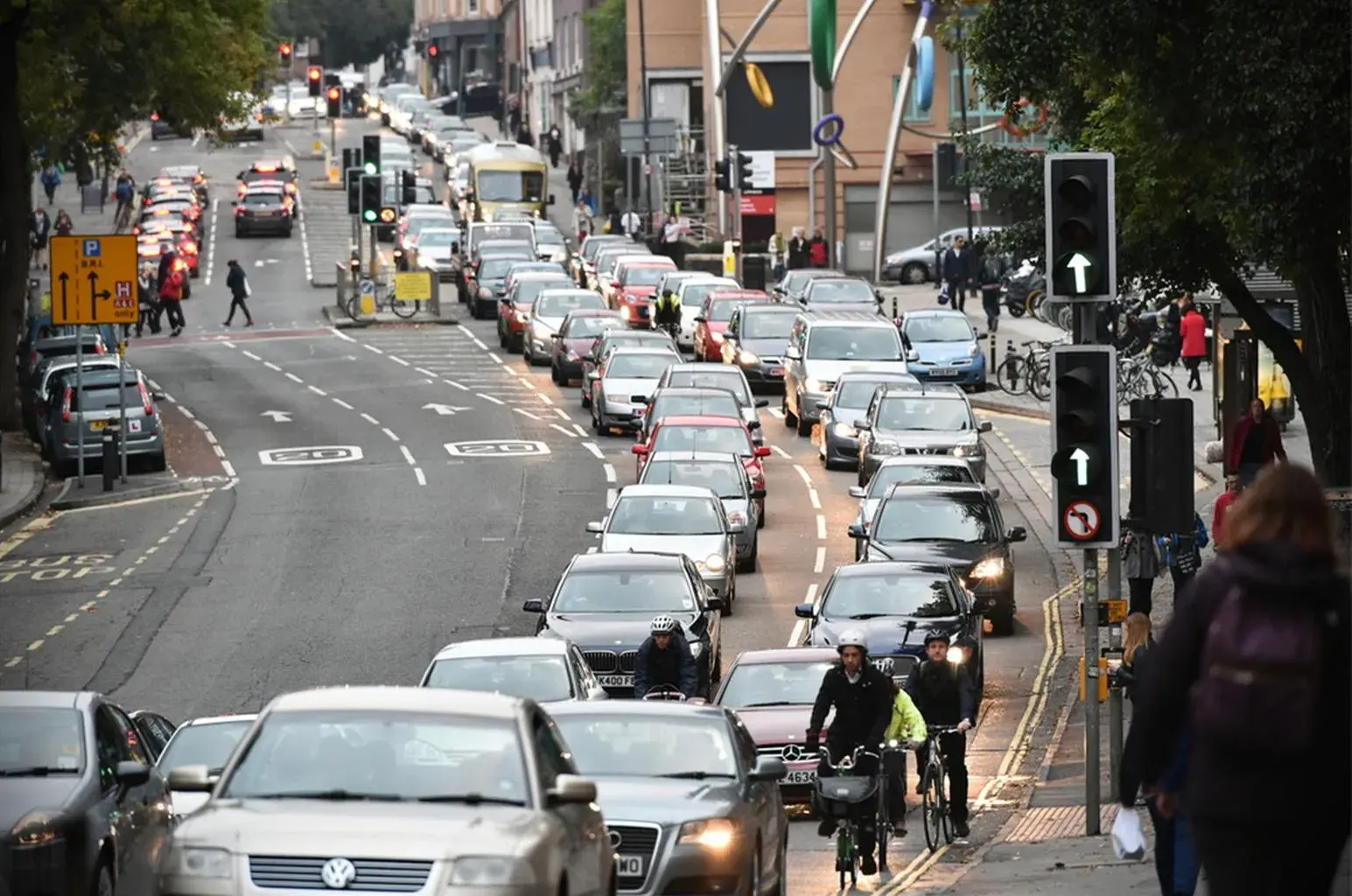
Representing Stellantis, attorney James Cutress KC pointed out that TfL threw around explosive allegations of fraud without presenting concrete evidence, essentially demanding a massive payout on a hunch. To make matters spicier, the High Court flatly denied TfL’s request for additional time to gather its paperwork, ordering the authority to officially serve its claim form by October.