

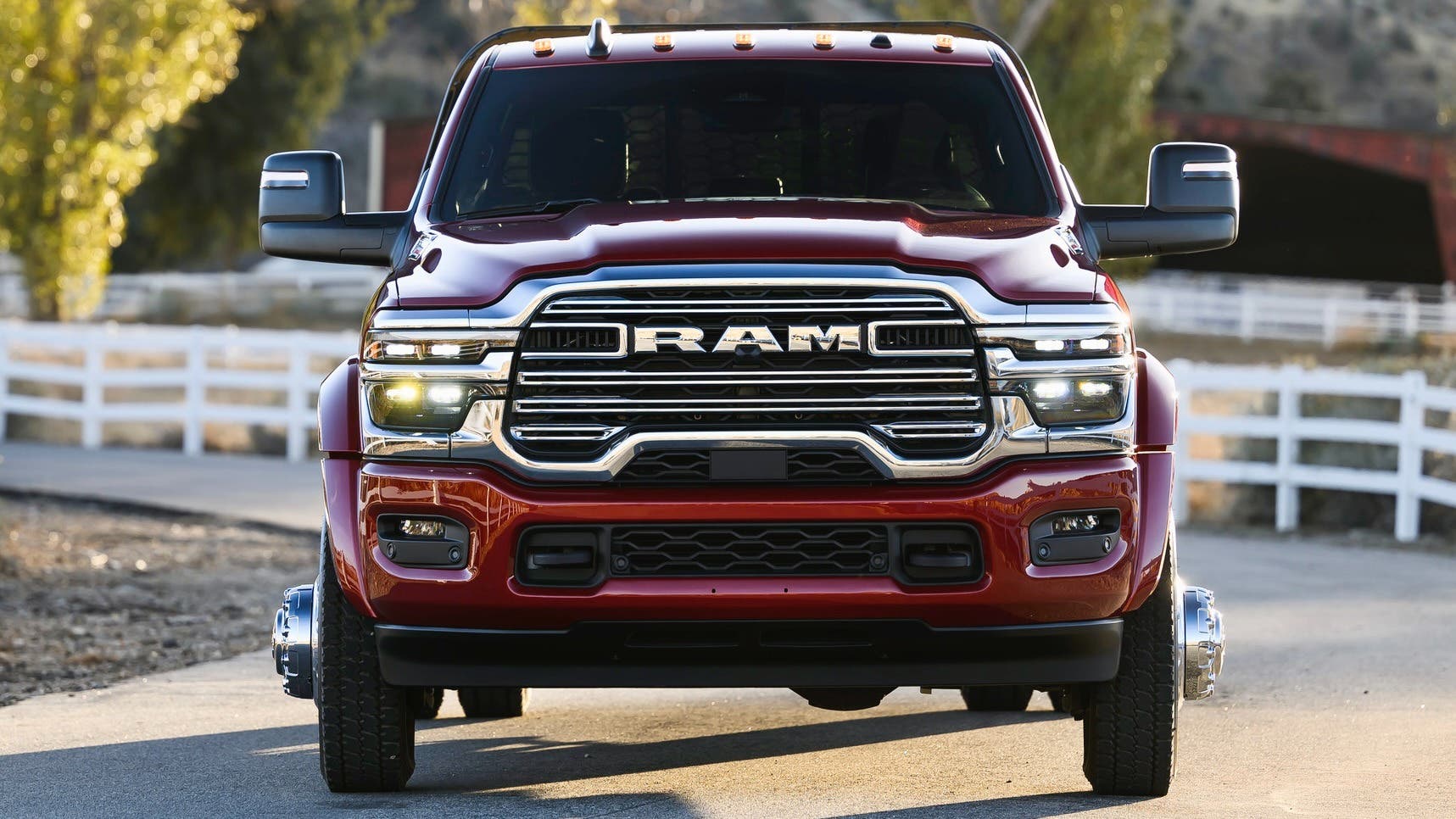
Last year in Detroit, Dave Stenson, a former General Motors executive with long experience in vehicle development, founded the startup ZMD Motors with the goal of developing an electric conversion kit for Ram 4500 and 5500 HD trucks, the medium-duty work vehicles that for years have stood as a benchmark in professional towing and heavy urban-duty work thanks to their Cummins diesel engines. The project calls for ZMD to receive a rolling chassis from Ram through a ship-thru logistics process, install the battery pack and electric propulsion system, and deliver the finished vehicle to dealers and end customers.
Former GM executive launches EV conversion plan for Ram HD trucks
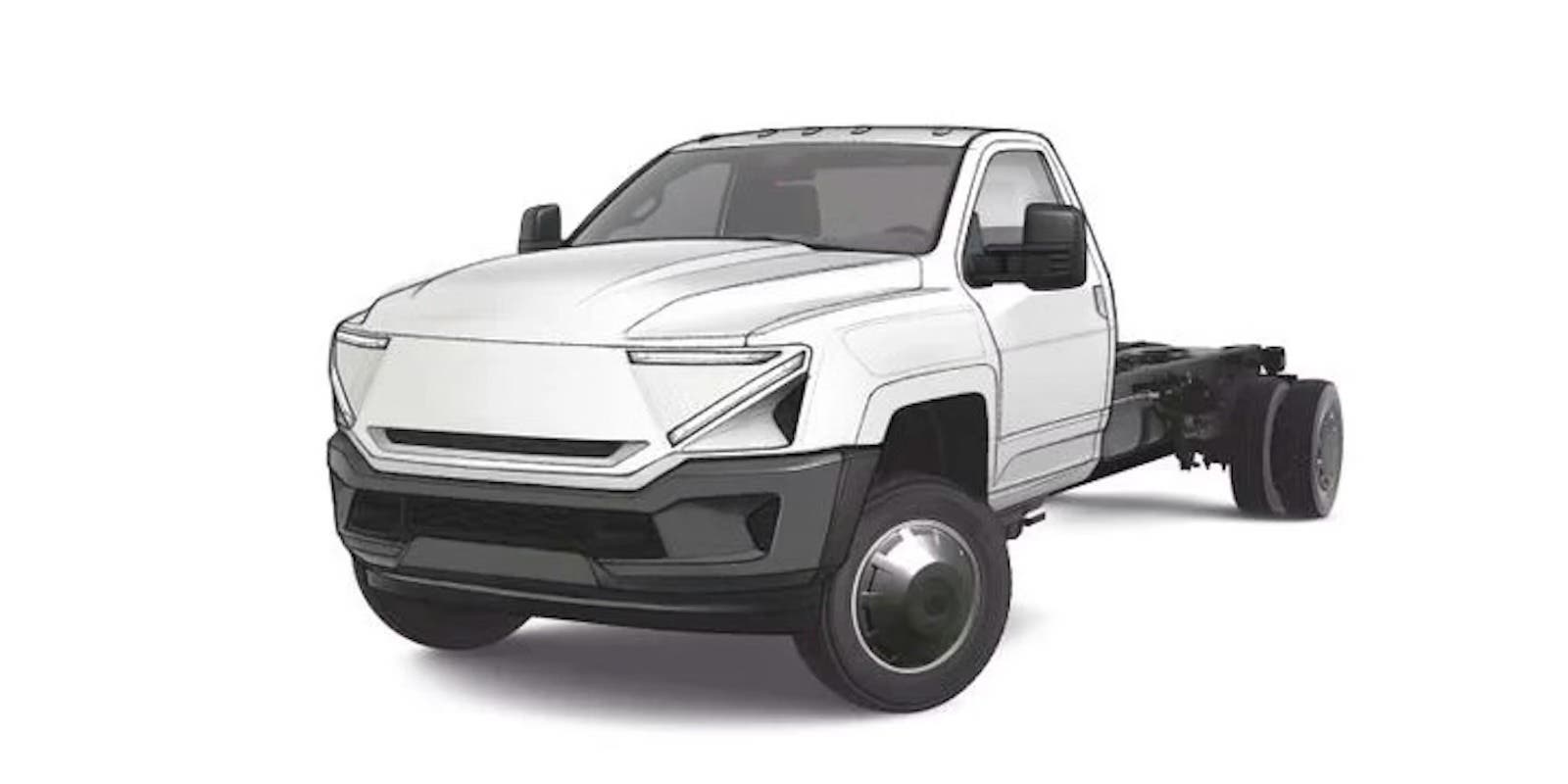
The idea comes from the view that professional fleet operators, especially those involved in urban towing, currently have very few electrified alternatives, while Ram’s own plans in this segment continue to face delays that translate into real costs for businesses dealing with constantly rising fuel prices.
These vehicles cover long distances, often idle for hours, and operate in urban areas where people are paying closer attention to diesel noise and emissions. On paper, those characteristics make them interesting candidates for a shift to battery power. Stenson believes ZMD could also work as a bridge platform for major automakers, giving them a quicker entry into the segment through electrified vehicles based on existing architectures.
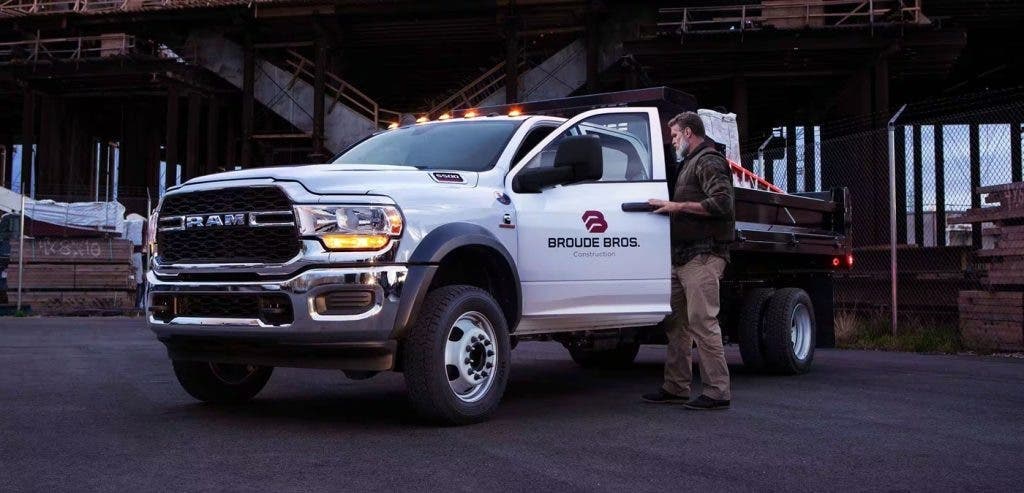
For now, however, the project remains at a very early stage. The company has not shared information about batteries, motors, range, or the system’s technical architecture, and it remains unclear whether the trucks will use electric axles, a central motor linked to a traditional transmission, or different solutions. Stenson said potential investors have already shown interest, but before launching a fundraising effort he would prefer to secure a commitment from a major automaker.
The market already includes companies that offer electric conversions or battery-powered work trucks based on established-brand chassis, yet those solutions have not reached significant volumes so far. That precedent makes it fair to question ZMD’s real chances of standing out in a sector that remains complex both from an industrial and a commercial point of view.