

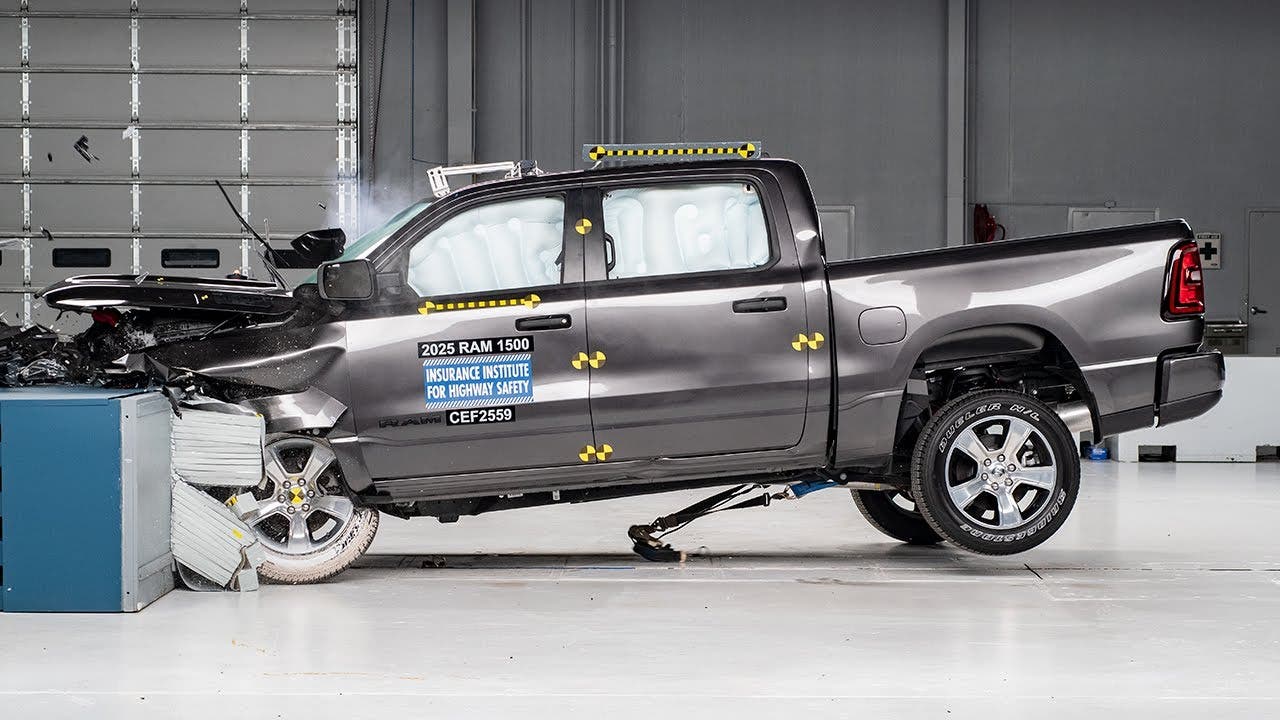
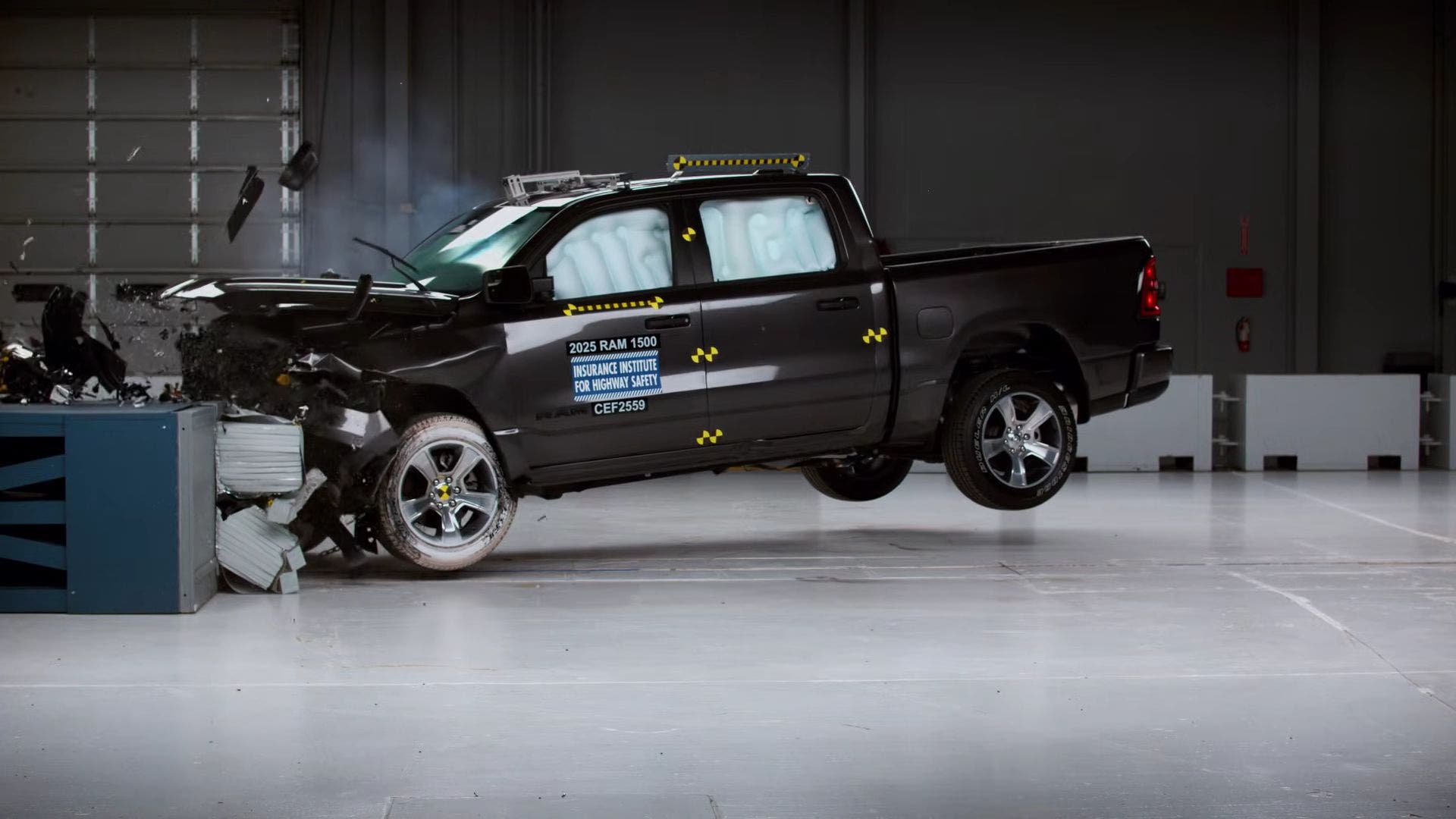
The 2025 Ram 1500 is a masterclass in contradiction. It offers enough horsepower to restart a dead planet, yet it can’t quite figure out how to keep a rear passenger’s seatbelt in the right place. According to the latest Insurance Institute for Highway Safety (IIHS) reports, the popular Crew Cab pickup has a bit of a “slippery” situation in the back.
During moderate overlap crash tests, the shoulder belt reportedly migrated from the chest to the neck, while the lap belt decided the abdomen was a better resting place than the pelvis. It’s the kind of high-stakes wardrobe malfunction no passenger ever wants to experience.
These safety concerns aren’t just a 2025 problem. They are expected to carry over into the 2026 model year. This is particularly ironic because 2026 is shaping up to be a legendary year for fans of internal combustion. Stellantis is set to resume production of the iconic HEMI 5.7-liter V8 in January 2026, and the apex predator of the lineup, the TRX, is returning to join the six-cylinder RHO. With a projected output of 720 HP, the TRX will likely command an eye-watering price tag, especially if you opt for the 37-inch tire package.
While the Ram 1500 DT generation passed the updated side impact and small overlap front tests with flying colors, the rest of the report card is messy. The IIHS gave the truck a “poor” rating for child seat anchors, which are buried so deep in the seat they might as well be hidden treasure, and for its lackluster seatbelt reminders.
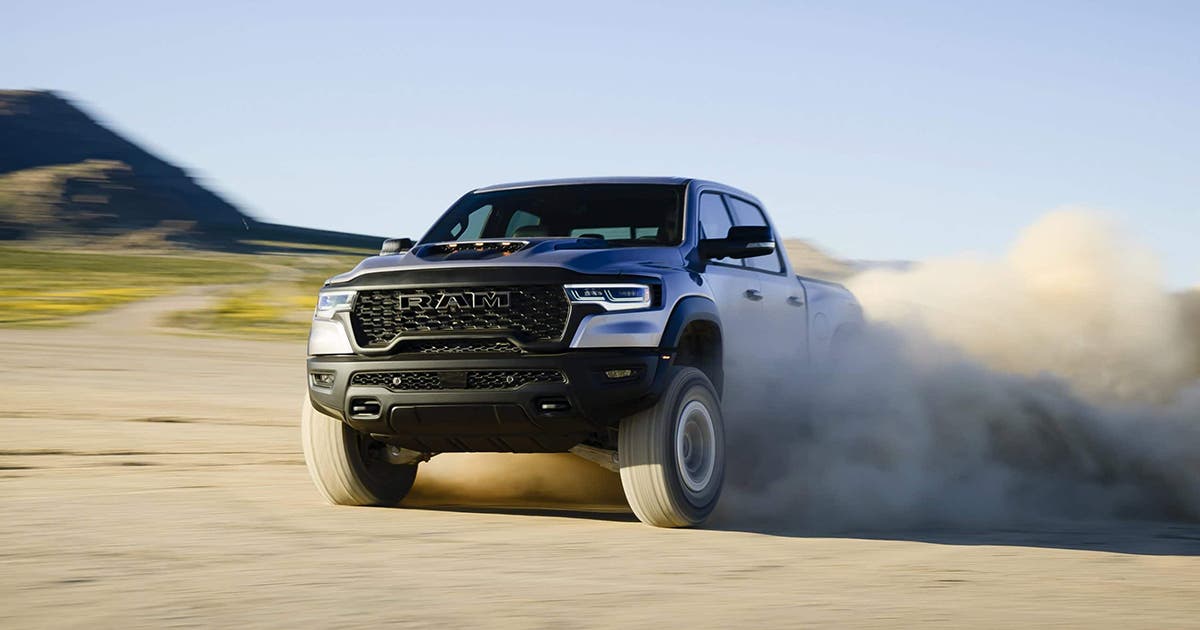
On the bright side, the lighting is improved. If you spring for the luxury trims like the Limited, RHO, or the ultra-plush Tungsten, you get high-performance LED projector headlights. Even the work-focused Tradesman and Big Horn come with decent LED reflectors. But it’s a shame that while Ram has made it easier to see the road ahead, they’ve made it harder for parents to secure a car seat in the back.