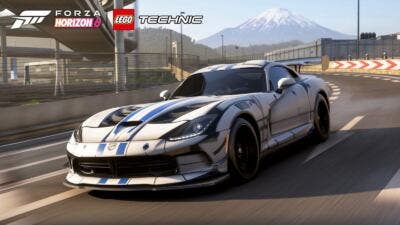
Dodge, LEGO and Microsoft have brought the Viper back through a collaboration connecting Forza Horizon 6 with an 805-piece LEGO Technic model. Since August 1, 2026, players have been able to download a 2016 Dodge Viper ACR wearing an exclusive LEGO-inspired livery, while builders can recreate the related GTS-R Sports Car with LEGO Technic set 42234.
Dodge brings the Viper back through Forza Horizon 6 and LEGO
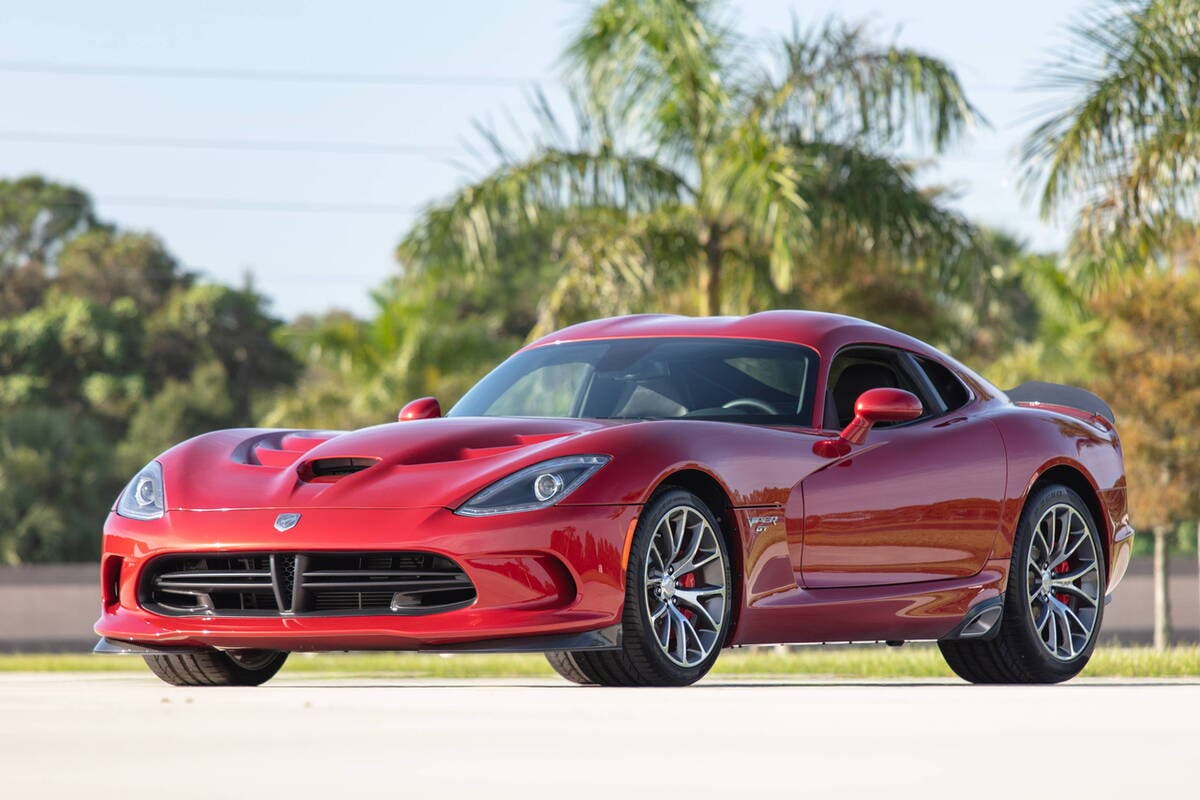
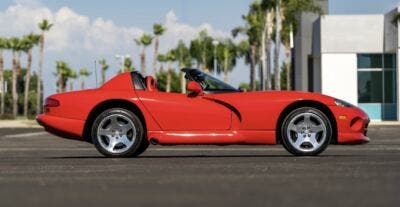
The digital car represents the most track-focused street-legal version of the fifth-generation Viper. Its hand-built, naturally aspirated 8.4-liter V10 produces 645 hp and 600 lb-ft of torque, giving the ACR the raw and uncompromising character that made it stand apart even among American performance cars. The exclusive graphics connect that mechanical package with the visual identity of the Technic model.
LEGO designed the physical model for builders ages 10 and older. Its 805 pieces reproduce several functional details, including a V10 engine with moving pistons, a working differential and opening doors. The hood also opens, while the large rear wing reflects the aerodynamic focus of the competition-inspired GTS-R design. The completed model measures about 11.5 inches long, 5 inches wide and slightly more than 3 inches tall.
The set costs $64.99 in the United States. Instructions inside the box explain how to unlock the special LEGO Technic livery in Forza Horizon 6, although players still need a copy of the game. The feature creates a direct connection between the model assembled at home and the full-size virtual car driven in the game.
The ACR name, short for American Club Racer, first appeared on the Viper for the 1999 model year. Dodge used the formula to turn an already demanding sports car into a lighter, more precise and more track-focused machine. Later generations combined massive V10 power with racing suspension and increasingly aggressive aerodynamics.
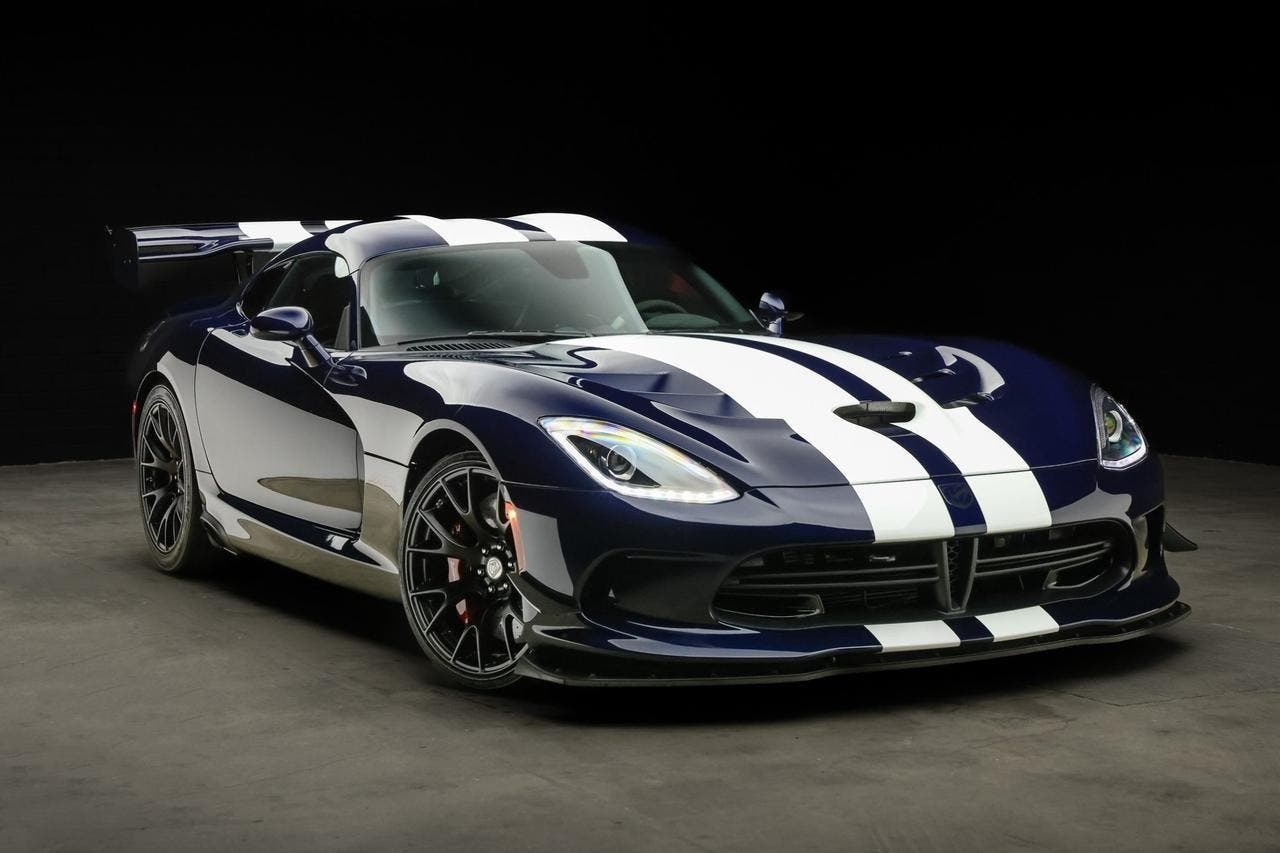
Those developments helped the Viper ACR set records at six North American tracks, including Laguna Seca, Sonoma Raceway and Virginia International Raceway. Its combination of side-exit exhausts, extreme downforce and naturally aspirated power made it one of the most capable American track cars ever approved for road use.
Dodge CEO Matt McAlear described the project as a way to introduce younger fans to the brand’s performance heritage by combining virtual driving with LEGO creativity. The collaboration revives the Viper in two accessible forms even though Dodge ended production of the original sports car in 2017.
Dodge’s current performance lineup follows a different path through the 420-hp and 550-hp Charger SIXPACK models, the 670-hp electric Charger Daytona Scat Pack and the 710-hp Durango SRT Hellcat. None directly replaces the Viper’s two-seat, naturally aspirated formula, which helps explain why the ACR remains such a powerful reference for Dodge enthusiasts.