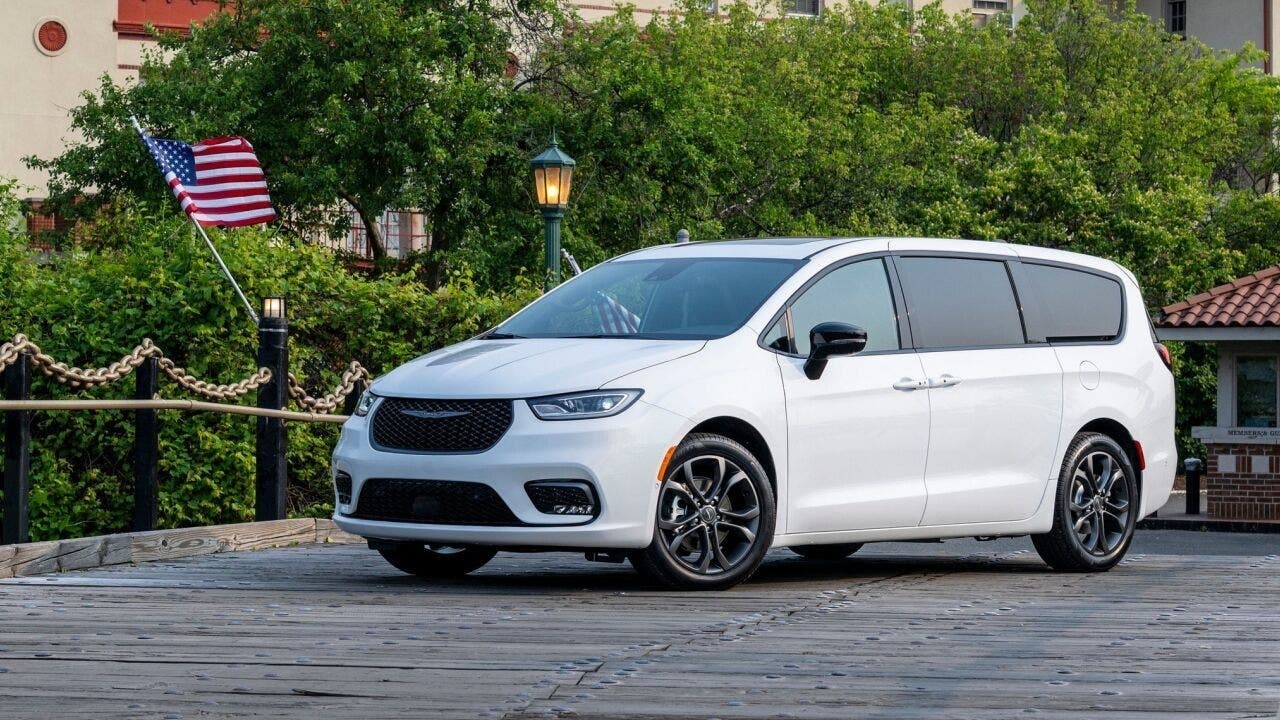
For years, Chrysler has existed in a state of purgatory, clinging to life with just two models, the Pacifica and Voyager, a faint echo of its former glory as one of America’s “Big Three”. Following years of corporate mergers, from Daimler to Fiat, and now under Stellantis, the brand hasn’t produced anything genuinely exciting since the 300C finally bowed out in 2023. However, according to CEO Christine Feuell, those days of slow, steady obsolescence are over.
Feuell was quick to squash any rumors of the brand’s demise, asserting that Chrysler is absolutely not for sale and is committed to a major revitalization plan. With Antonio Filosa now at the helm of Stellantis, she confirmed the company is doubling down on investment to “regain leadership across our brands” in North America.

The core of the Chrysler comeback plan is threefold, performance, diversity, and affordability. On the performance front, Feuell confirmed that the brand will once again lean into its muscle heritage, explicitly stating we can expect to see some SRT-badged Chrysler models. With the appointment of performance “mastermind” Tim Kuniskis to lead the tuning division, the potential for exciting vehicles is real. But the most enticing possibility is the return of the mighty 300C.
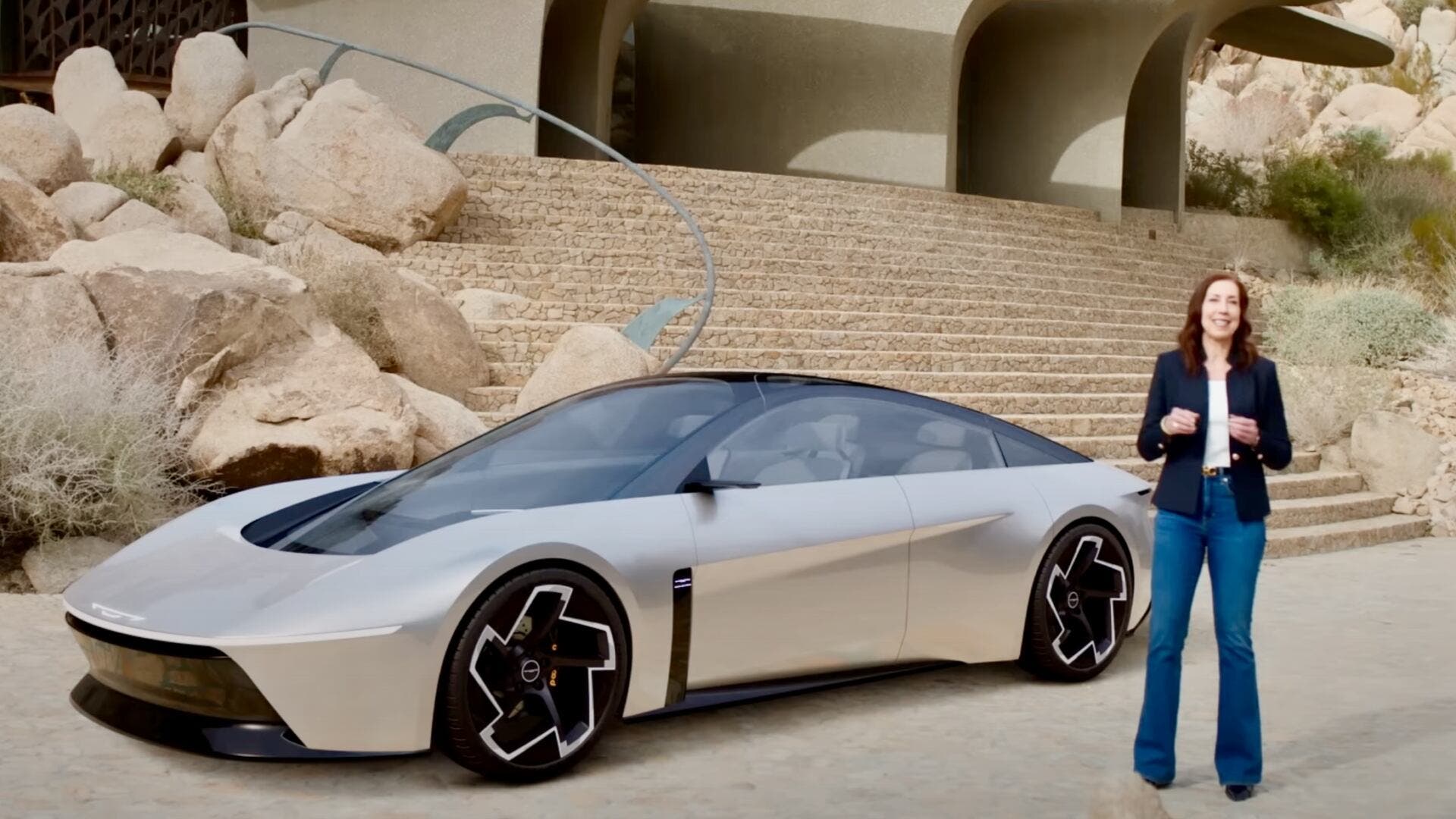
Chrysler is diversifying its lineup well beyond minivans. By adopting a mixed-energy approach, similar to Stellantis stablemate Alfa Romeo, the brand can launch new internal combustion models alongside electric ones like the Airflow and Halcyon concepts, ensuring wider market appeal.
Finally, and most ambitiously, Chrysler intends to revive the concept of “working-class luxury” by prioritizing affordability. Feuell announced plans for a “small car that can be priced under $30,000”, a vehicle that will be “beautiful, fun to drive, and aspirational”. This $30,000 Chrysler is designed to restore pride in the badge, ensuring that the next generation of American buyers can aspire to own something legitimately cool and relevant.