In the United States, a topic is gaining increasing attention while it remains largely overlooked in Europe. Many BMW dealers believe the brand lacks a true flagship SUV capable of competing head-to-head with America’s full-size giants. Kirk Cordill, a key figure within BMW’s U.S. dealer network, recently brought the issue into the spotlight, voicing the growing frustration among retailers.
BMW dealers say the brand needs a bigger SUV for the U.S. market
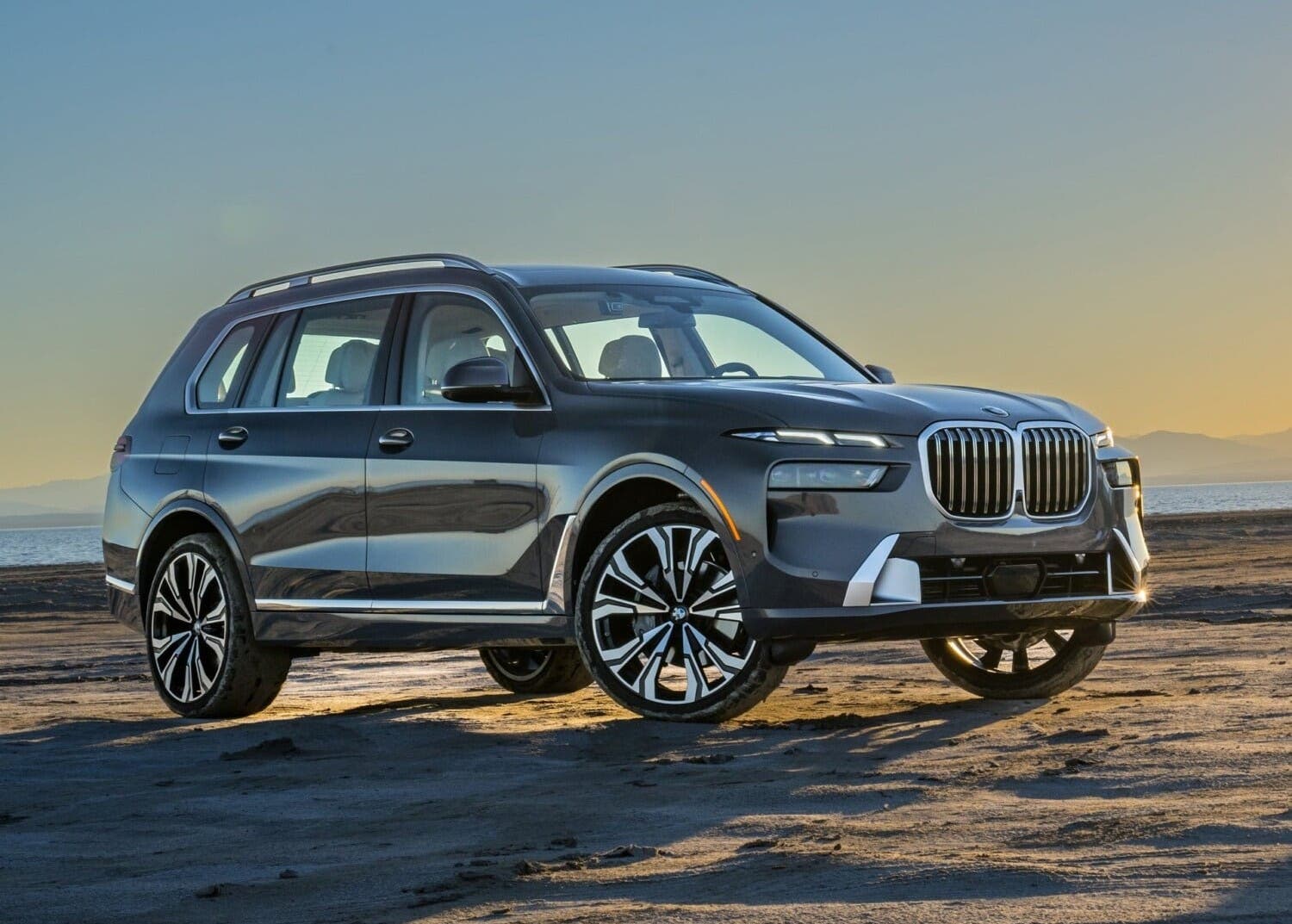
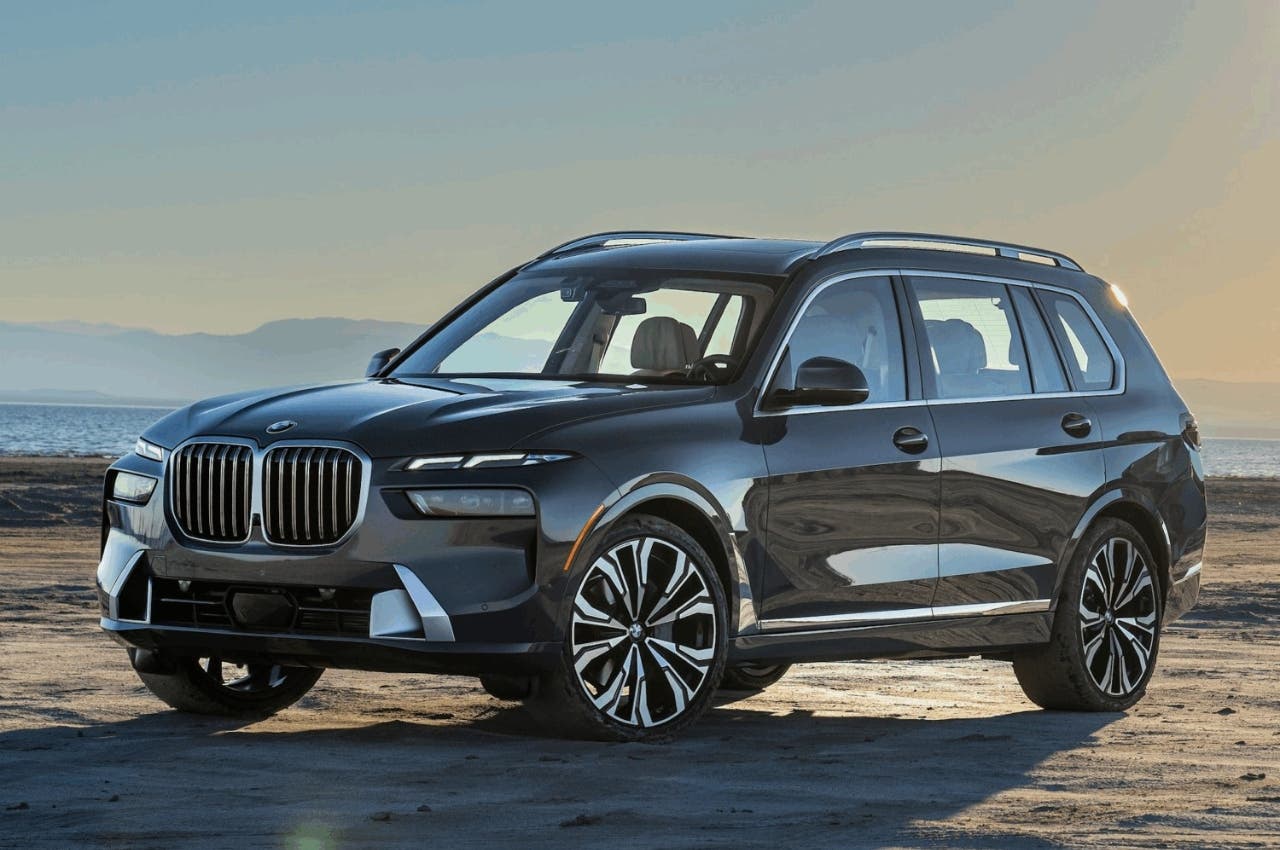
The problem does not lie in the quality of the BMW X7, which remains a well-built and modern vehicle, but in its size. What European customers consider a large SUV, American buyers often see as only adequate. This gap in perception creates real commercial challenges. According to Cordill, many customers walk into dealerships looking for a full-size SUV, only to leave empty-handed because they do not find a model that truly matches what domestic brands offer.
The comparison with the Cadillac Escalade highlights the issue clearly. GM’s flagship SUV is longer, wider, and taller than the X7, and most importantly, it offers significantly more usable space behind the third row. That factor plays a crucial role for U.S. buyers, who often value cargo capacity as much as, if not more than, performance or technology. With all seats in use, the X7’s cargo area falls short compared to its rivals, pushing many customers toward Cadillac, Lincoln, or Infiniti. That represents a serious issue, especially given the high profit margins in this segment.
This situation has sparked discussions about expanding BMW’s SUV lineup even further. The idea of a future X9 has circulated for some time, although BMW has so far approached the concept cautiously. Developing such a vehicle would mean investing in a model designed almost exclusively for the American market, a decision that requires both strategic clarity and long-term commitment.
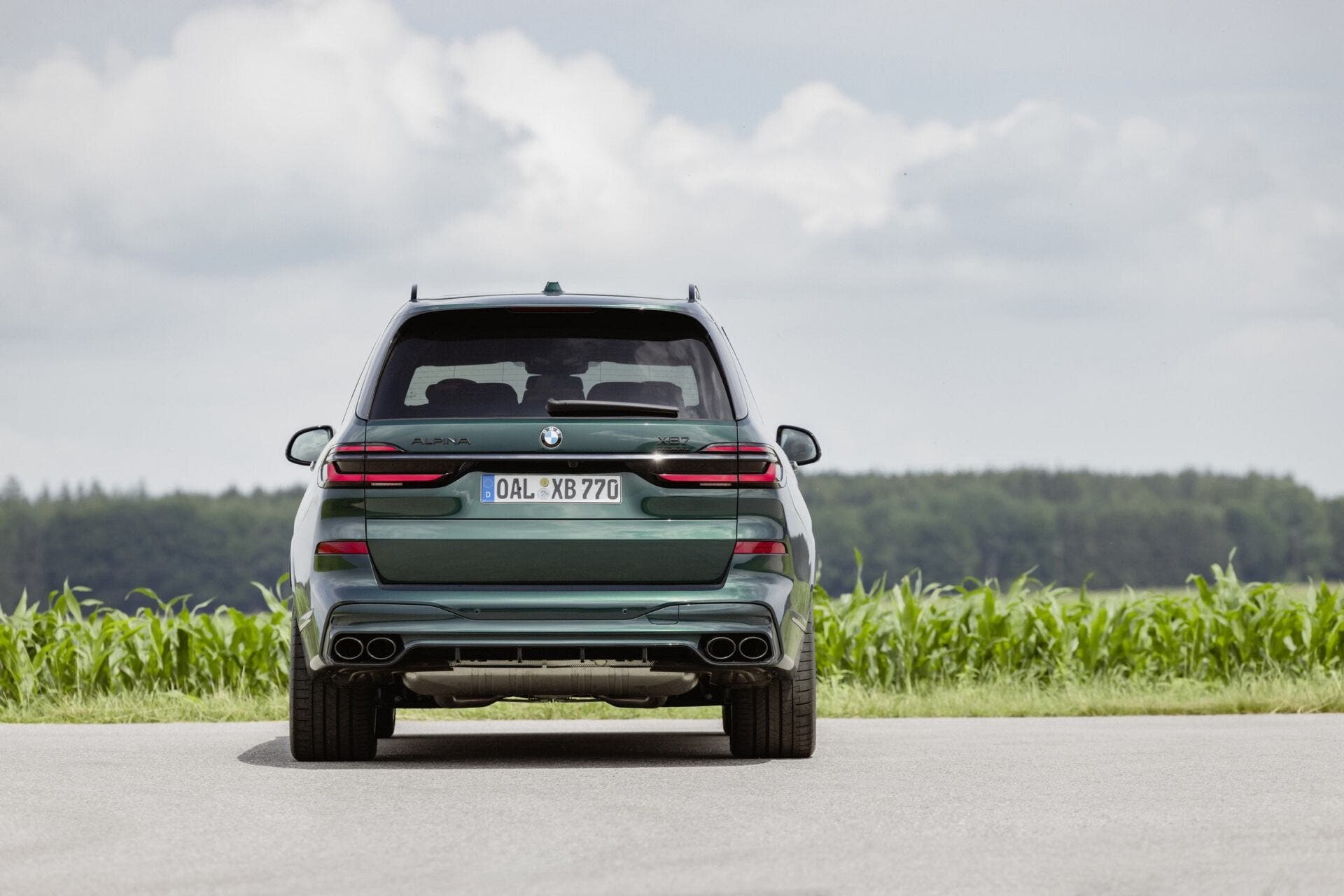
That is where Alpina could enter the picture. With its full integration into the BMW Group scheduled for 2026, the brand will position itself between BMW and Rolls-Royce. This placement could make Alpina the ideal candidate to develop a large luxury SUV, more imposing and more exclusive than the X7, without diluting BMW’s core identity. Such a model could easily target higher price brackets, offering the level of comfort, performance, and prestige expected by American buyers.
For BMW, this would represent a delicate but potentially decisive move. North America remains the most profitable market for large SUVs, and continuing to ignore that demand would mean leaving valuable ground to competitors. Dealers appear ready, customers are waiting, and now the question is whether BMW is willing to embrace a vehicle designed primarily for the U.S. market, even if that means moving slightly away from its traditional European roots.