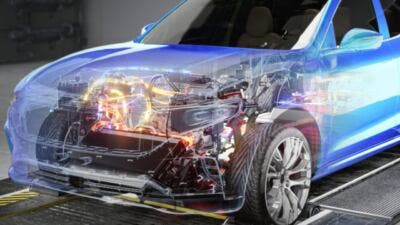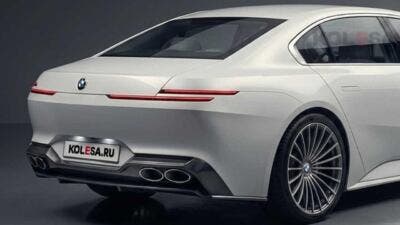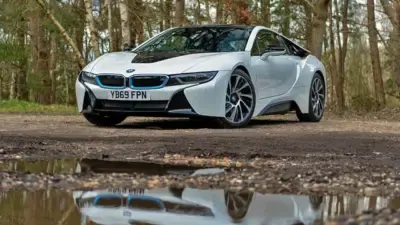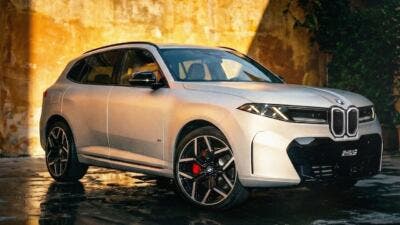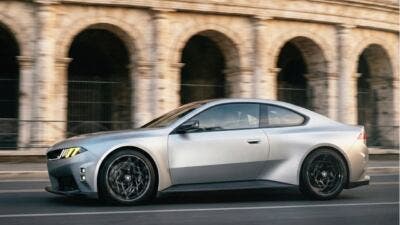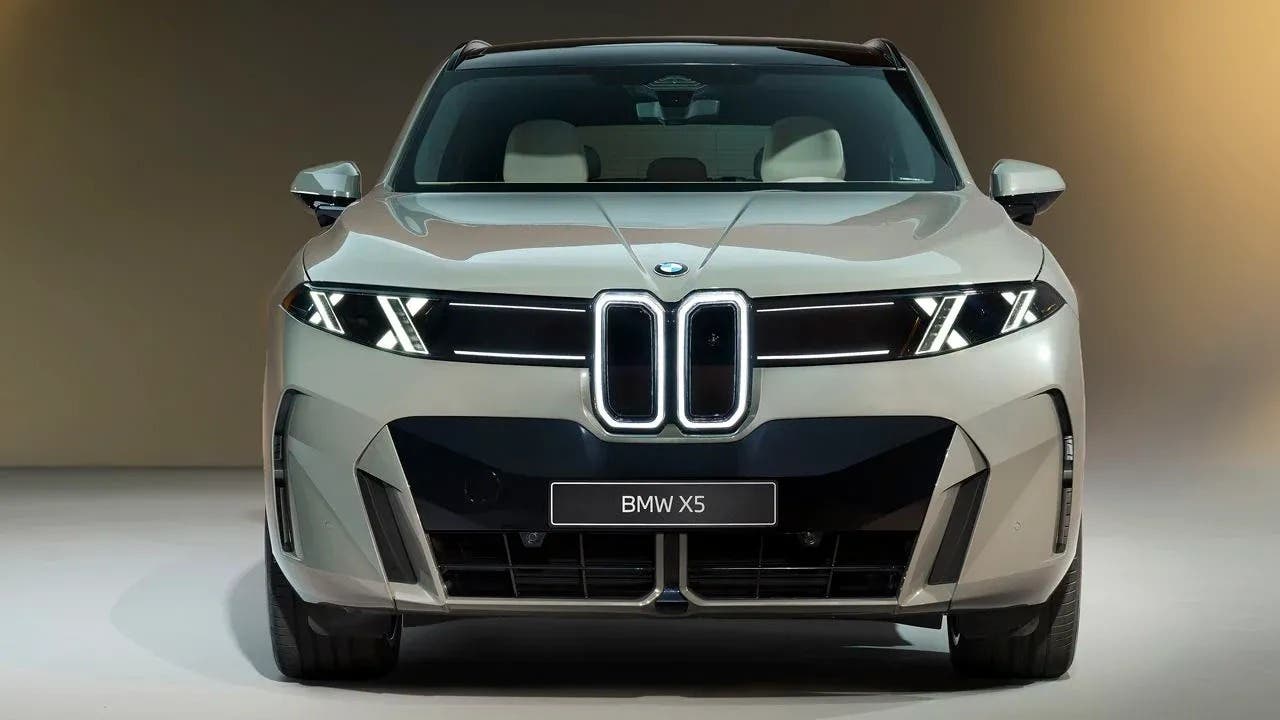
BMW has confirmed that the new X5 range will include gasoline, diesel, plug-in hybrid, the fully electric iX5 and, from 2028, a hydrogen version as well. The German SUV will therefore avoid relying on a single technology and instead bring together very different powertrain solutions, with the iX5 standing out as the most important new addition to this generation.
New BMW iX5 promises 525 miles of range and the biggest battery ever fitted to an electric BMW
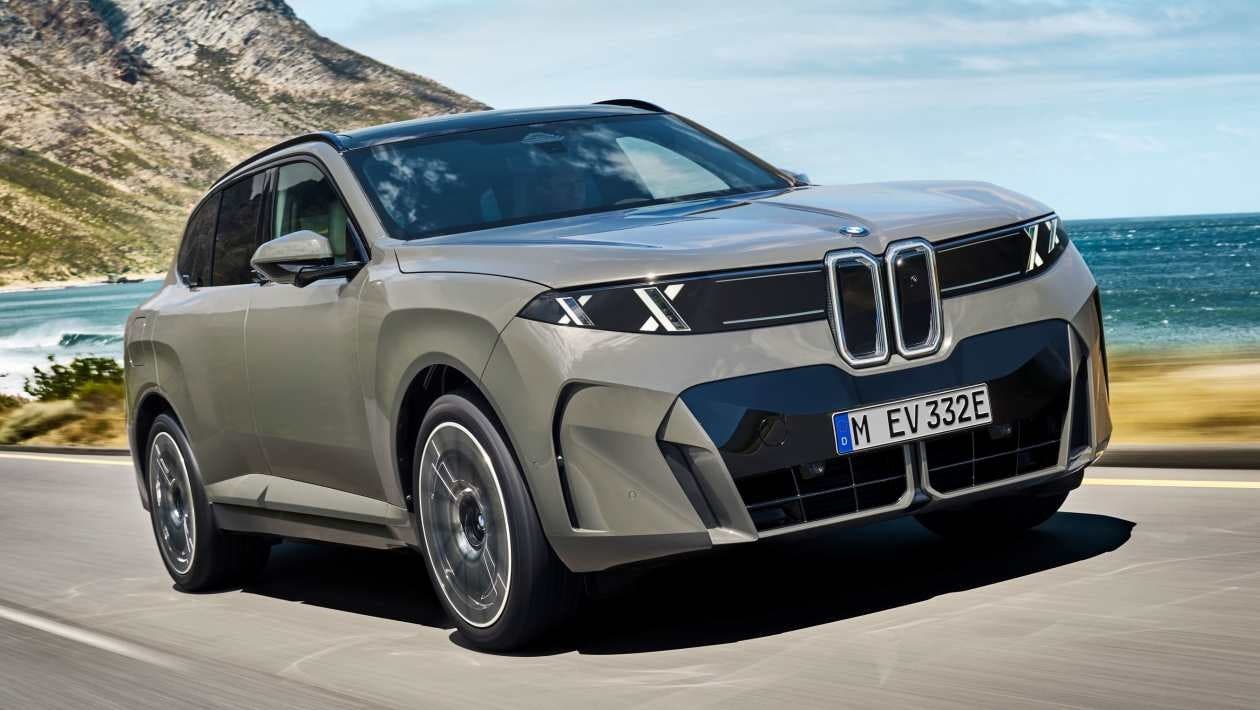
Unlike the i3 and iX3, which were developed as standalone projects, the iX5 will share its platform and design language with the combustion and electrified versions. It will keep a common identity while radically changing what sits beneath the bodywork. The design moves closer to BMW’s latest electric models, with clean surfaces, slim lighting units and a reinterpreted grille that, on the iX5, remains closed as expected on a battery-electric model. The double-X light signature becomes the front end’s defining element, while pillar-integrated door handles and cleaner window profiles update a side view that still keeps generous wheel arches, with wheels reportedly available up to 23 inches.
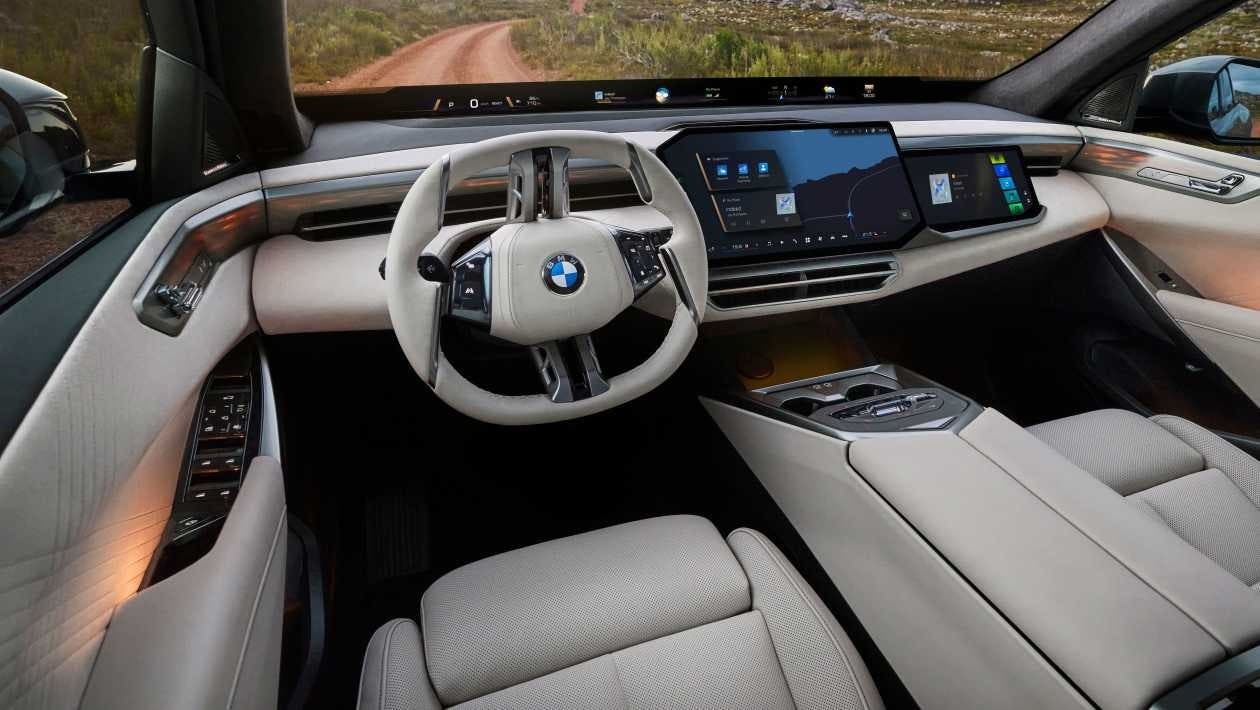
The cabin also changes significantly thanks to BMW Panoramic iDrive, which introduces a panoramic display at the base of the windshield alongside a dedicated passenger screen, designed for entertainment during longer journeys.
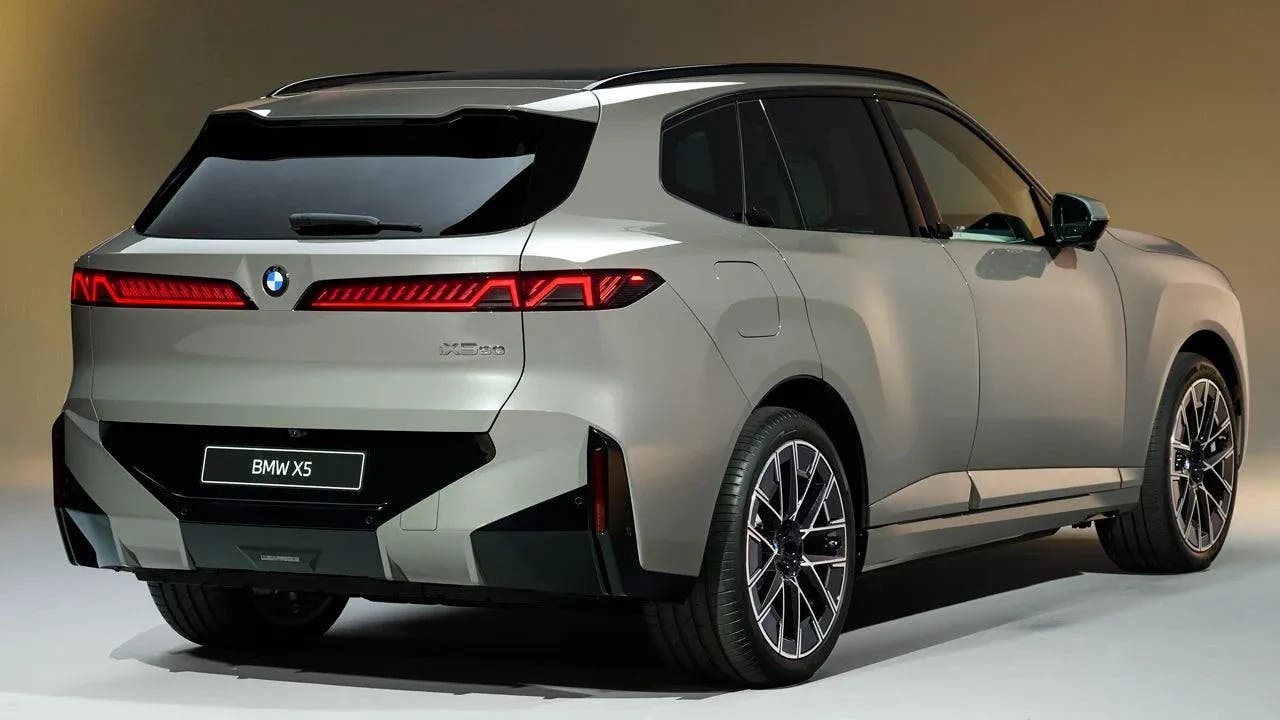
The iX5 60 xDrive should become the main electric version, with two electric motors and all-wheel drive producing around 570 hp and a torque figure expected to exceed 590 lb-ft. That should allow a 0-62 mph time of around 4.6 seconds and a top speed of about 130 mph.
The most striking figure, however, concerns the 141-kWh usable battery in Europe, the largest ever installed in an electric BMW. It should deliver up to 525 miles of WLTP range, although that figure will likely drop with the largest wheels. The 800-volt architecture should allow DC fast charging at up to 460 kW, significantly reducing charging stops relative to the battery’s size.
Alongside the electric version, BMW will continue to offer 48-volt mild-hybrid gasoline and diesel engines for markets and customers not yet ready to move fully to battery power. A plug-in hybrid version should arrive in 2027 with a turbocharged six-cylinder engine and total output close to 483 hp. Finally, in 2028, BMW will launch the iX5 Hydrogen, its first series-production hydrogen model, with a new-generation fuel-cell system and high-pressure tanks integrated to limit the impact on interior space.