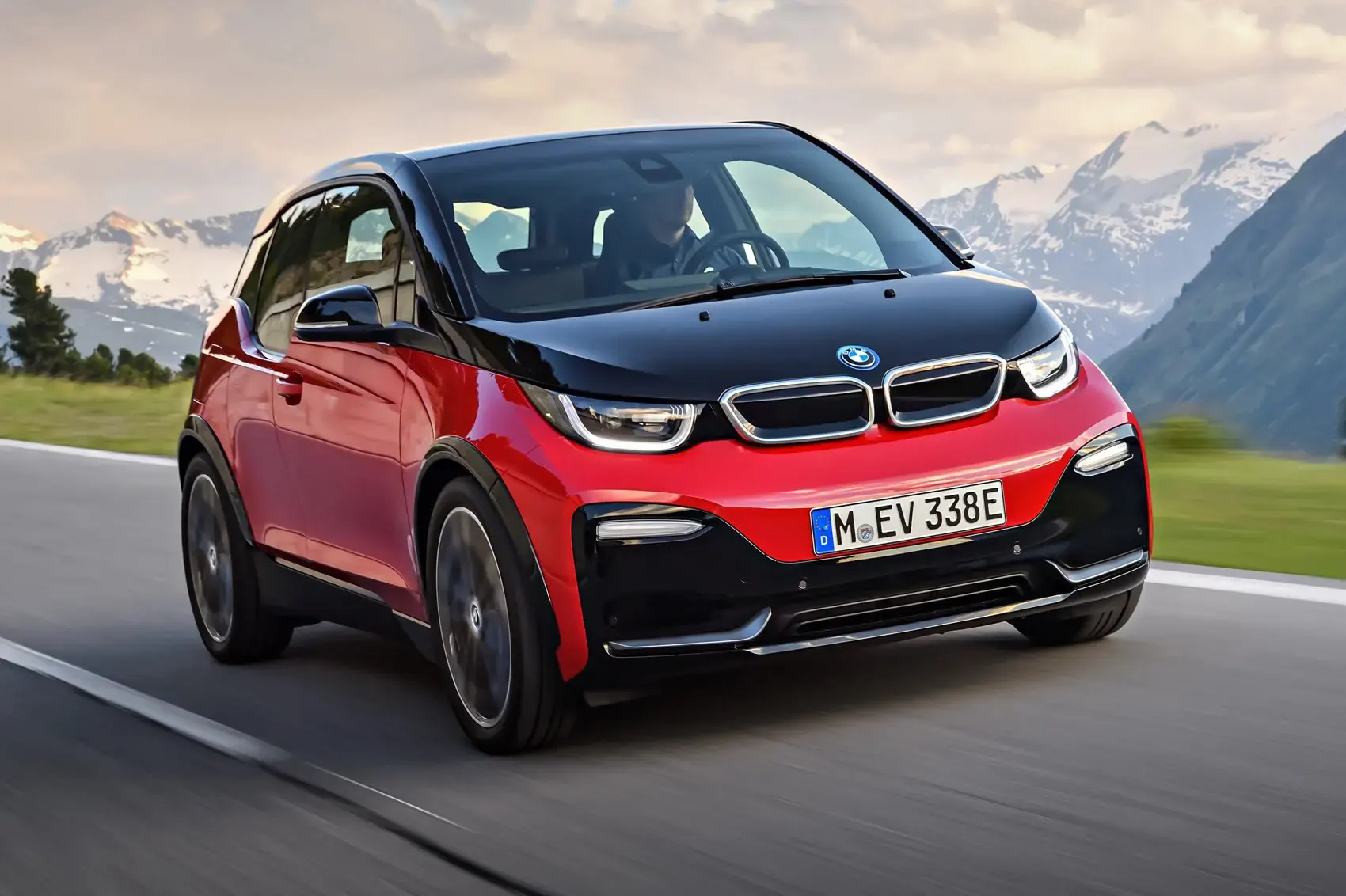
BMW solved range anxiety over a decade ago. Nobody remembers, and BMW would probably prefer it that way. The i3 REx, a compact electric city car with a 650cc two-cylinder engine borrowed straight from the Motorrad division, wasn’t a hybrid in any traditional sense. The engine never touched the wheels. It was a generator, pure and simple, there to keep the battery alive.
It was the world’s first purpose-built range extender EV, and it worked. Then BMW discontinued the REx quietly, a few years before pulling the plug on the i3 itself in 2022.
Now range extenders are having a moment. Chinese automakers are doubling down on the technology, European manufacturers are reconsidering it, and the automotive press has rediscovered the concept like it’s a brand-new idea. BMW, naturally, is looking the other way.
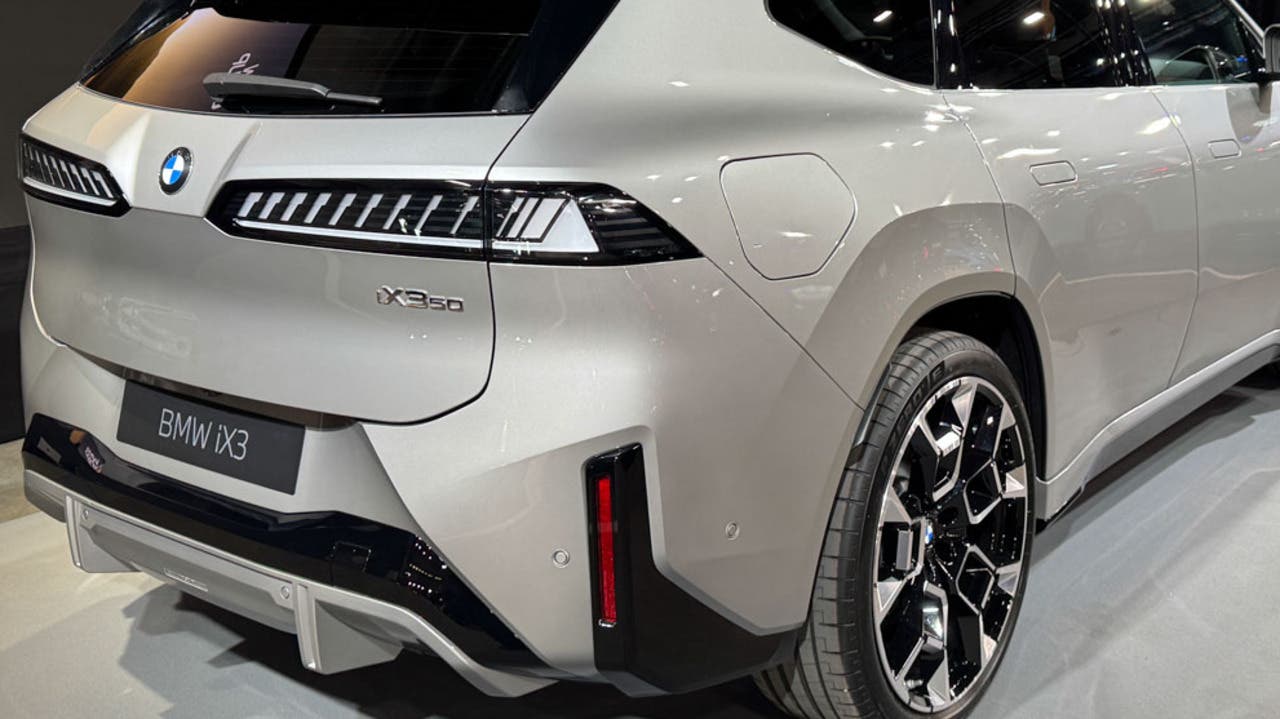
Not out of stubbornness. Out of math, or so the argument goes. R&D chief Joachim Post, speaking at the company’s annual conference, stated the case clearly: with the Neue Klasse platform and BMW’s sixth-generation battery cells, the brand expects to comfortably exceed 800 kilometers of range while offering charging speeds up to 400 kW. The second-generation iX3 xDrive already declares 805 km on the WLTP cycle. A lighter rear-wheel-drive single-motor variant could push that further.
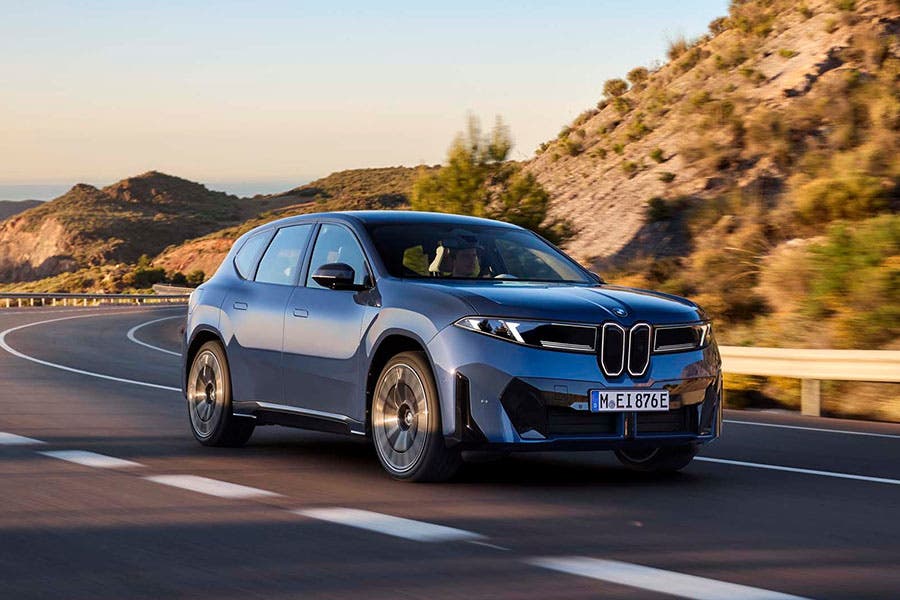
The problem is that 400 kW charging infrastructure exists in roughly the same density as good airport food. Across large parts of the world, even standard fast chargers are optimistic fiction. Post acknowledges the gap without dwelling on it, leaving the door slightly ajar: “We’ll keep an eye on all available options”.
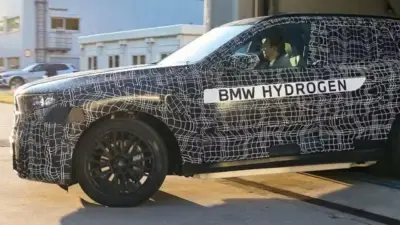
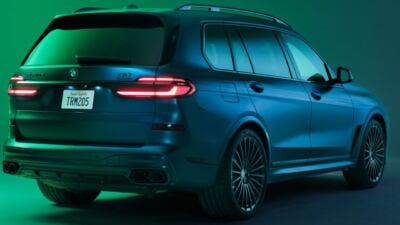
If a range extender were ever to return to the BMW lineup, the X5 or X7 would be the natural candidates. The new X5 G65 arrives this year, the X7 G67 follows in 2027, both launching without an extender for now. The bigger bet on the X5 nameplate is a different kind of powertrain entirely. The iX5 50H xDrive, a hydrogen fuel cell SUV developed in partnership with Toyota, due in 2028.