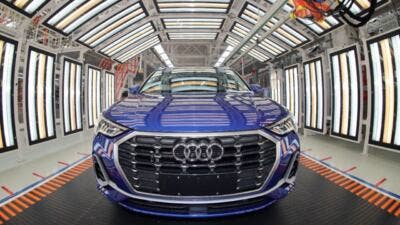
Oliver Blume, the man currently steering the Volkswagen Group ship, has officially slammed the brakes on Audi’s US factory dreams. What looked like a “done deal” back in 2023 has dissolved into a fiscal nightmare faster than a cheap head gasket.
Apparently, the alluring promises of federal subsidies weren’t enough to offset the brutal reality of a 25% tariff on imported vehicles and light trucks. For a group that still insists on supplying the American market from its European bases, this tax isn’t just a hurdle. It’s a brick wall made of very expensive red tape.
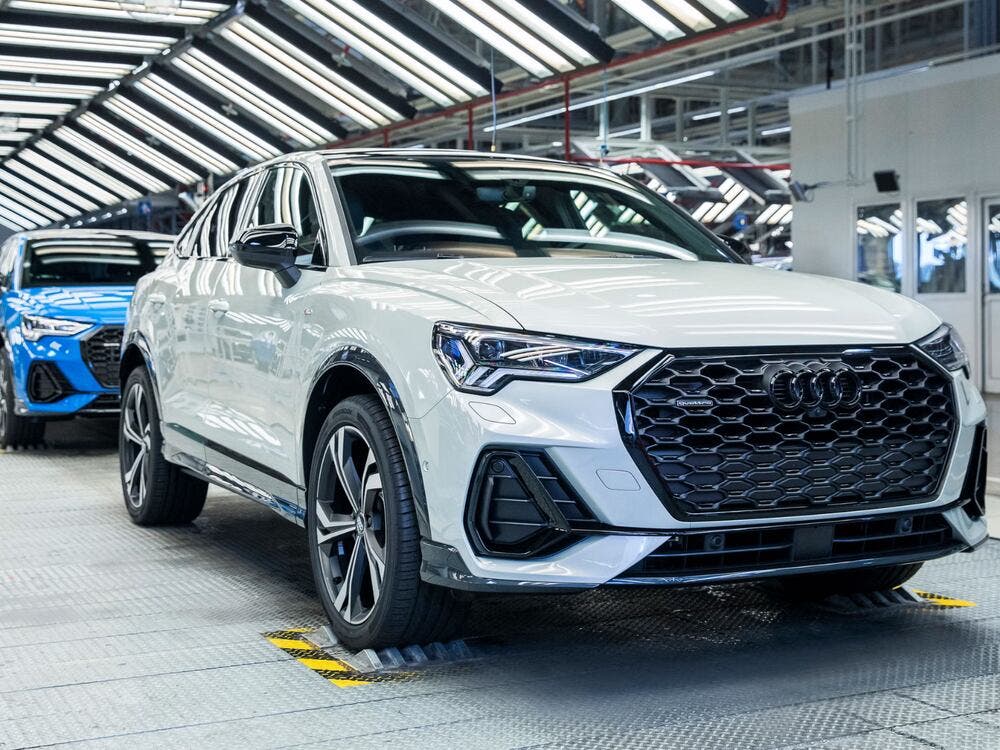
The financial data is enough to make any CFO weep into their morning espresso. In the first nine months of 2025 alone, these import duties sucked a staggering 2.1 billion euros directly out of Volkswagen’s cash reserves. Blume, speaking with uncharacteristic bluntness, essentially noted that building a factory in this climate of “fiscal uncertainty” makes about as much sense as putting a screen door on a submarine. Consequently, the bulldozers are staying in the garage until Washington decides to stop treated European cars like contraband.
The situation at the border is reaching a breaking point. Audi has effectively gone on strike at American ports, refusing to clear newly arrived vehicles to avoid the devastating new tariffs. This has led to a physical paralysis of cargo, turning US port storage areas into the world’s most expensive, gridlocked luxury parking lots. While VW is the first to publicly freeze investment, everyone is watching their historically lush American profit margins evaporate under this tariff barrier, leading to a predictable collapse in competitiveness.
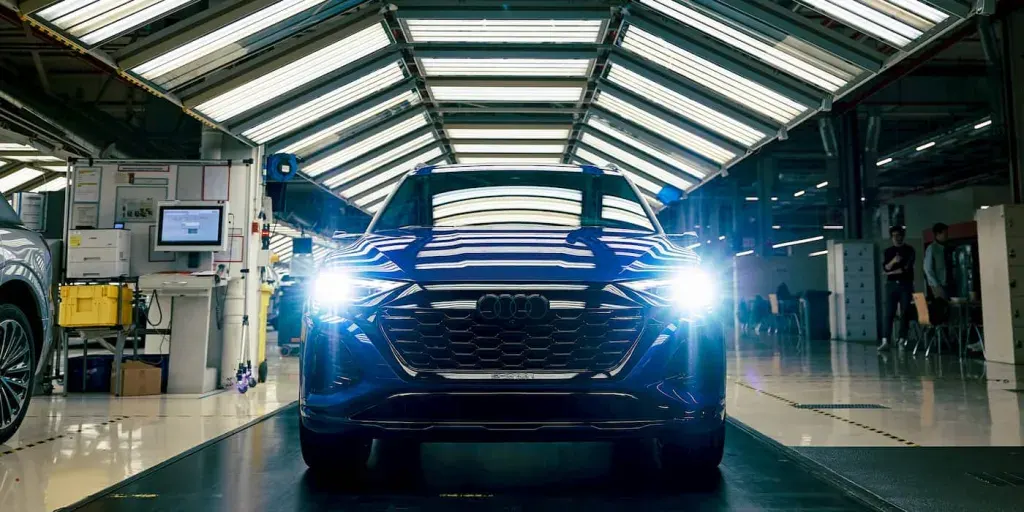
The European automotive industry is an organic, interconnected web. In the world of manufacturing, when Germany sneezes, France usually ends up in the ICU. While French brands don’t export many finished cars to the States, they are “Tier 1” suppliers for the German giants. Factories across France produce the engine blocks and chassis parts that live inside every Audi and BMW. No US exports mean no orders, which puts thousands of jobs in regions like Hauts-de-France and Auvergne-Rhône-Alpes at immediate risk of layoffs.
Brussels is currently playing the role of the patient diplomat, but they’ve already drafted a €93 billion “counter-measure” package targeting American tech, medical gear, and machinery. For now, the European Commission is holding its breath.