Amsterdam, for Stellantis, has officially become the high-tech confessional where the corporate elite go to atone for the original sin of a catastrophic 2025. Calling last year “horrible” isn’t just an automotive understatement; it’s a generous euphemism for a year that felt like a multi-car pileup in slow motion.
At the recent shareholder meeting, the atmosphere wasn’t one of a triumphant global powerhouse, but rather a somber rito of collective purification. John Elkann managed to clinch a 90% vote to keep his crown. The new gospel echoing through the Exor galaxy is “humility”. A word that has been absent from their vocabulary for so long.
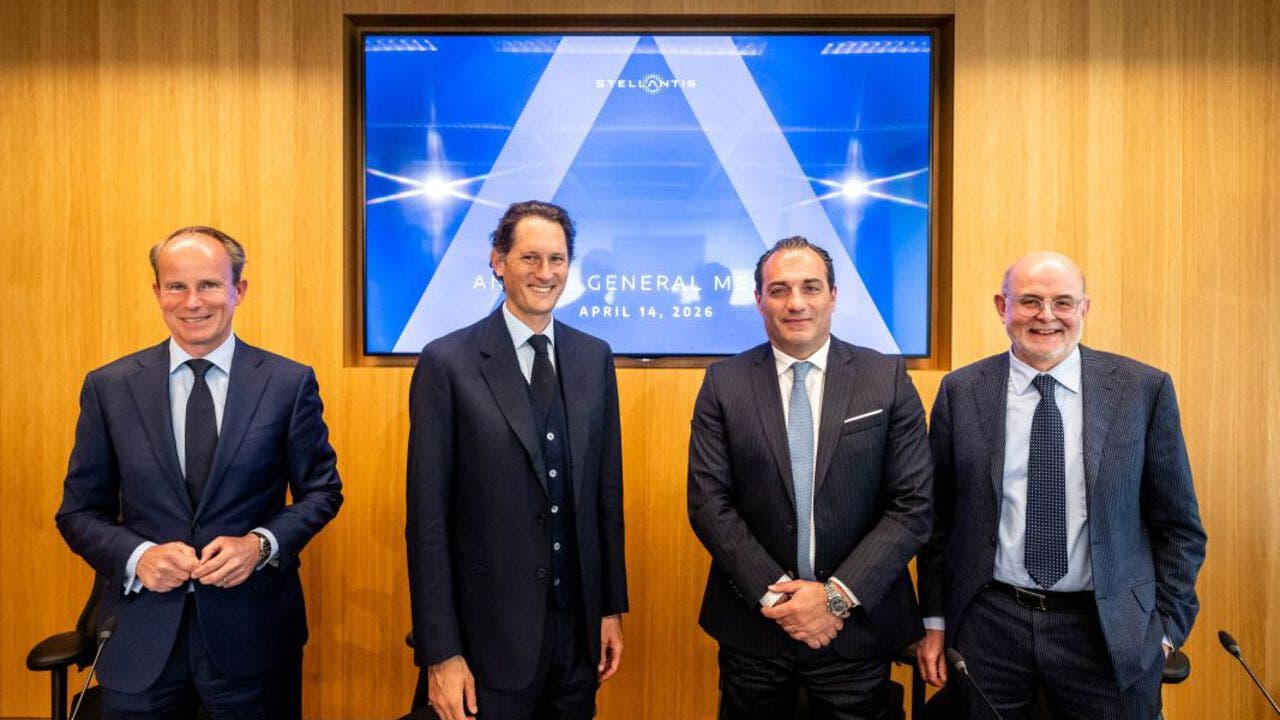
Antonio Filosa, the man now gripping the steering wheel, has inherited a vehicle that isn’t just smoking; it’s practically engulfed in flames. The 2025 “perfect storm” of fractured supply chains, the dizzying valzer of customs duties, and a regulatory landscape that turned car manufacturing into an exercise in tightrope walking over barbed wire was only half the problem. The Stellantis’ translation for this disaster is a “rethinking of the operating model.”
The previous regime under Carlos Tavares spent so much time sharpening the cost-cutting guillotine that they accidentally decapitated the brand’s identity and quality control. They ignored the real world, treating loyal customers like unwilling lab rats in a series of abstract industrial experiments that failed to launch.
Turning the page on this wreckage comes with a brutal price tag. The bill for this mechanical exorcism is a staggering €22 billion in charges, a sum Elkann calls “painful”, but which looks more like emergency surgery to amputate the gangrenous limbs of a “lean” strategy that left the company unable to walk.
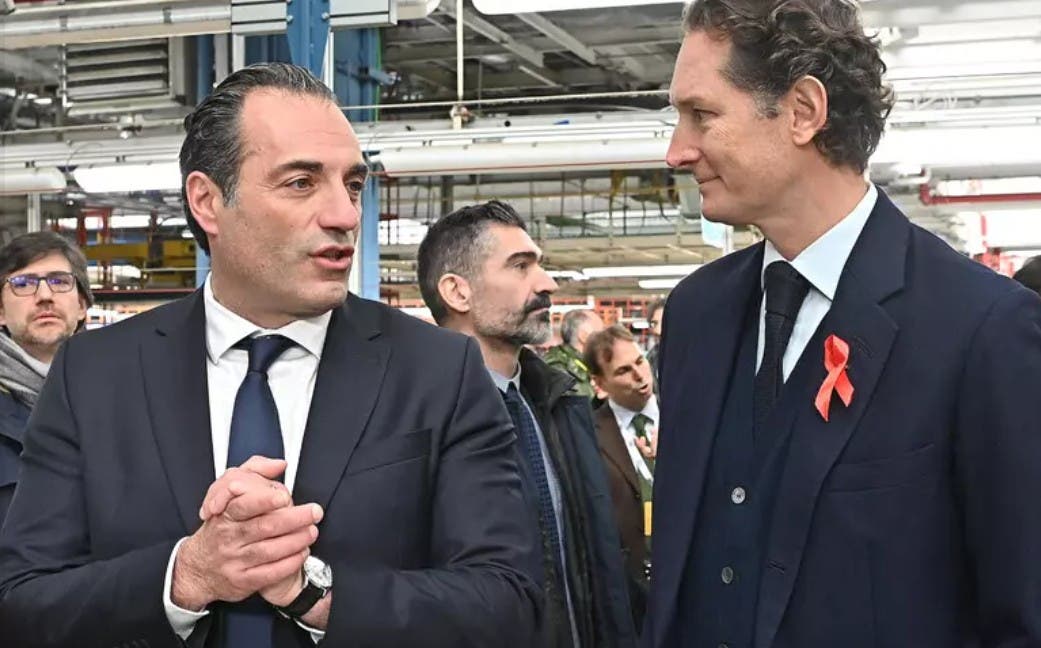
Amidst the debris, however, a few stubborn sprouts of life are appearing. The second half of the year showed a 10% revenue bump, and production volumes for Stellantis are finally gasping for air. The group is now shoving its last chips onto the green table with 10 new models, desperately trying to flirt with a market that still hasn’t decided if it wants the silent hum of an electric motor or the familiar warmth of internal combustion.