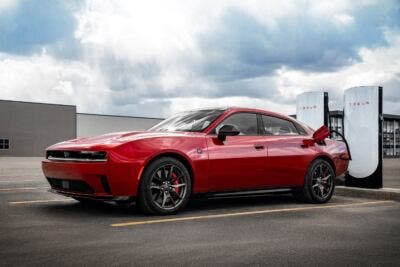
The public charging network for electric vehicles in the United States has passed 250,000 active ports across more than 80,000 locations, according to data from the Department of Energy’s Alternative Fuels Data Center. Growth has continued even as the American EV market slows and the political environment becomes less favourable to the transition, with thousands of new fast chargers and almost 13,000 Level 2 ports installed in 2026 alone.
To understand the scale of the acceleration, the US reached the 100,000-port threshold across Level 2 and fast charging in 2021, while the 200,000 mark was passed earlier this year. This also reflects the broader global growth of EV sales, even though the United States is currently facing a sharp decline.
America’s EV charging network passes 250,000 ports as infrastructure keeps growing
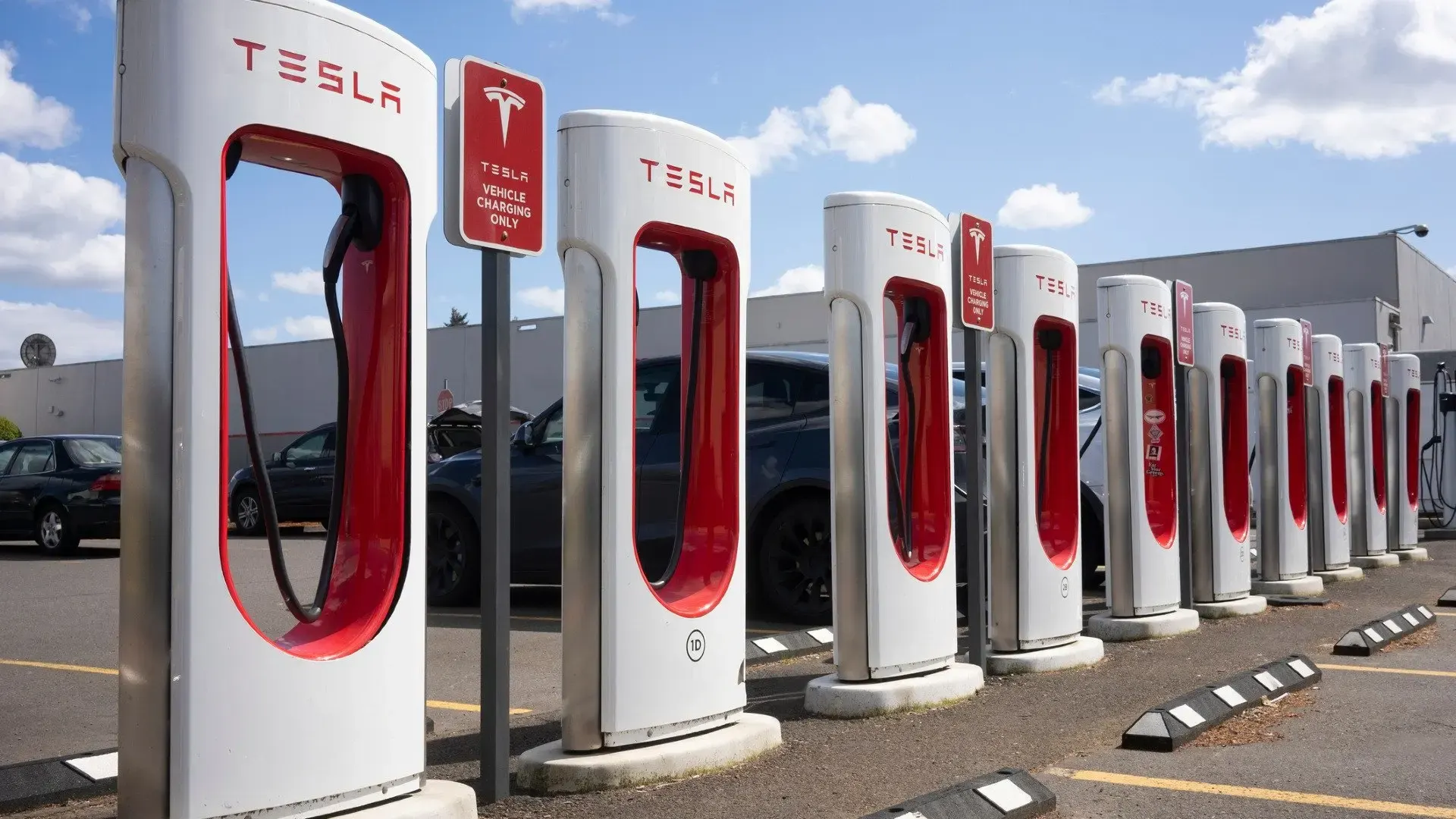
The composition of the network reflects two different use cases. Level 2 ports, now above 180,000, make up the largest share and are designed for longer stops in car parks, shopping centres, hotels and urban areas, where vehicles remain parked for several hours and lower installation costs make the infrastructure easier to spread widely.
DC fast-charging ports now exceed 73,000 and play a crucial role along highways and on long-distance journeys, because they reduce stop times and make travel outside urban centres easier to plan. The density and reliability of this second category have the greatest impact on how drivers perceive the everyday practicality of electric cars.
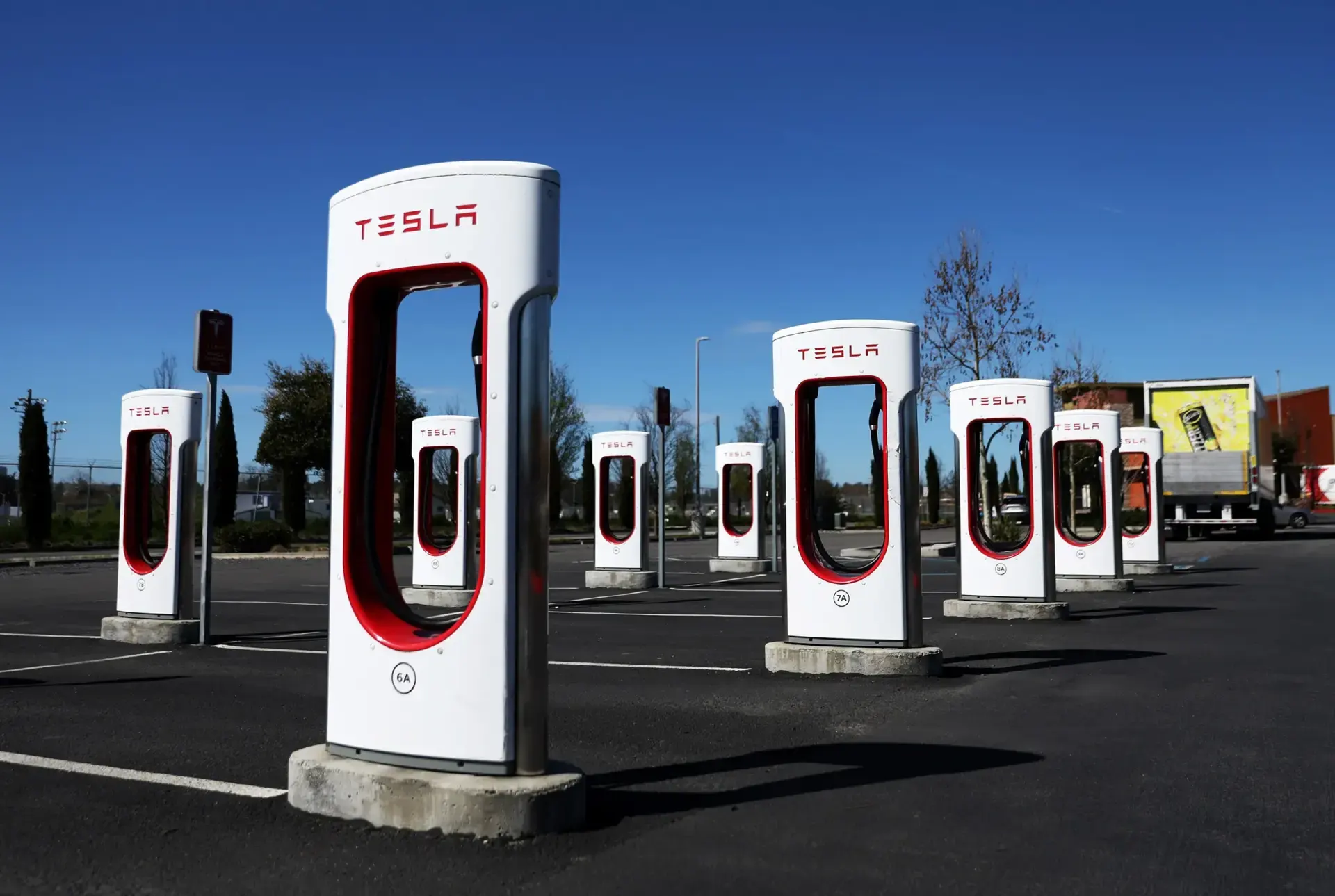
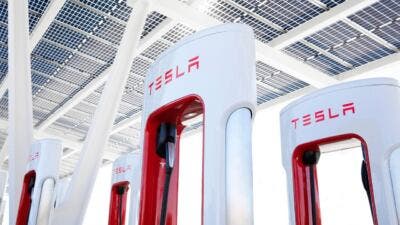
Tesla remains the benchmark in fast charging thanks to its Supercharger network, but the operator landscape has become more diversified with the arrival of new dedicated players, while ChargePoint continues to hold a very strong position in Level 2 charging. Competition between operators is helping expand geographical coverage, although the quality of the charging experience remains an open issue. Location, visibility, whether chargers actually work and ease of use are all variables that influence driver confidence just as much as the total number of installed ports.
The milestone of 250,000 public ports weakens the argument, often used in the American EV debate, that charging infrastructure does not exist. However, it does not eliminate the problem completely. The gap between the perception of an insufficient network and the reality of expanding coverage remains significant. Closing it will require not only more chargers, but also better accessibility and reliability across the country.