Twenty state attorneys general just handed the Trump administration a reality check it clearly didn’t ask for. In a formal letter, the top legal officers of California, Colorado, Arizona, New York, Virginia, Illinois, Michigan and a dozen more states have declared that the US Department of Transportation’s latest proposal on EV charging infrastructure content requirements would effectively kill a $5 billion federal program.
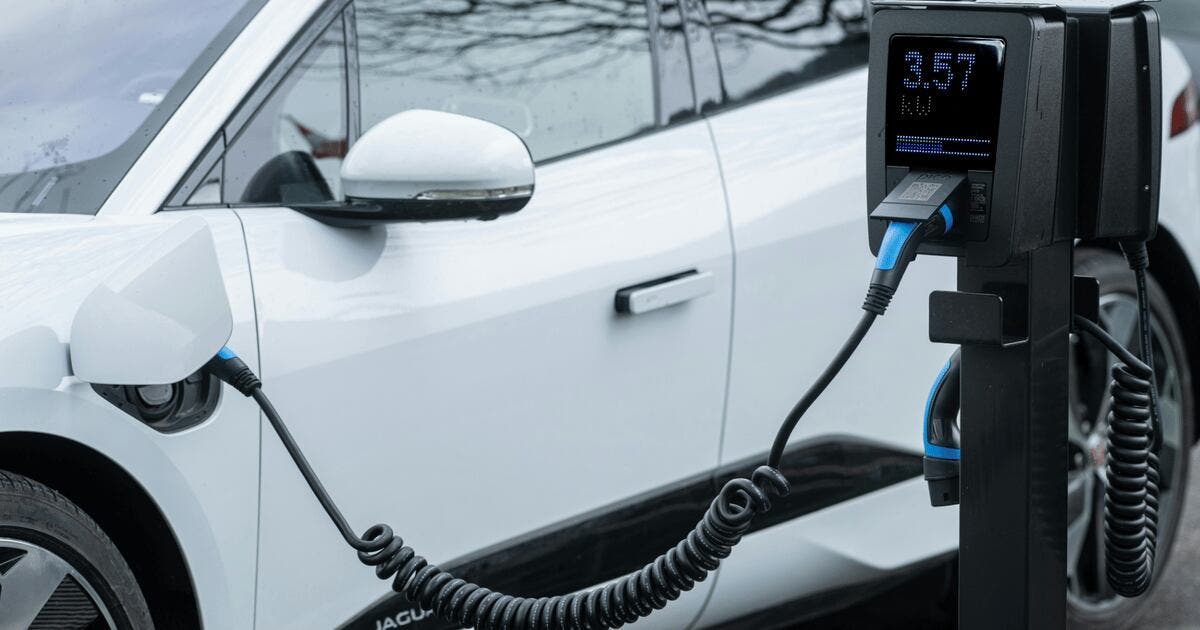
The proposal in question would push so-called “Buy America” requirements for federally funded EV chargers from the current 55% to a neat, round, completely unachievable 100% domestic content. The attorneys general didn’t mince words: no 100% American-made chargers currently exist on the market, demand isn’t nearly high enough to justify building domestic manufacturing capacity from scratch, and certain critical charger components simply aren’t produced in the United States at all. Not yet. Possibly not ever.
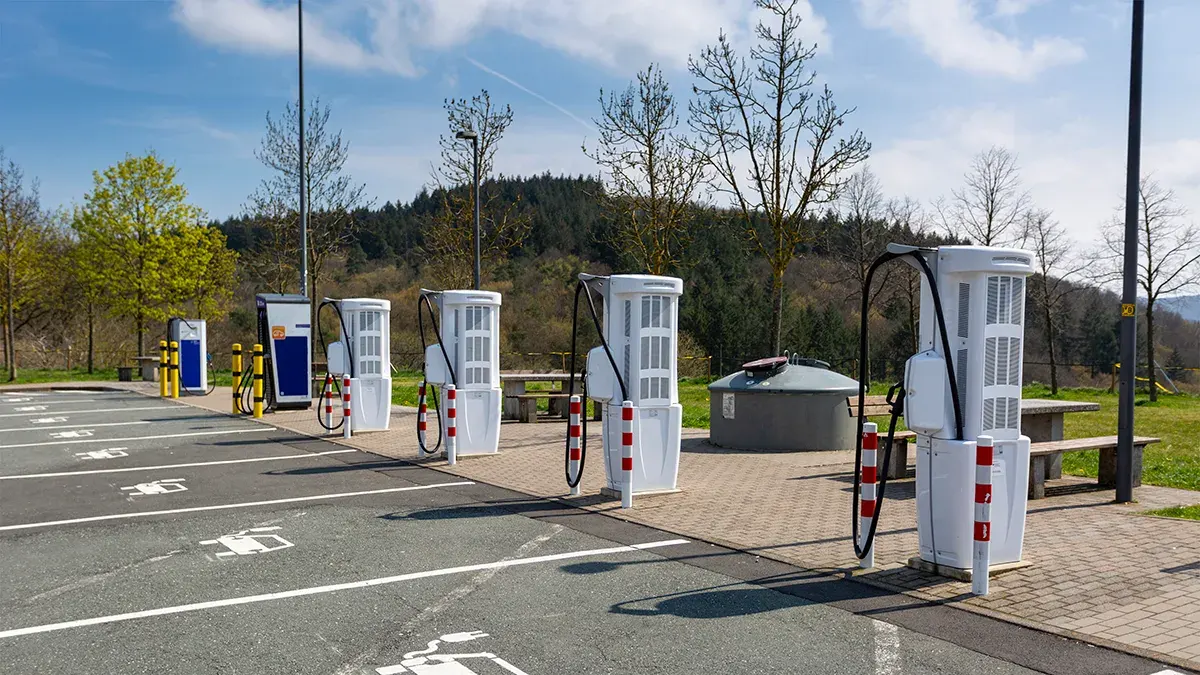
This is the National Electric Vehicle Infrastructure Formula Program, a $5 billion allocation passed by Congress in 2021 under President Biden as part of a broader infrastructure law. The Trump administration froze it in January. A federal judge ruled that freeze illegal.
So now, rather than simply unfreeze the funds, the administration is floating a technical requirement so impossible to meet that the program starves anyway. The attorneys general called it “yet another attempt to implement the president’s directive to block congressionally appropriated EV infrastructure funding”.
The irony is that the states aren’t opposed to Buy America rules. They want domestic content requirements. They just want ones that don’t read like they were written by someone who’s never set foot inside a charger manufacturing facility.
Meanwhile, a January spending bill already redirected $879 million that had been earmarked for EV charging networks toward other infrastructure priorities. Add that to the rollback of consumer EV incentives, the quiet dismantling of automaker incentive programs, and the relentless push to keep gasoline-powered vehicles commercially viable, and the picture is pretty clear. This administration isn’t trying to build American EV infrastructure. It’s trying to make sure nobody else does either.