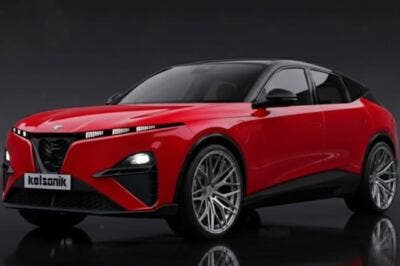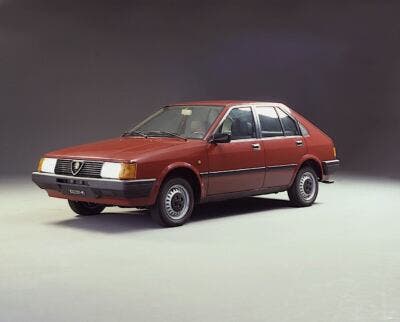
The Alfa Romeo Arna was born in the early 1980s from an industrial agreement with Nissan, formalized through the Alfa Romeo Nissan Autoveicoli joint venture, whose initials gave the model its name. The brand needed a modern compact car capable of competing with the Volkswagen Golf and Lancia Delta, but the resources available did not allow for a fully in-house development program. The solution was a hybrid project that combined the Nissan Cherry body with Alfa Romeo mechanicals, especially the boxer engines already used in the Alfasud.
Alfa Romeo Arna revisited, a compromise that satisfied neither side
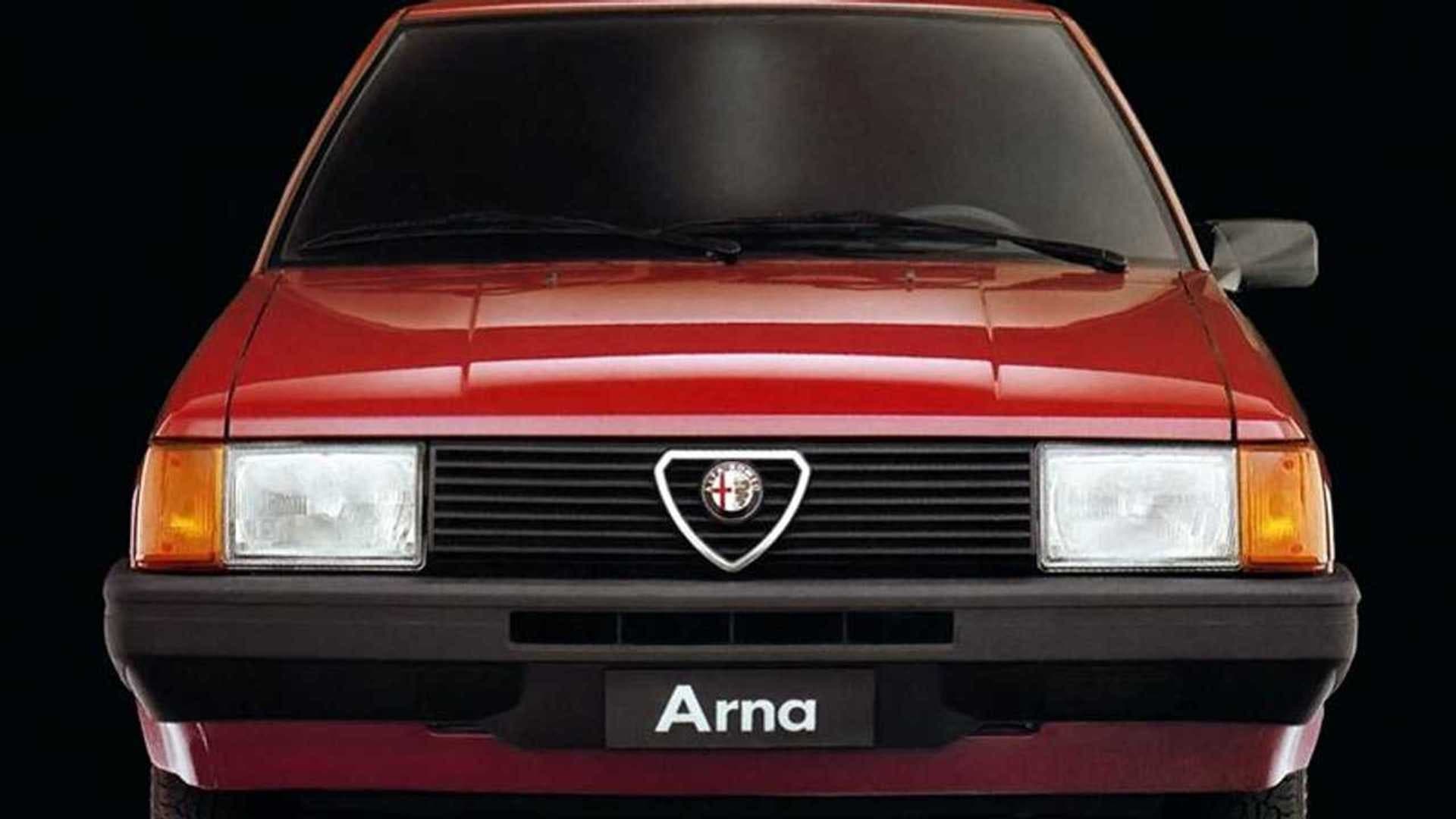
The result proved to be a compromise that satisfied neither side. The styling, taken directly from the Japanese model, lacked the design character that customers associated with the Biscione, while the Alfa Romeo technical base was not enough to offset an image perceived as anonymous and distant from the brand’s tradition. Enthusiasts saw it as a Nissan with Alfa Romeo mechanicals rather than an Alfa Romeo with Japanese components, and that distinction mattered commercially. Buyers looking for a Biscione model expected elegance and personality, while those seeking a rational compact car found more convincing alternatives among direct rivals.
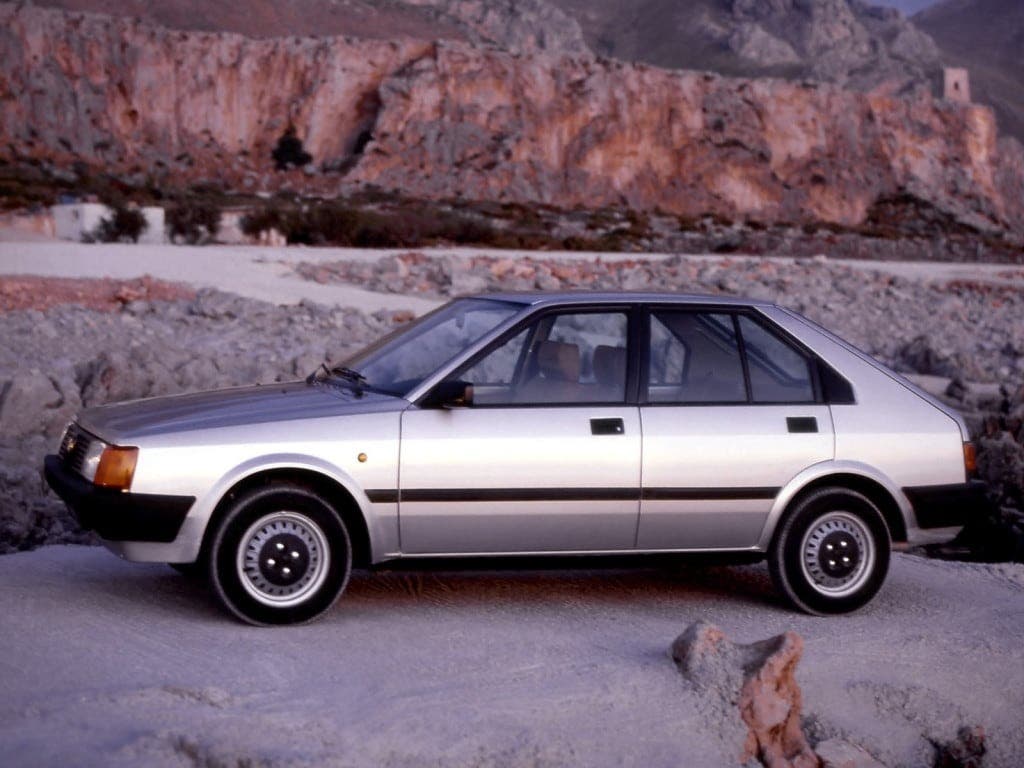
Produced from 1983 to 1987, the Arna had a short career and modest sales, remaining one of the least successful chapters in the history of the Italian brand. The collaboration with Nissan was meant to open a sustainable industrial path for volume production in the compact segment, but it ended without a follow-up and without the model building its own reputation beyond the mostly negative one that still follows it today.
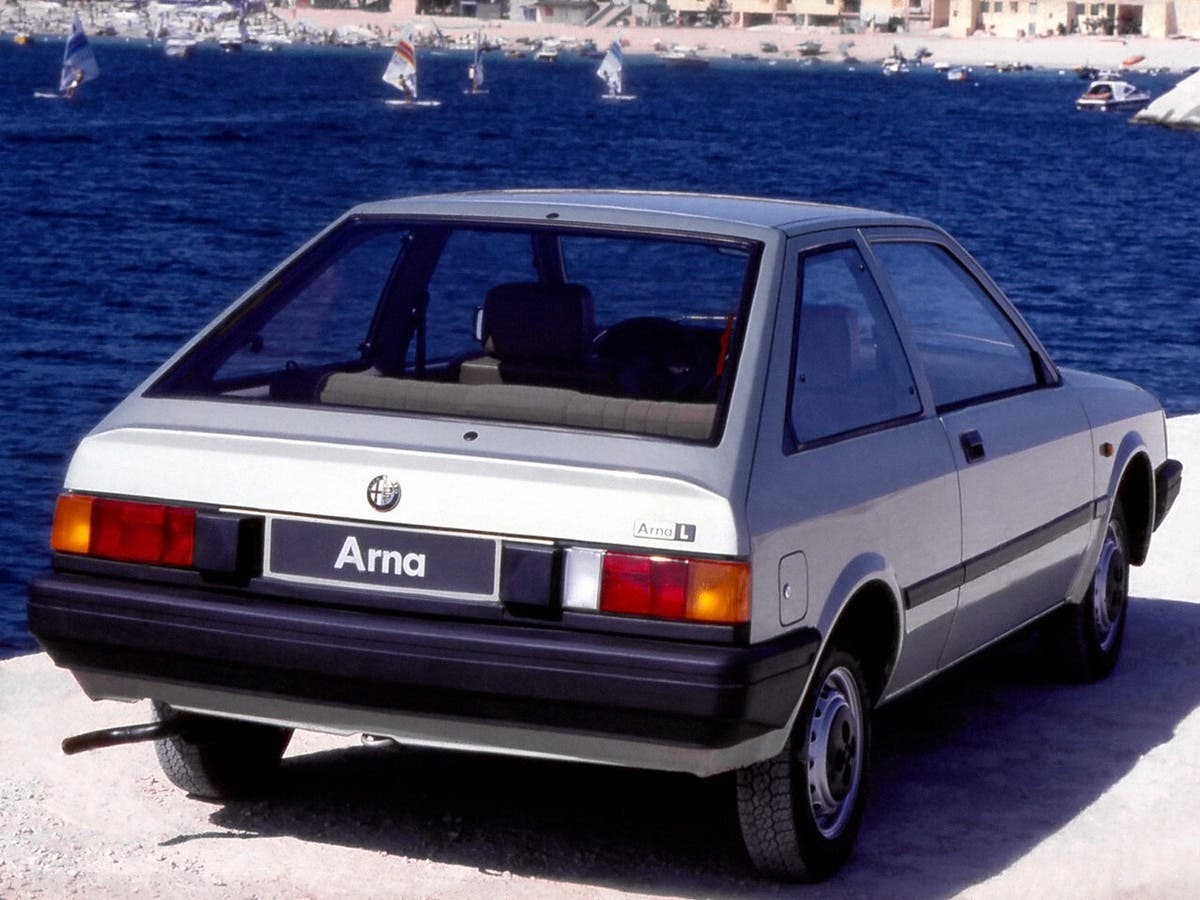
Forty years later, people regularly cite the Arna as one of the least successful Alfa Romeo models ever, if not the worst of all. That judgment mainly reflects the contrast between the expectations tied to the brand and a product that carried the Alfa Romeo name without embodying its distinctive traits. Still, the Arna also remains evidence of a period in which Alfa Romeo, facing financial and industrial difficulties, looked for quick solutions to stay competitive in a key segment, accepting compromises that it would not have considered under different circumstances.