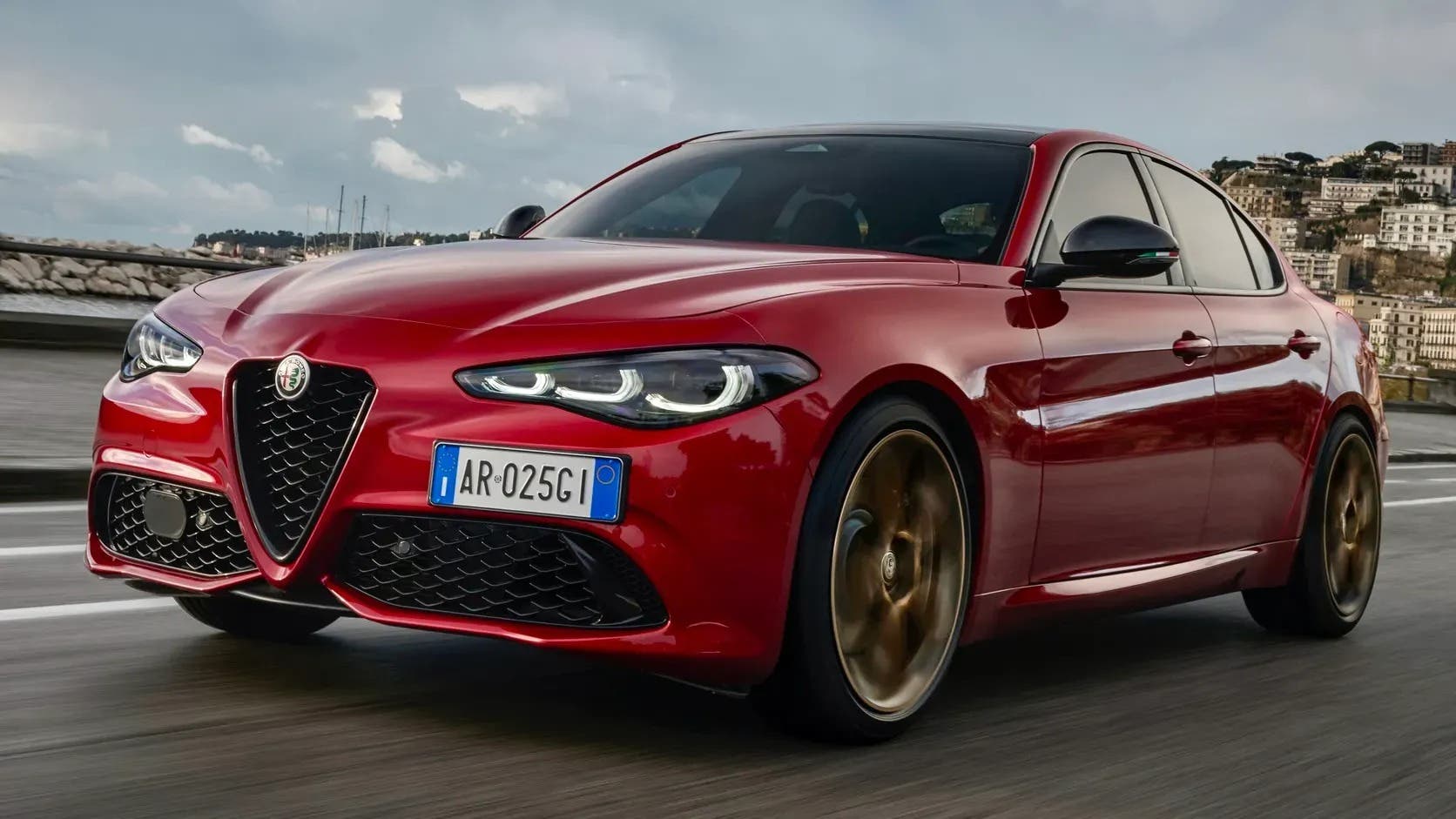
The Alfa Romeo Giulia is going through a phase that creates a clear commercial problem for the brand, but for the right buyer it can also turn into an opportunity that is hard to ignore. Alfa Romeo still offers one of the most rewarding sedans for anyone who wants a car with real character, strong chassis balance, sharp driving dynamics, and a level of engagement that few rivals in the segment can match. The market, however, now treats the Giulia like a product nearing the end of its life cycle, and that perception is driving especially heavy depreciation, particularly in the used market.
Alfa Romeo Giulia, the used market could make it a real bargain today
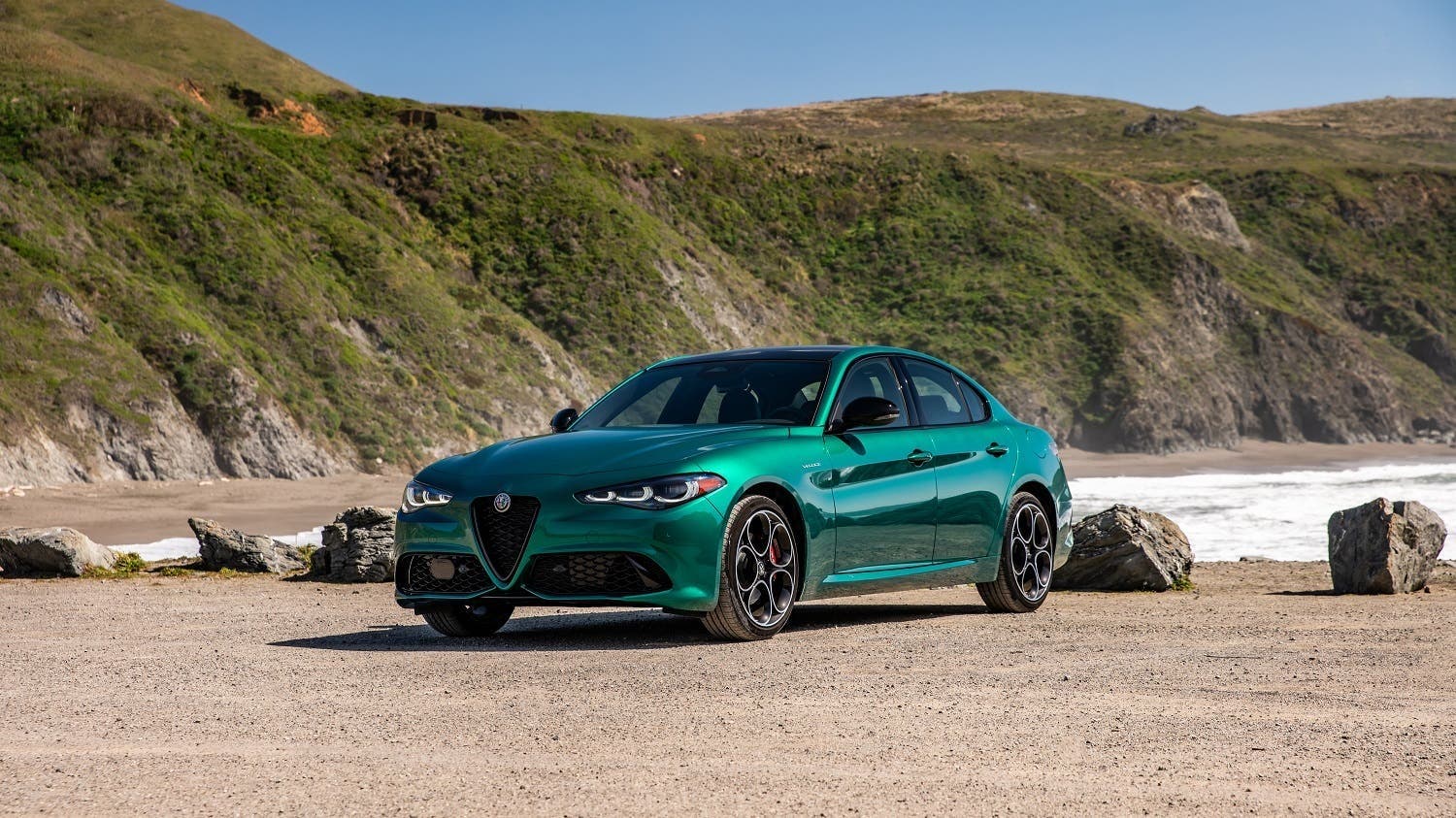
That gap between the car’s real value and the price buyers can pay for it today creates the most interesting part of the story. Right now, the Giulia sits in a price range that would have seemed unthinkable just a few years ago for a sedan of this level. The comparison becomes even more striking when you consider what the car actually offers in terms of mechanical quality, dynamic setup, and overall image compared with much simpler and far less engaging models that now sell for similar money.
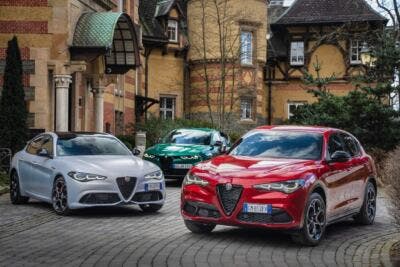
The picture becomes even clearer when you look at the stage both the Giulia and Stelvio are now living through. Alfa Romeo plans to keep both models in the lineup until 2027 while it prepares the next generation. The market seems to have already priced in this long transition period, and the result is that used Giulias now appear at surprisingly accessible prices, in some cases prices that look genuinely hard to justify when matched against the car’s overall quality.
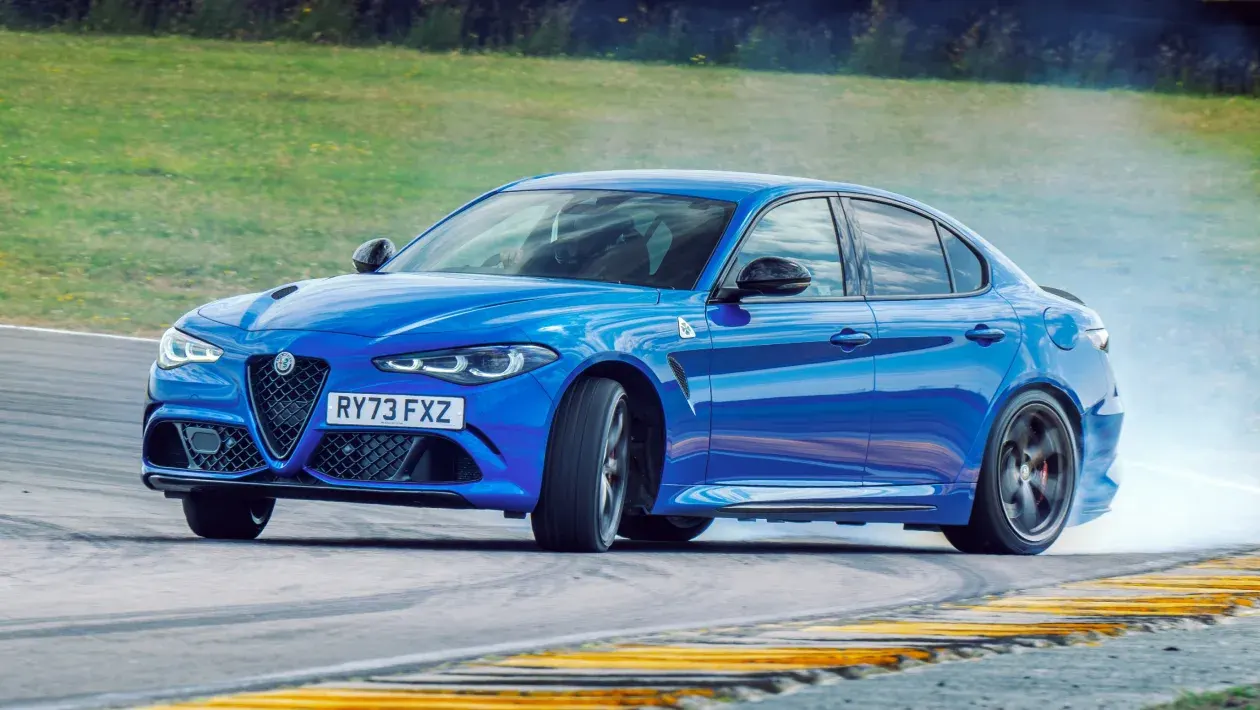
That contrast makes the Giulia a particularly unusual case. On one side, weak sales volumes confirm the struggles of a model that has spent years trying to hold its ground in a market dominated by SUVs. On the other, that very commercial weakness is opening an interesting window for buyers willing to look beyond the sales charts and focus on what the car actually delivers from behind the wheel. That logic does not apply only to the more restrained versions of the range. It also extends to the richer and sportier configurations, which in the used market have become far more attainable than they were only a few years ago.
At this late stage in its life cycle, the Giulia now occupies an unusual position. It struggles to keep pace numerically with its rivals, yet it still attracts buyers who want a sedan with a strong personality, genuine dynamic ability, and a price-to-content ratio that now looks more favorable than ever. For anyone considering this kind of purchase, the current window may prove especially hard to replicate later on.