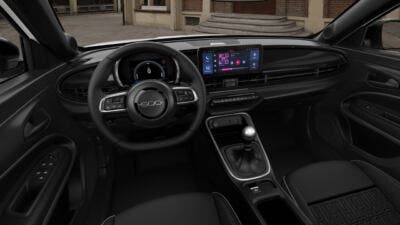
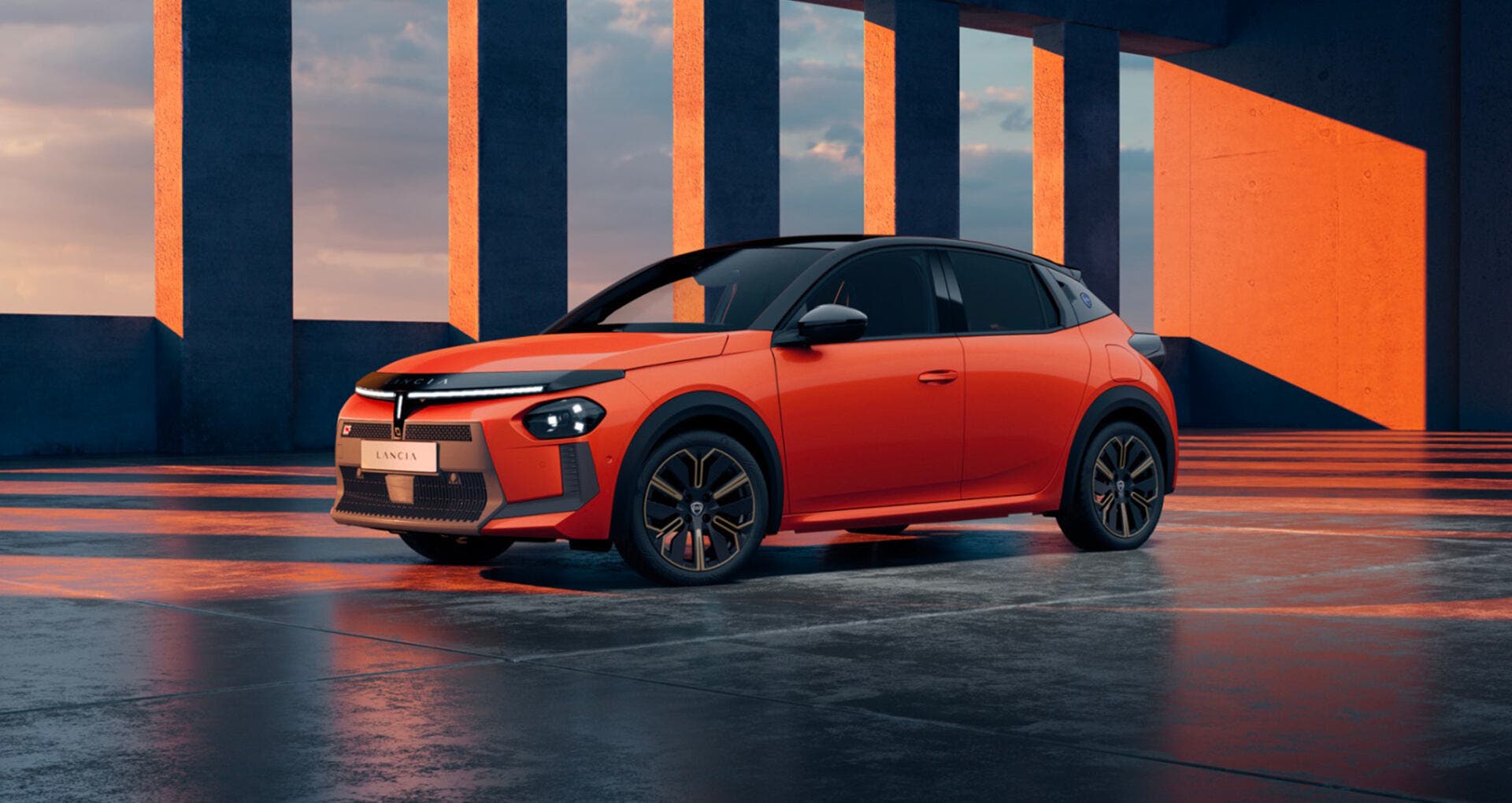
Just when we thought the manual transmission was headed for the same museum wing as the rotary phone and the dignity of certain politicians, Stellantis decided to pull a “Back to the Future”. The return of the stick shift on models like the Fiat 600, the Fiat Grande Panda, and the Lancia Ypsilon isn’t some poetic love letter to the purists. No, if you look under the hood of this decision, you won’t find romance.
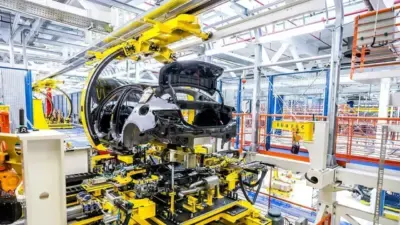
Seeing a gear lever sprout from the center console of a modern hybrid feels like finding a typewriter at a Silicon Valley tech conference. But let’s call it what it is: an industrial life preserver. Producing a manual gearbox is significantly cheaper than manufacturing a sophisticated dual-clutch or a traditional automatic.
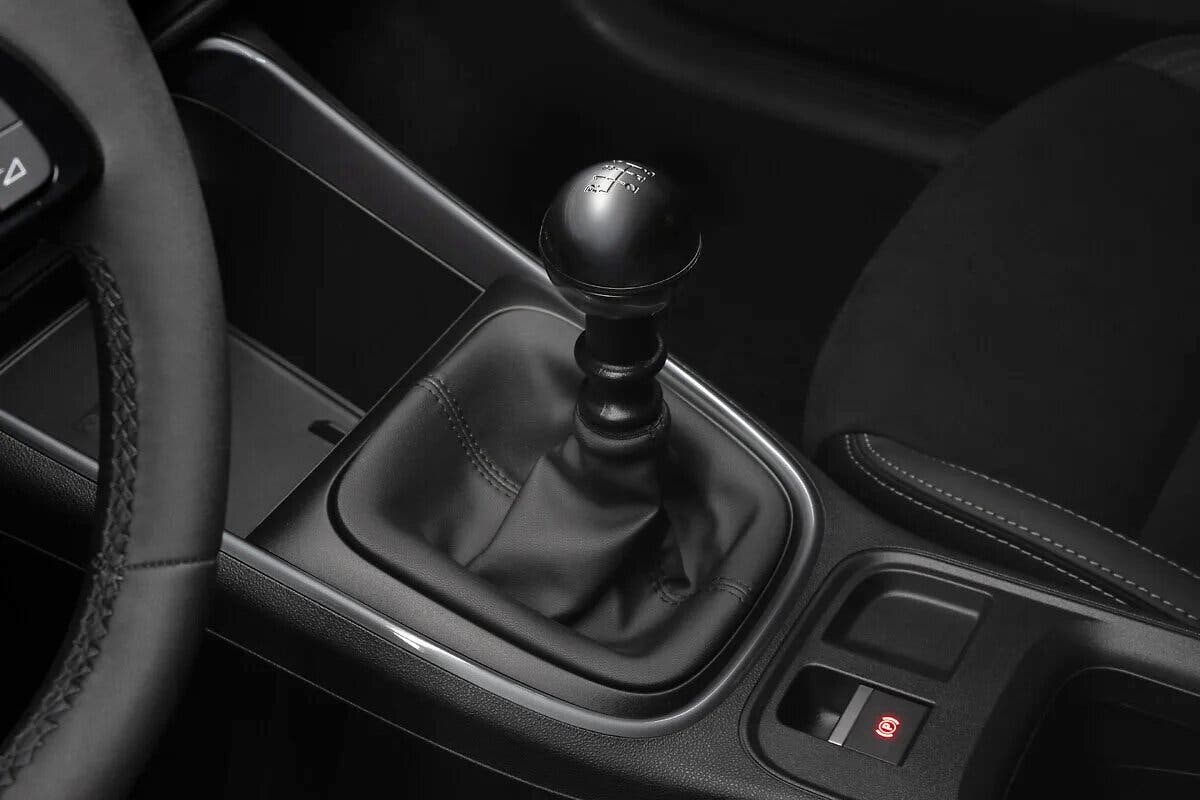
By opting for the “analog” route, Stellantis is trying to keep the entry price of their cars from orbiting the moon. In segments like city cars and small crossovers, where every cent on the sticker price determines whether a customer signs the papers or walks to the bus stop, the manual transmission is the ultimate “budget-friendly” weapon.
Technically speaking, these mild-hybrid powertrains are perfectly happy to coexist with a traditional shifter. It’s a marriage of convenience that allows the Group to avoid the massive R&D costs of developing new, complex transmissions while they’re already bleeding cash into the “Original Sin” of total electrification. It’s a strategic pivot disguised as heritage.
In Europe, and especially in Italy, the left pedal still carries cultural weight. While the world screams for autonomous driving, there is still a massive demographic that views the automatic gearbox as a luxury they aren’t willing to pay for.
So, don’t be fooled by the marketing fluff. This isn’t a nostalgic “renaissance” of the driving experience. It is a cold, hard, pragmatic response to a market that is increasingly priced out of its own future. Stellantis is essentially offering a mechanical “nanny” to bridge the gap between yesterday’s affordability and tomorrow’s expensive electric dreams. The manual transmission’s space is undeniably shrinking, but for now, it remains the last bastion of common sense in a market that has otherwise lost its mind to complexity.