
Gasoline Particulate Filters, GPF, have been quietly doing their job in European and Chinese cars since 2017 and 2020 respectively, and now they’re heading stateside whether the American market asked for them or not. Ford is already ahead of the curve, fitting the 2025 and 2026 Maverick and F-150 EcoBoost with these filters. GM, Toyota, and Ram? Still sitting it out for 2026. Enjoy it while it lasts, because EPA’s “criteria pollutant” rules under the Clean Air Act haven’t moved an inch.
Trump’s administration pulled back on greenhouse gas standards. But particulate matter is a different chapter of the same book, and that chapter is not up for negotiation. So the next time someone at a tailgate tells you Biden’s EPA is dead and buried, you can politely explain that the GPF on their 2027 Ram is still very much alive.
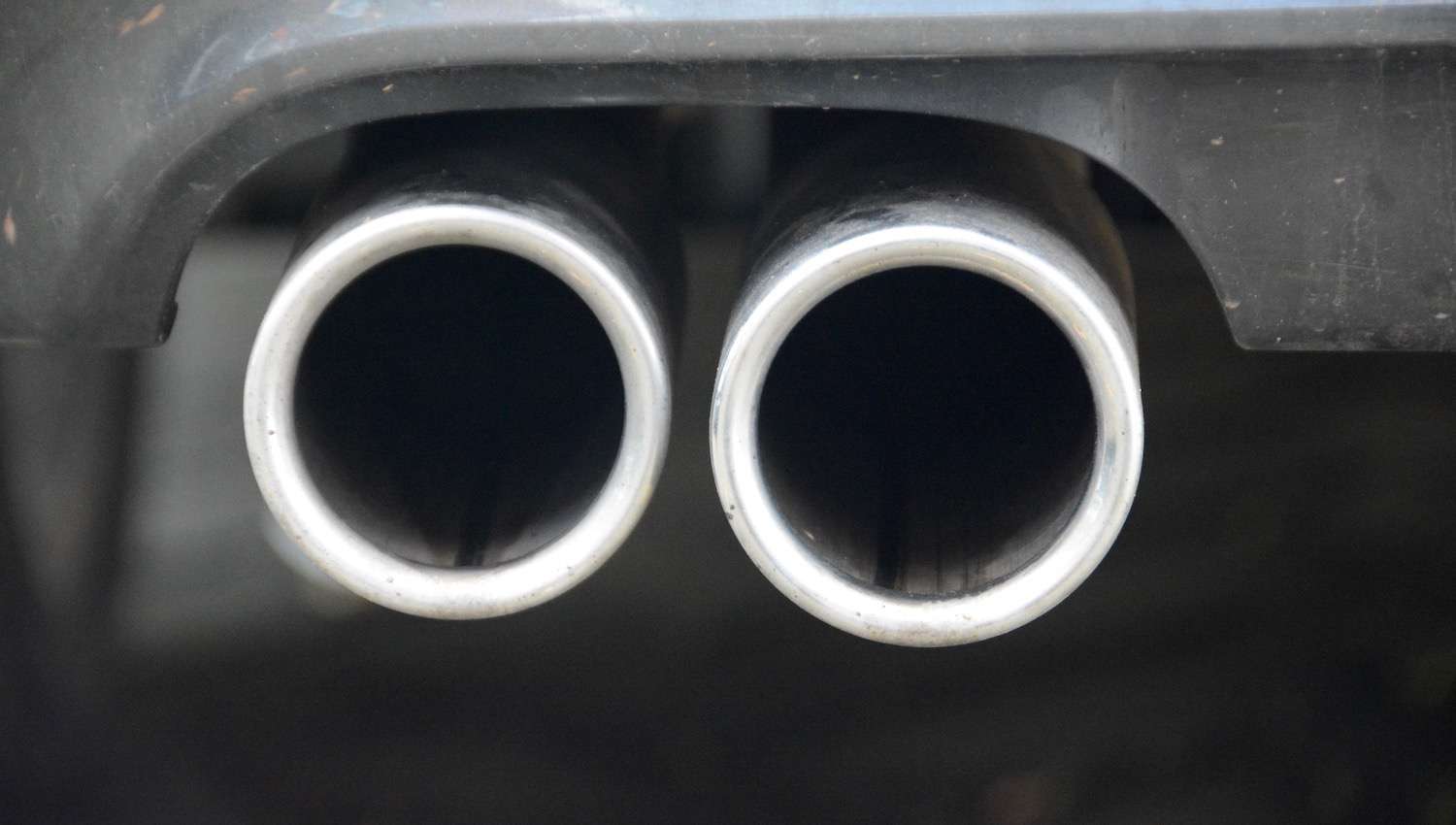
A 2022 study by two EPA researchers tested one on a 2011 Ford F-150 and found up to 99% particulate reduction depending on the test cycle. Ninety-nine percent. That’s not a rounding error, that’s the filter doing its job while your engine pretends nothing changed. The US Department of Energy estimates that roughly 73% of new passenger vehicles sold in 2023 ran Gasoline Direct Injection engines making GPFs less of an optional accessory and more of an overdue fix.
Structurally, GPFs and their diesel cousins the DPFs share the same honeycomb logic, but they’re not interchangeable. Gasoline engines produce less soot but finer particles, so the GPF’s wall structure is more porous by design. You’ll often find the filter integrated directly into the three-way catalytic converter, which means it’s already on your car and you probably had no idea.

Now, the downsides. Soot and ash buildup can compromise exhaust backpressure over time, which translates to reduced engine efficiency. The filter itself introduces backpressure that can shave power output. Regeneration is mostly passive in gasoline engines, which is convenient, but active regeneration (when it does occur) temporarily spikes NOx emissions. And if you’re the type who cares deeply about exhaust note, brace yourself. GPF-equipped cars tend to sound noticeably more subdued. Less roar, more whisper.
Whether that trade-off is worth it depends on where you stand. Environmentally, the math is pretty clear. Mechanically, it’s a filter doing what filters do, adding complexity to something that used to be simpler.