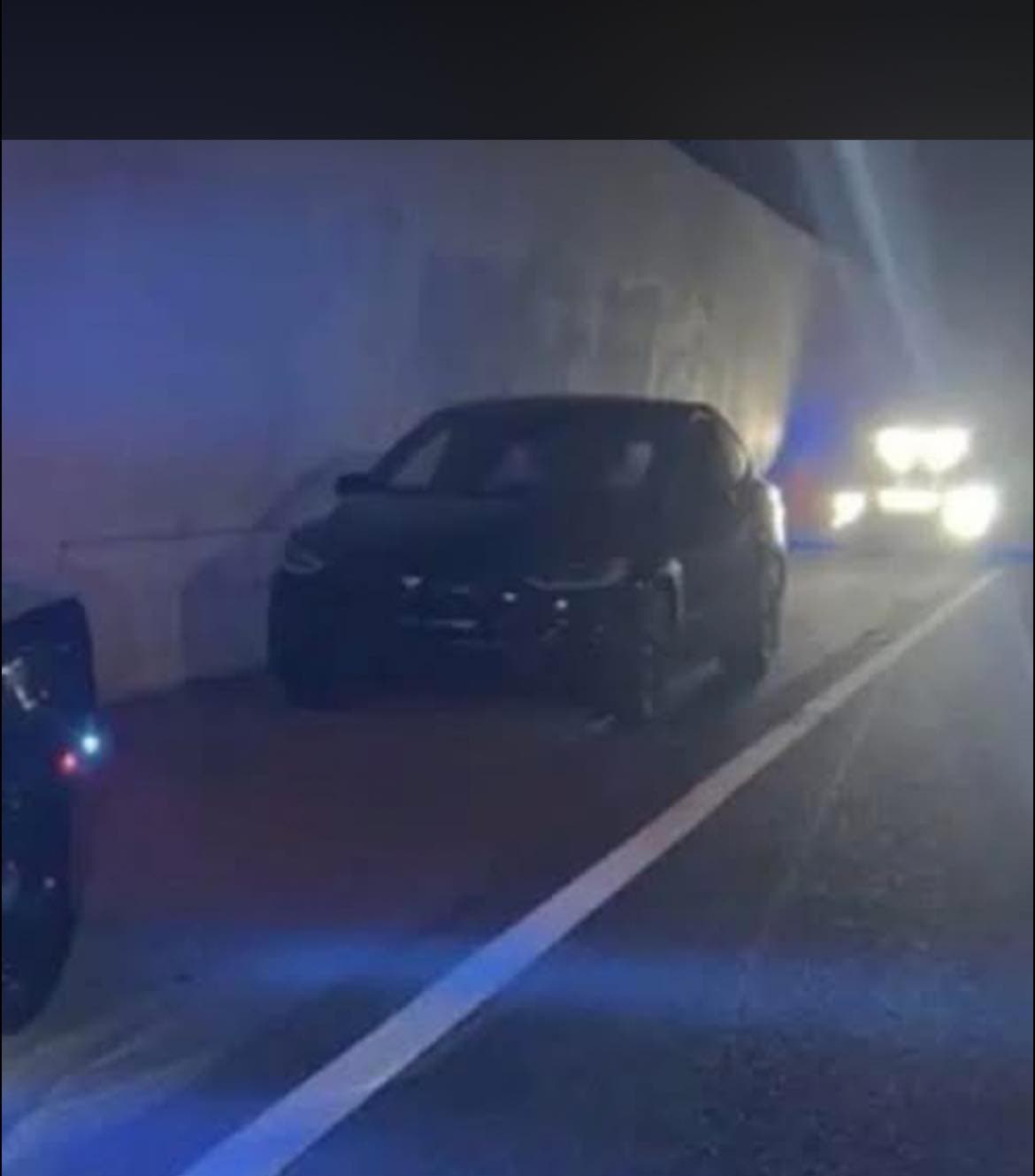
It’s 2:00 AM on the I-75 near Sarasota, Florida. The highway is dark, the air is humid, and right in the center lane of one of the state’s busiest arteries sits a Tesla, hazard lights blinking like a desperate SOS. Inside, 37-year-old Kimberly Brown isn’t checking her navigation or adjusting the regenerative braking. She’s fast asleep.
According to the Florida Highway Patrol, Brown decided to treat her high-tech EV as a luxury mattress after a night of heavy drinking, trusting Tesla’s Autopilot to ferry her home while she drifted into a booze-induced slumber.
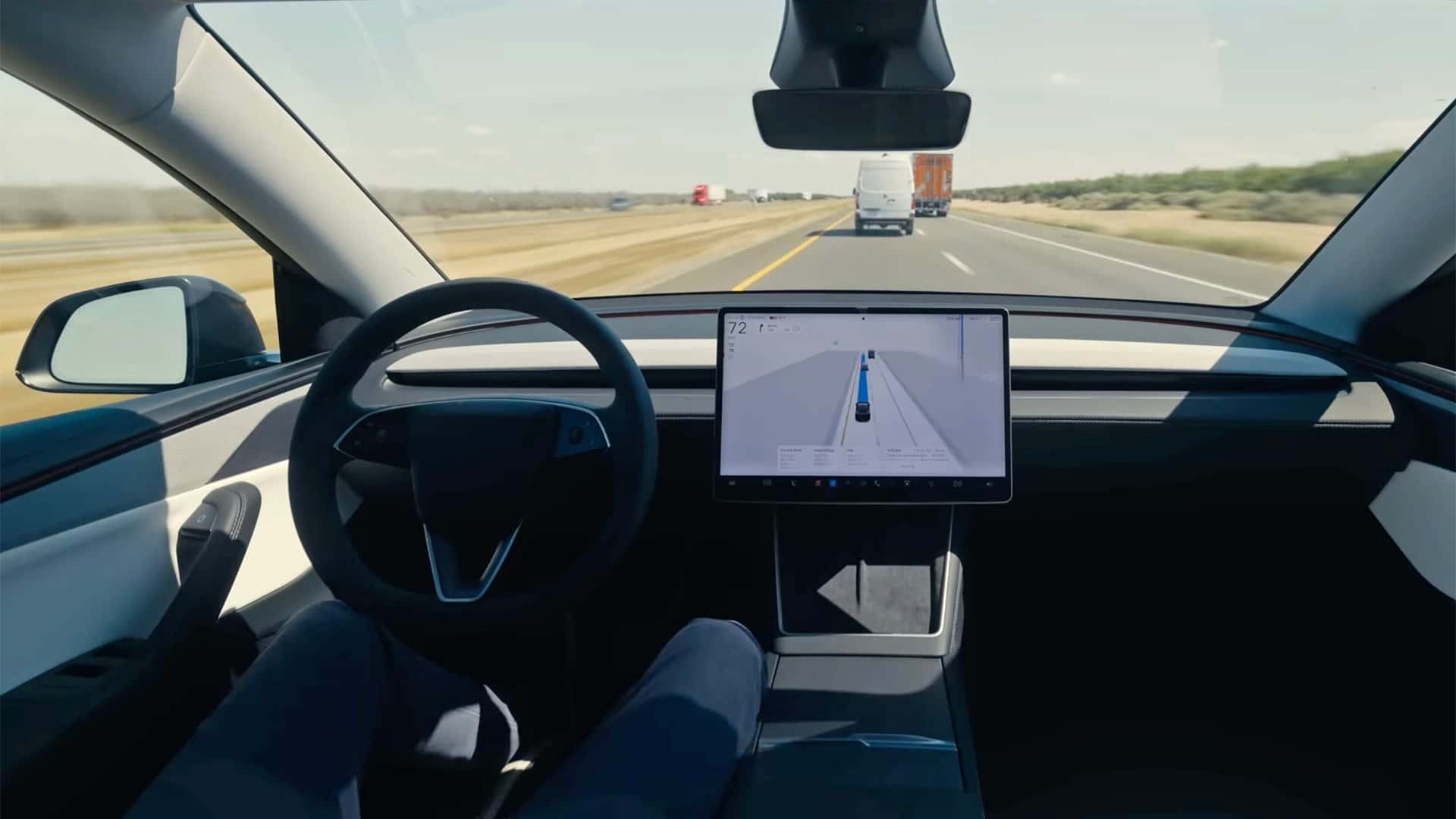
The reality, however, was less “futuristic convenience” and more “imminent disaster”. While Brown’s blood alcohol content was more than double the legal limit, the car’s software was busy trying to keep her alive, until it couldn’t. Tesla’s monitoring systems are designed to ensure the human behind the wheel is actually, you know, awake.
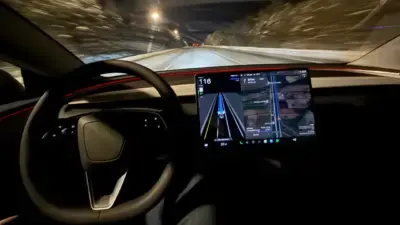
When the repeated alerts to “pay attention” went ignored, the Tesla system did exactly what it was programmed to do: it deactivated and brought the vehicle to a halt. The problem? Instead of pulling over to a safe shoulder, the car simply died in the middle of the road.
This is the gap between Silicon Valley marketing and highway reality. Industry experts are quick to point out that these features are “driver assistance”, not a “robotaxi”. Tesla themselves are quite clear: the driver must remain vigilant and in control at all times. Yet, the allure of the “self-driving” label continues to embolden the dangerously irresponsible.
For Officer Kenn Watson and the responding troopers, the scene was a nightmare scenario. In the eyes of Florida law, the software version doesn’t mitigate the crime. A DUI remains a DUI once you cross that 0.08 g/dL threshold, and in Florida, that mistake carries a $500 to $1,000 fine, license suspension, and up to six months in a place far less comfortable than a Tesla’s interior.
The investigation continues, but the takeaway is blunt: technology doesn’t grant you a hall pass from common sense or criminal liability. Until these cars can navigate a highway and a legal defense simultaneously, the responsibility remain firmly with the human in the seat.