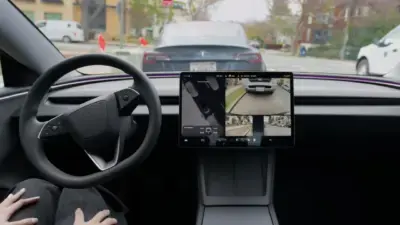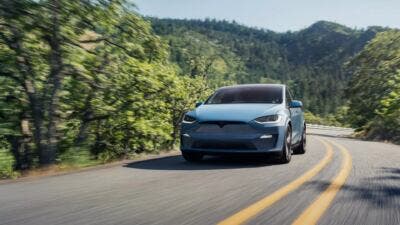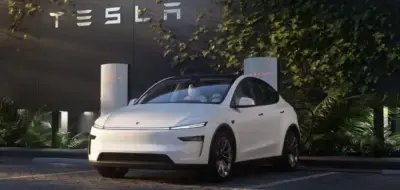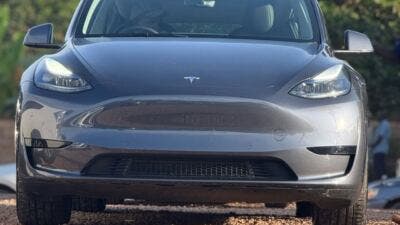
Tesla may still reign as the king of overall EV sales in the US, but the sheer volume of their vehicles on American roads reveals a chaotic inconsistency in quality, according to the latest Consumer Reports reliability data. The news is split in two extremes. On one hand, new models are doing surprisingly well, with Tesla climbing to ninth overall in the 2026 reliability rankings.
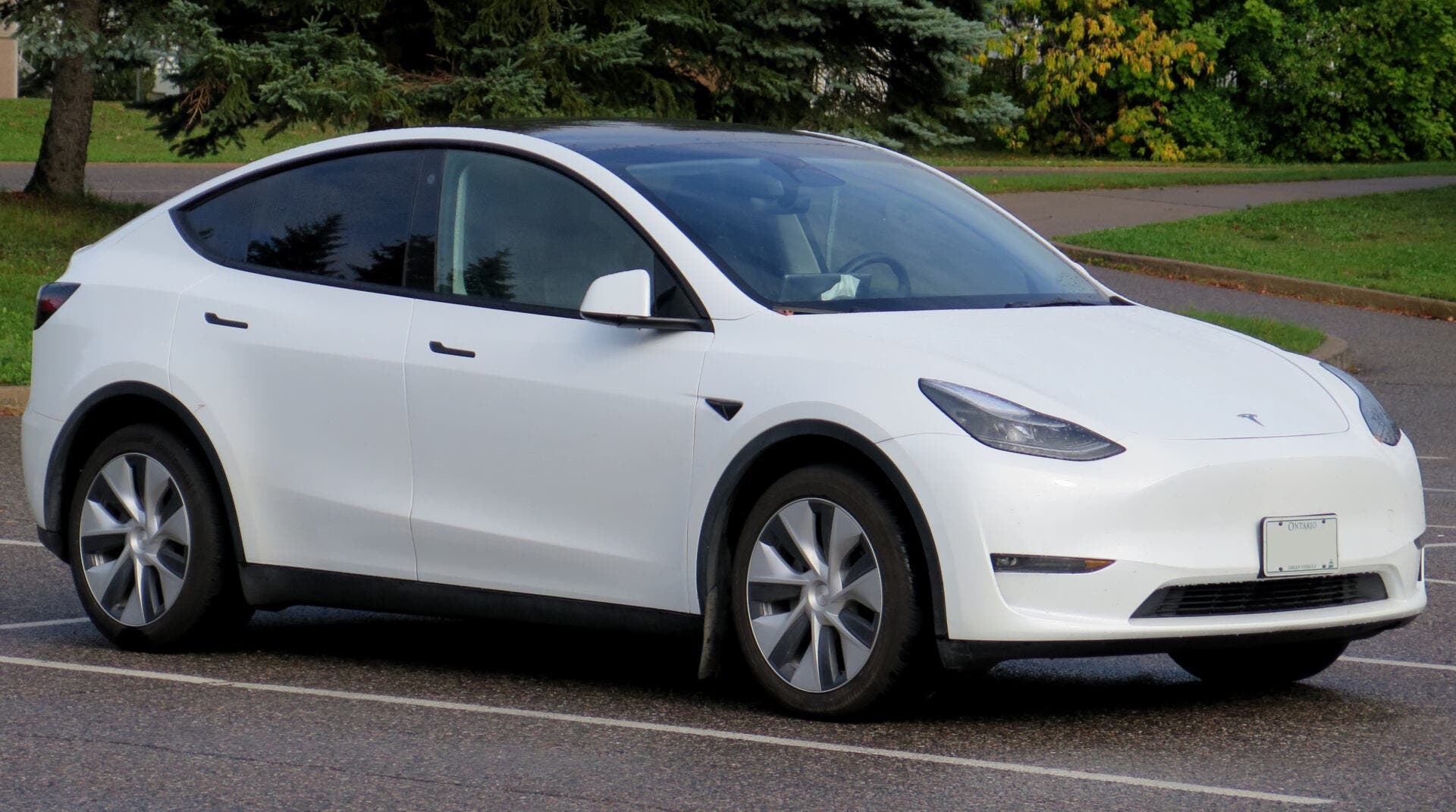
The Tesla Model Y, specifically, is now crowned the most reliable new electric vehicle on the market, though even it trails hybrids, which benefit from decades of proven technology.On the other hand, the used market, where the majority of America’s battery-powered fleet resides, is a horror show.
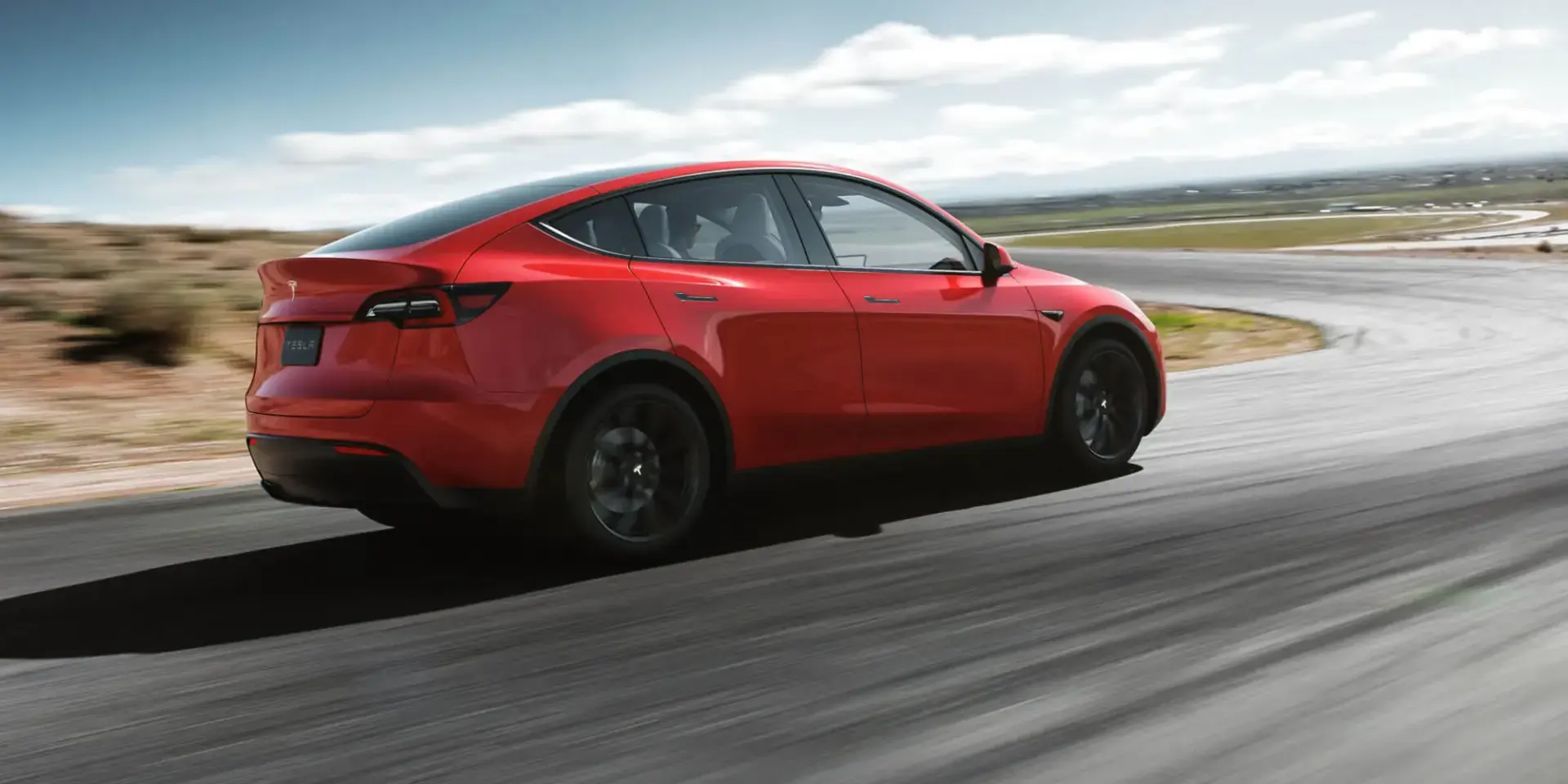
Tesla ranks dead last among five-to-ten-year-old vehicles (model years 2016–2021), falling behind historically maligned brands like Jeep, Ram, and Chrysler. Consumer Reports attributes this vast chasm to the company’s “production hell” phase of the prior decade. Those early Tesla Model 3s and Model Ys, built during a chaotic period that famously included assembling cars in makeshift tents, are now hitting the secondary market as high-risk purchases.
This is a critical warning for buyers looking for a cheap, used EV. Due to their massive volume, used Teslas benefit from a relatively robust service network and an eight-year powertrain/battery warranty, meaning the most expensive potential failures might still be covered, assuming the mileage limits haven’t been breached.
Meanwhile, other EV manufacturers are dealing with their own “teething issues”. Hyundai, Kia, and Genesis EV models are among the least reliable new cars, plagued by persistent complaints related to the notorious Integrated Charging Control Unit (ICCU). Despite multiple recalls and software patches, owners report the core charging problem remains.
Overall, the data is a strong cautionary tale for the entire sector. EVs and PHEVs average about 80% more problems than traditional gasoline cars, with seven of the ten least reliable new cars being electrified. This is contrasted by Hybrids, which are 15% less problematic than combustion engines. As Jake Fisher, Senior Director of Auto Testing at Consumer Reports, notes, these are simply new technologies that automakers are still learning to master, but in the meantime, reliability remains firmly planted in the past.