


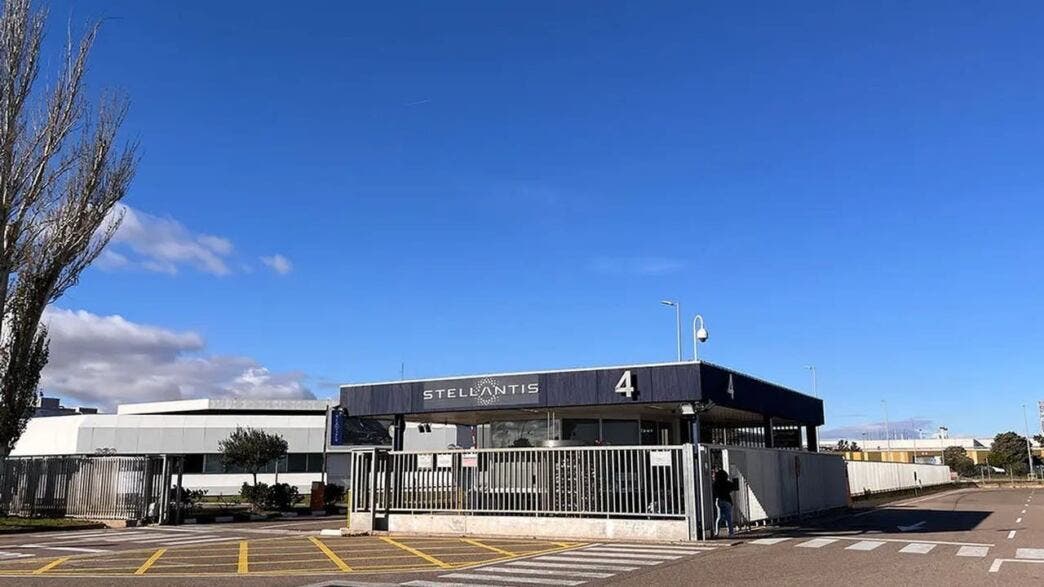
Construction of the Stellantis-CATL battery gigafactory in Figueruelas, Spain, will require a much larger Chinese workforce than initially expected. During the busiest stages of the project, as many as 1,700 workers from China could operate at the site, helping install equipment, transfer technical expertise and prepare the plant for production near Zaragoza.
A small “city” will house 1,700 Chinese workers at Stellantis’ battery plant
Contemporary Star Energy, the 50-50 joint venture between Stellantis and CATL, manages the project. Around 500 people currently work on construction, including 172 workers from China who mainly hold design and management roles. The Chinese workforce should gradually average around 1,000 people before temporarily peaking at approximately 1,700 as installation and commissioning work intensifies.
That influx has created a significant housing challenge for Figueruelas and nearby communities. Local hotels and apartments would struggle to accommodate such a large temporary workforce for months at a time.
The regional government has therefore backed plans for a temporary residential complex inside the industrial area. The project still requires local authorization, but the proposed facility would provide housing and supporting services for workers while reducing pressure on the surrounding rental and hotel market.
The large Chinese presence during construction should not reflect the long-term makeup of the workforce. Once CATL specialists complete the technology transfer and the factory reaches normal operations, their numbers should decline significantly.
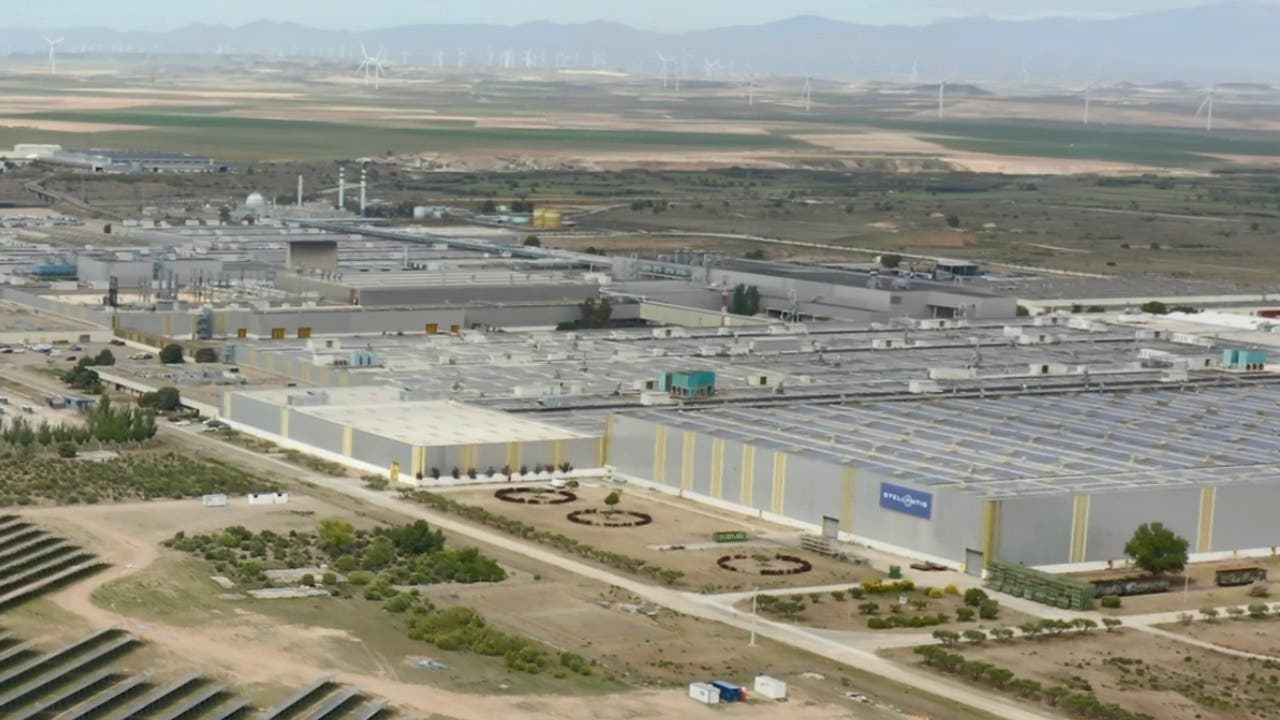
Stellantis and CATL say the completed plant will create more than 4,000 direct jobs, with much of the permanent workforce expected to come from Spain and the surrounding region. Thousands of additional indirect jobs could follow through suppliers and related industries.
The two companies plan to invest up to €4.1 billion in the facility, which will manufacture lithium iron phosphate, or LFP, battery cells. Annual capacity could eventually reach 50 GWh, although Stellantis says final output will depend on European EV demand and continued institutional support.
The original schedule called for production to begin by the end of 2026. More recent information now points to the first months of 2027, representing a relatively limited delay for a project of this scale.
The next major challenge will be moving from construction to stable mass production. The arrival of up to 1,700 Chinese specialists shows how much technical coordination that transition will require before the Figueruelas gigafactory can begin supplying batteries at meaningful volumes.