




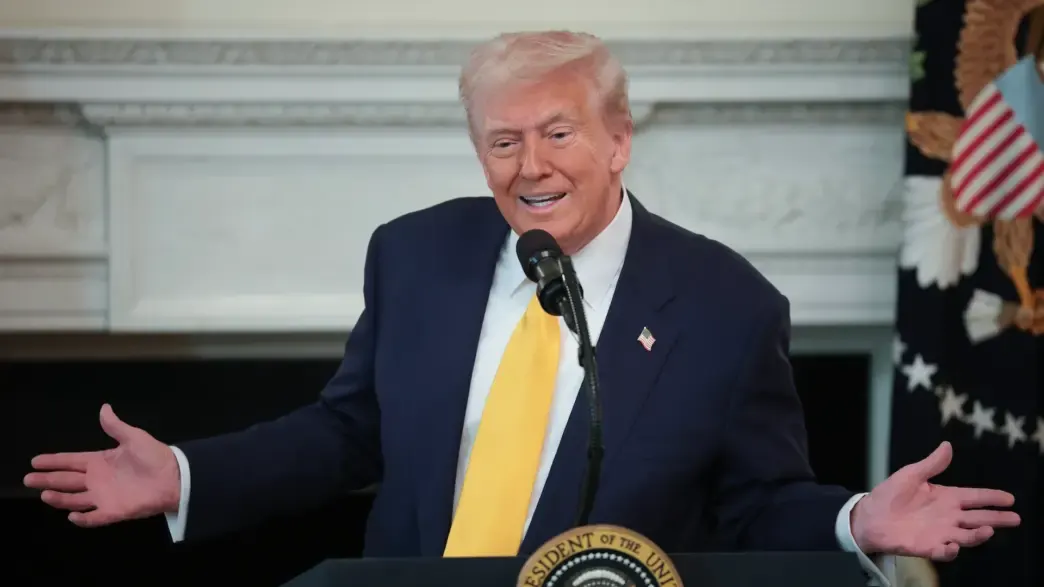
Donald Trump took the stage at a Las Vegas rally and delivered yet another stand-up routine targeting electric vehicles, complete with familiar soundbites and questionable math. Speaking to a crowd at the Red Rock Resort, the US president bragged about ending a federal “electric mandate” that never actually existed, before taking aim at EV drivers for suffering from what he dubbed a “disease”.
According to Trump, electric car owners are plagued by erratic paranoia, panicking the moment their battery charge dips to three-quarters full and desperately scanning the highway for charging station signs.
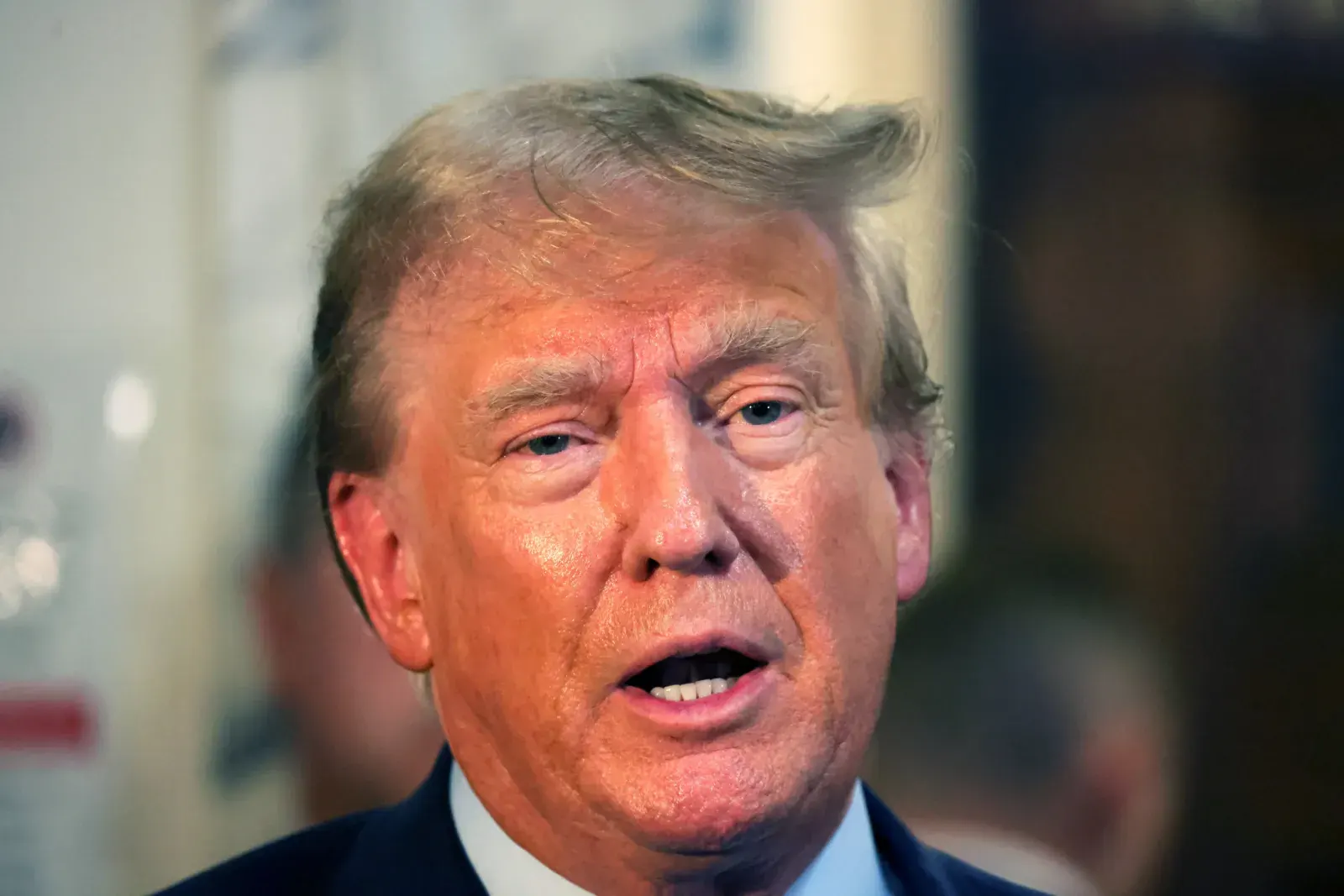
While range anxiety was indeed a genuine hurdle during the early adoption phase of battery-electric vehicles, expanding fast-charging infrastructure and increasingly accurate battery management software have largely cured the malady. Yet, in the rally ecosystem, technological reality rarely stands a chance against a good punchline.
In between praising Elon Musk and claiming the United States controls 60% of the world’s oil and gas, a metric that somehow included Venezuela, Trump did manage to toss out one accurate statistic: battery-electric vehicles account for roughly 7% of auto sales in the US. The catch? He paraded this single-digit market share as definitive proof that consumers reject electric transport. In truth, that lagging 7% figure is the direct result of policy suppression.
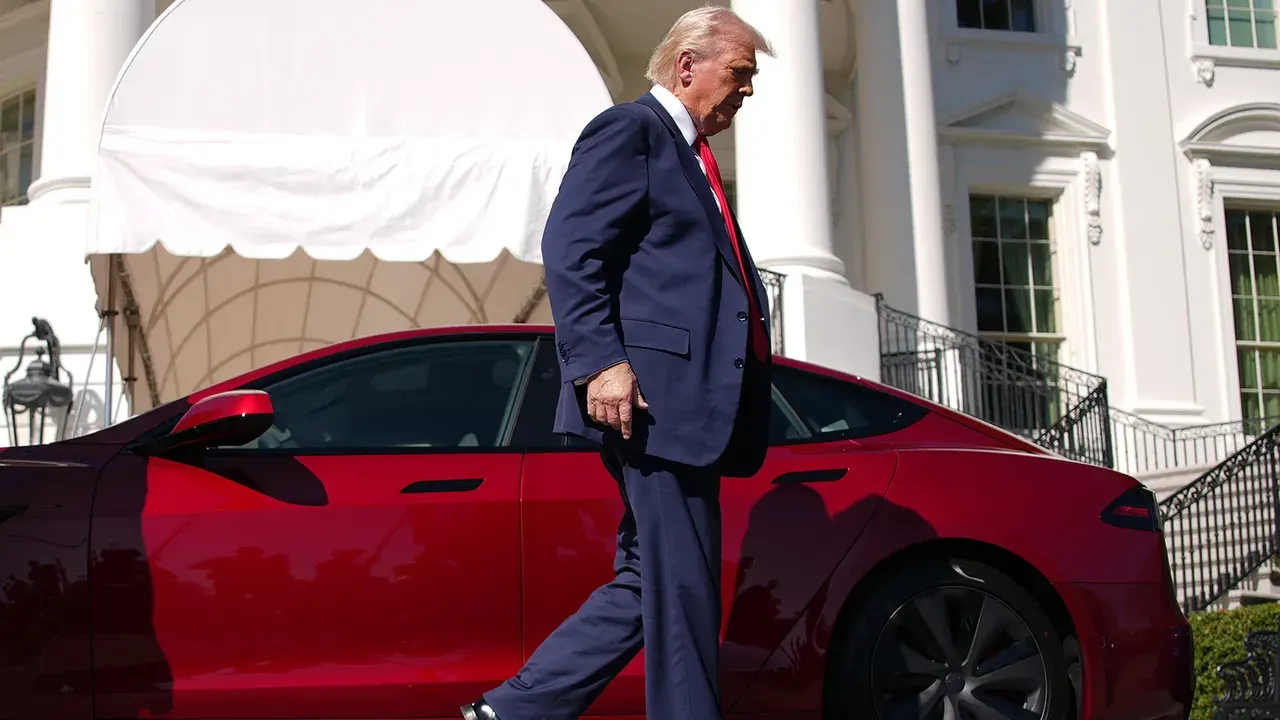
Despite the theatrical rhetoric, no federal law ever forced Americans to purchase an electric car by 2030 or any other date. The targets in question were federal tailpipe emissions standards and California clean-car rules intended to incentivize automotive innovation, not dictate consumer choice.
While domestic politicians score applause lines by fighting imaginary mandates, the global auto industry is moving at full throttle. Norway’s market is virtually all-electric, European EV adoption has pushed past 20%, and China recently crossed the 50% milestone. Gloating about a 7% market share while the rest of the world spearheads the most significant energy revolution in a century might make for great political theater, but it leaves the American automotive landscape sitting squarely in the slow lane.