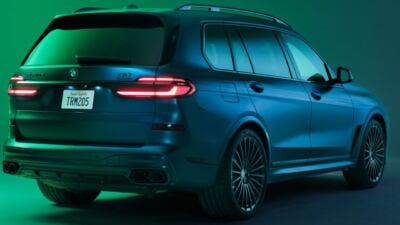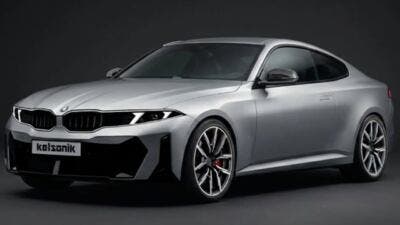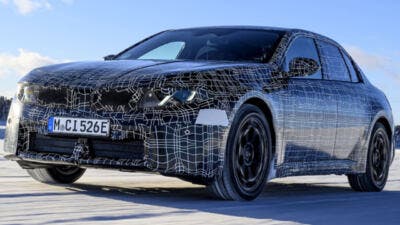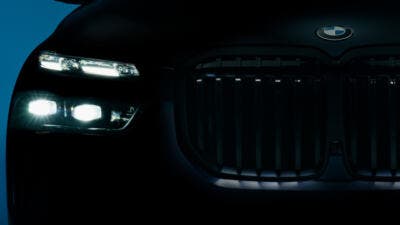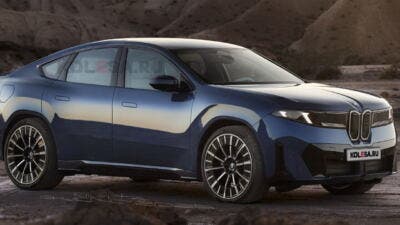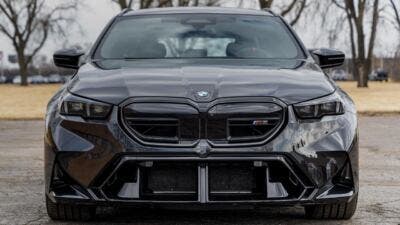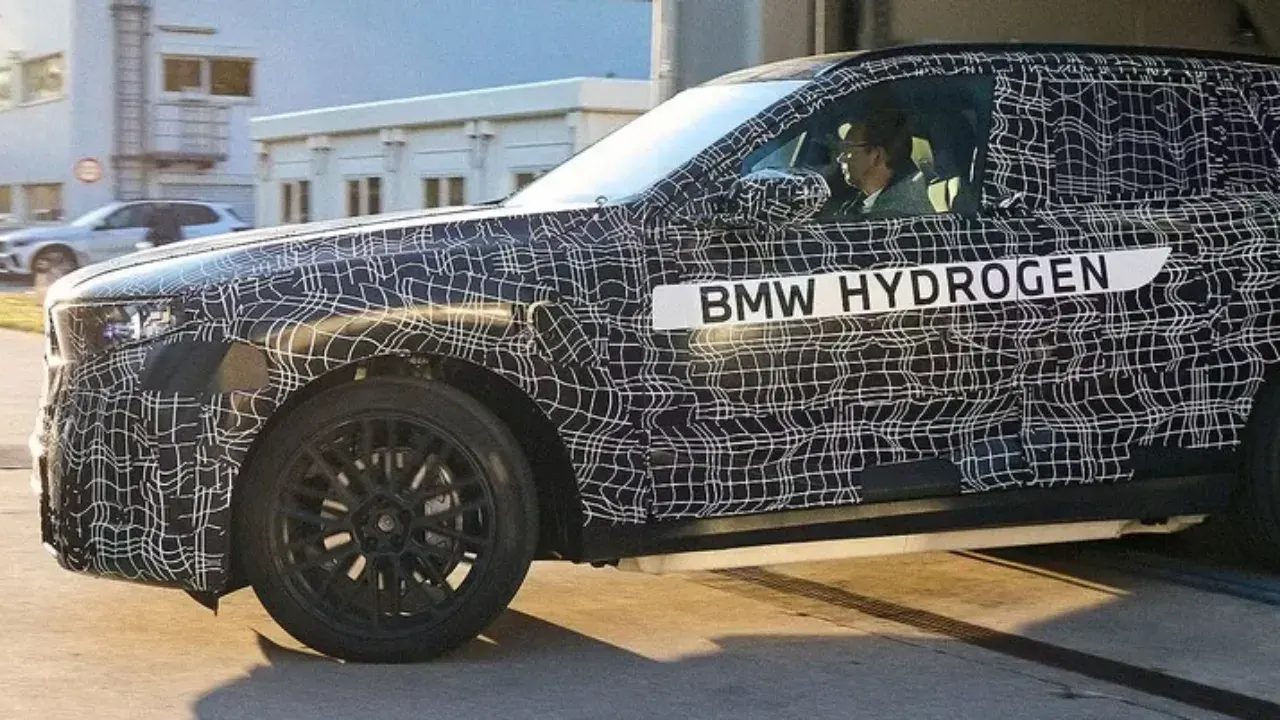
Five powertrains. One model. Either BMW is redefining what a flagship SUV can be. The fifth-generation X5, internal code G65, is set to make its official debut this summer, and outgoing CEO Oliver Zipse used the company’s annual conference to lay out a propulsion lineup that reads like a multiple-choice exam.
Gasoline, diesel, plug-in hybrid, full electric, and hydrogen. All on a single platform. It’s less of a product launch and more of an industrial manifesto. A statement that BMW intends to let the market decide what the future looks like, rather than betting everything on one technology.
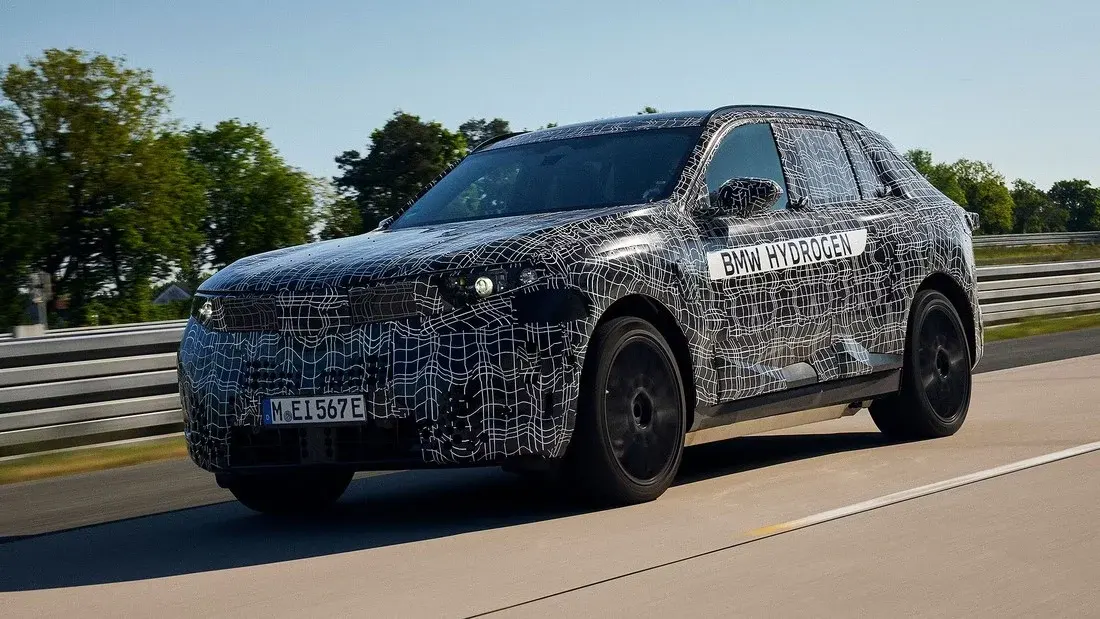
Production kicks off in August at Spartanburg, South Carolina, where the X5 has been built for three decades. The 40 xDrive and 40d xDrive lead the charge, followed before year-end by the 50e xDrive plug-in hybrid and the M60e. If BMW moves to sixth-generation cylindrical battery cells, the PHEV variant could push well past the already-impressive 110 km WLTP electric range of the current xDrive50e. The full-electric iX5, in M60e and M70 xDrive flavors, is expected by late 2027. The X5 M with its V8 hybrid powertrain? That’s a 2028 story.
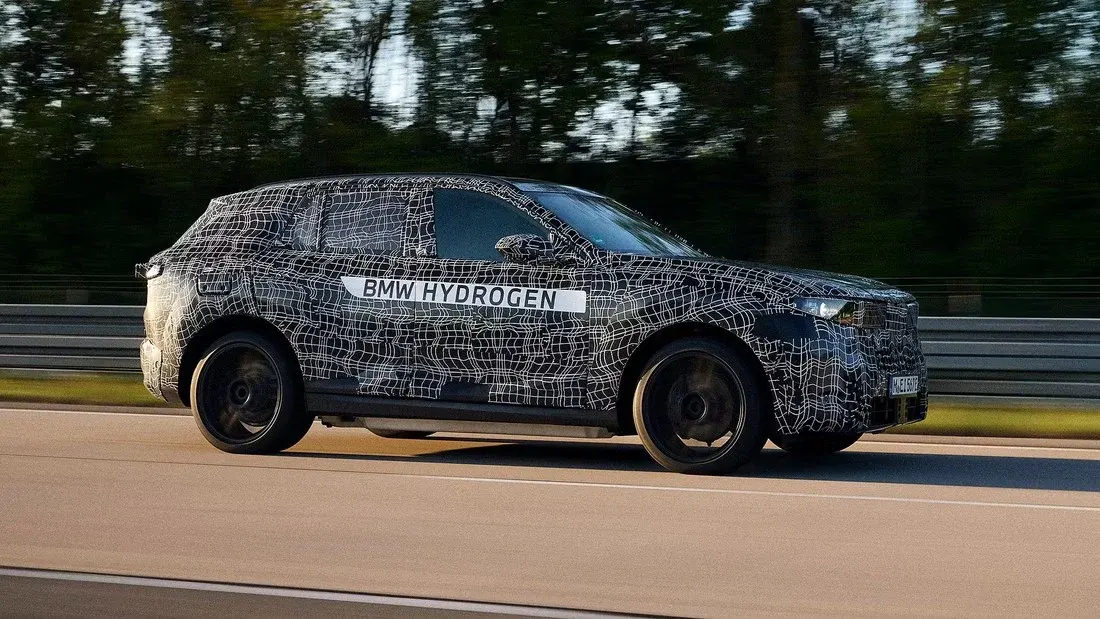
And then there’s hydrogen. The iX5 60H xDrive, developed in partnership with Toyota as part of a third-generation fuel cell program, won’t arrive before 2028 either, and with refueling infrastructure still largely confined to Germany and Japan, expect a very selective geographic rollout. It’s a serious technological commitment wrapped in a timeline that requires patience bordering on optimism.
The wildcard nobody’s officially talking about is the range extender. BMW hasn’t confirmed a REX variant, and internally the green light apparently hasn’t been given. But the market logic is hard to ignore. Extended-range electric SUVs are winning in China, Scout and Ram are moving that direction in the US, and on a vehicle that tips the scales past two metric tons, extra range isn’t a luxury feature.
The G65 is the most complex single-model bet BMW has ever placed. Whether it pays off depends on two things: how many of those five powertrains actually find buyers, and how many hydrogen stations exist by 2028.