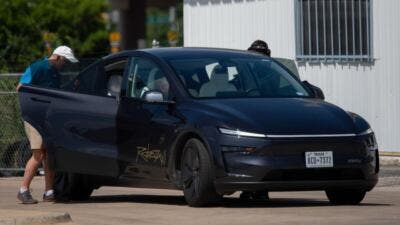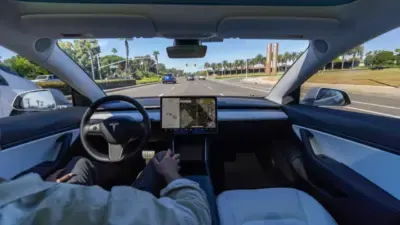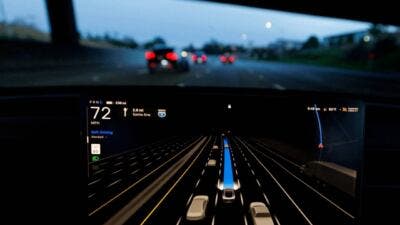
The ultimate irony of modern autonomous driving is that the man currently proving Tesla’s vision-only Full Self-Driving system actually works happens to sell LiDAR equipment for a living. David Moss, a resident of Tacoma, Washington, has spent the better part of eight months turning his Tesla Model 3 into a rolling, high-stakes stress test, culminating in an unbroken, continuous FSD streak exceeding 20,000 miles without a single human intervention.
Moss first turned heads in December 2025 after logging 10,000 consecutive miles on FSD v14.2. Days later, he completed the first verified coast-to-coast autonomous drive in Tesla’s history, covering 2,732 miles from the Tesla Diner in Los Angeles to Myrtle Beach, South Carolina, in under three days with zero disengagements, a feat Tesla celebrated as an official customer story in March. That initial run reached 12,961 miles across 30 states before freezing temperatures and snow in rural Wisconsin forced Moss to take over in January.
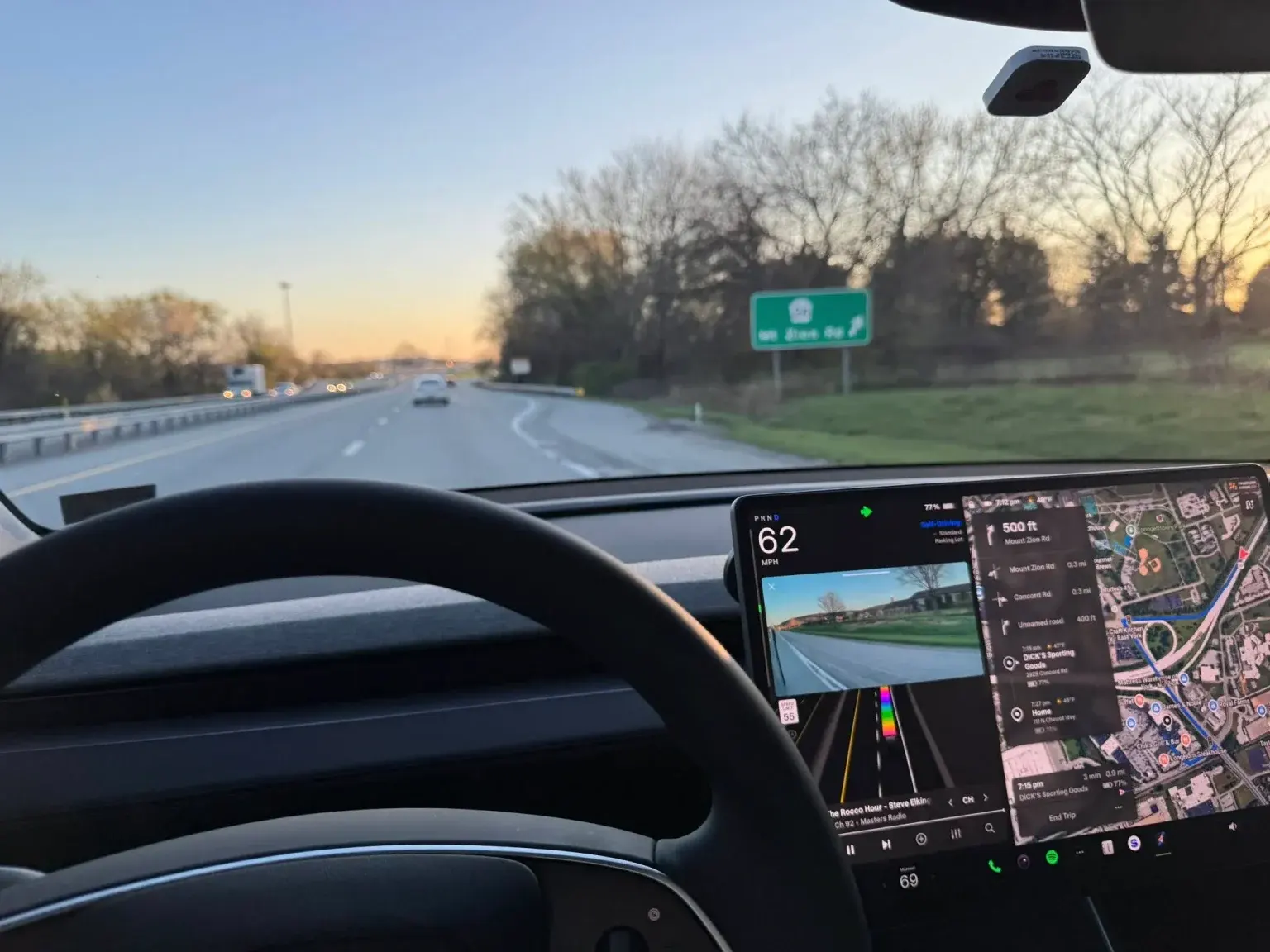
Undeterred, Moss reset the counter and pushed even further. In late May, he completed a 3,760-mile intervention-free trek across Canada with two companions, traveling from Horseshoe Bay in Vancouver to a Halifax Tesla showroom, earning praise on X from Tesla AI Software VP Ashok Elluswamy.
By June, Moss headed south to connect the Canadian and Mexican borders, becoming the first driver to trigger the confetti animation on Tesla’s in-car streak counter after hitting 10,000 miles. From complex city grids and chaotic construction zones to tight Supercharger stalls, he kept going until the counter crossed the 20,000-mile threshold.
Before social media skeptics roll their eyes, every mile of this record-breaking run is backed by hard telemetry. Data is recorded down to a tenth of a mile via the FSD Database, a community tracker built by Tesla influencer Omar Qazi (@WholeMars on X).
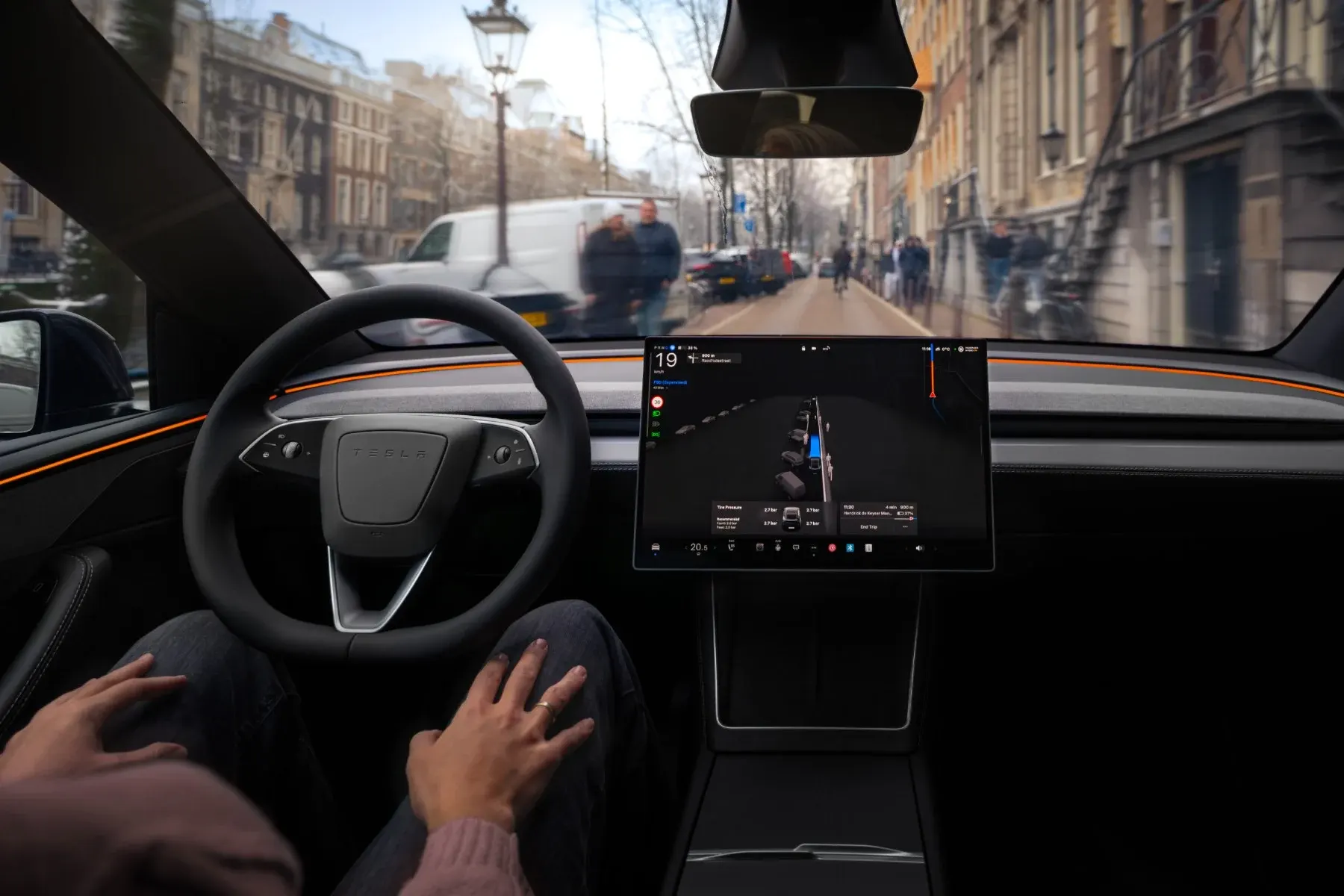
Tesla’s software, updated with a live streak counter in v14.3.4, resets the second a driver touches the brakes, wrenches the wheel, or cancels navigation. Reaching 20,000 continuous miles on a single streak proves that while most human drivers struggle to parallel park without curbing a rim, Tesla’s software is already putting in serious marathon work.